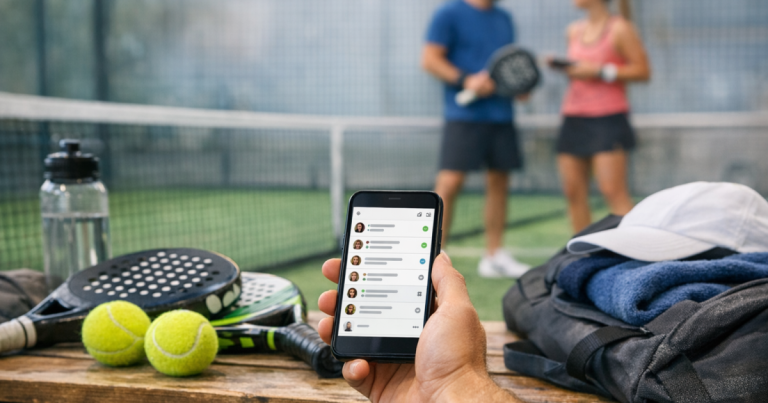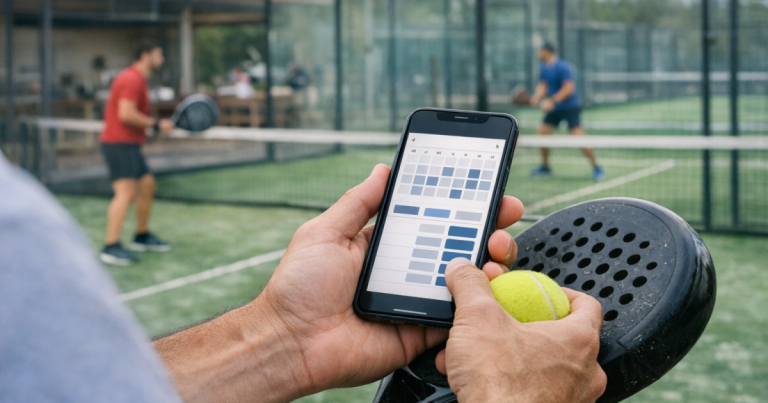
Padel court fees are easy to forget when one person books the slot and everyone else promises to transfer later. This Splitwise review looks at whether the app is a useful way for a regular four to track shared club court costs, balls, guest fees and small match-day expenses without turning every game into an awkward payment chase.
The short answer: Splitwise can work very well for a steady padel group, especially if the same players rotate bookings. It is less useful for one-off games where everyone pays the club directly, and it still relies on players actually settling up outside the app.
The short version
Splitwise is an expense-splitting app. For padel, its main job is simple: one player adds the court booking cost, chooses who played, and Splitwise shows what each person owes. If another player buys balls the next week, that cost can be added too. Over time, the app balances everything so the group can see who is owed money and who needs to pay.
For beginner and early-stage club players, the appeal is not fancy finance management. It is removing friction. If a court costs £32 and four players attend, each player owes £8. If one player pays £32 this week and someone else pays £36 next week, Splitwise helps avoid messy mental arithmetic and scattered messages.
It also supports good habits at a new club. Turning up on time, knowing the booking arrangement and paying your share promptly are part of being an easy person to invite back. If you are still learning the social side of club play, the basics in good padel etiquette at a new club sit neatly alongside clear cost sharing.
How Splitwise fits a padel group
Splitwise works best when your padel group has repeated shared costs rather than a single isolated booking. Think weekly club sessions, box league practice games, mixed friend groups, or a small pool of players where different people book at different times.
A typical setup could look like this:
- Create one group for your padel regulars, such as “Thursday Padel”.
- Add the players who regularly share court costs.
- When someone books, they add the full court fee and split it between the players attending.
- If only three players attend and you pay for a fourth guest or substitute, edit the split so it reflects the real arrangement.
- When players transfer money through their bank, record the settlement in Splitwise so the balance stays accurate.
The key point is that Splitwise is a record and balancing tool. It is not a substitute for the club’s booking system, and you should not assume that adding an expense means anyone has paid you. The group still needs an agreed way to settle, whether that is bank transfer, cash at the club, or another payment method everyone already uses.
Where it works well for court costs
The strongest use case is a regular four where one person often books the court in advance. Without a tracker, that person can end up carrying costs for several sessions and feeling awkward about reminders. Splitwise gives the group a shared view of the balance, which makes payment follow-up less personal.
It is also handy when the split is not always equal. For example, two players might stay for an extra session, or one player might bring a guest for half a booking. You can record who was included in each expense rather than simply dividing everything by the full group every time.
For club box leagues, it can help if your pair books practice courts and alternates who pays. Instead of settling every tiny amount immediately, the app can show the running balance and the group can settle after a few sessions. That suits many casual players because it avoids constant £6, £8 or £9 transfers after every hit.
Useful examples for padel players
Here are a few realistic ways a beginner-friendly padel group might use Splitwise.
Example 1: one court, four players
One player books a court for £32. They add an expense for £32, split equally between four players, and each player’s share is £8. If the booker is included in the split, Splitwise shows the other three players owe them £8 each.
Example 2: court fee plus balls
The court costs £32 and another player buys a tube of balls for the group. The court fee and ball cost can be entered as separate expenses. That is cleaner than hiding everything inside one total, because the group can see what each cost relates to.
If you are building a small match-day routine, this pairs well with having a few basics ready in your bag. The checklist in a simple match-day padel accessories kit is a useful next step if your group is moving from occasional games into regular club play.
Example 3: substitute player joins late
Three regular players have a fourth drop out and invite a substitute. If the substitute agrees to pay their share, include them in that session’s split. If the original player covers the space because they cancelled late, record that arrangement instead. The app can track the numbers, but the players still need to agree the rule.
What to agree before using it
Splitwise is only as tidy as the group’s habits. Before relying on it, agree a few simple rules so nobody feels surprised later.
- Who adds the expense: Usually the person who paid for the court should add the booking cost.
- When to add it: Add it soon after booking or straight after the session, not three weeks later.
- How to handle cancellations: Decide whether late cancellations are still charged, especially if the group cannot find a replacement.
- What counts as a shared cost: Court hire is obvious. Balls may be shared if everyone agrees. Personal kit, clothing and drinks usually should not be added.
- How often to settle: Weekly or monthly is easier than leaving balances open indefinitely.
This matters because padel groups are social as much as practical. A clear cost routine keeps the mood friendly and prevents one reliable organiser from becoming the unpaid admin for everyone else.
Pros for club players
- Clear running balances: Everyone can see who owes what, which reduces repeated reminder messages.
- Good for rotating bookers: If different players pay on different weeks, the balance can even out over time.
- Handles small shared extras: Balls, guest fees or occasional shared court add-ons can be recorded separately.
- Useful for regular groups: Weekly sessions, practice groups and box league partners benefit more than one-off games.
- Less awkward chasing: A shared app record feels more neutral than one person repeatedly asking in a group chat.
Limitations to be aware of
- It does not book courts: You still need to use your club’s booking method and pay the club as required.
- It does not guarantee payment: Players still need to settle balances separately and mark them as paid.
- It needs group discipline: If people forget to enter expenses or ignore balances, the app will not solve the underlying problem.
- It may be overkill for one-off games: If everyone pays the club directly at the time of booking, a separate tracker may add unnecessary admin.
- App features can change: Splitwise has free and paid elements, so check the current app listing for any limits, pricing or feature changes before relying on it heavily.
Is it better than a group chat?
A WhatsApp or text thread can be enough for occasional games: “Court was £32, please send £8” is clear and quick. The problem comes when several bookings overlap, different people pay on different weeks, or two players settle while two forget. Then the chat becomes a messy archive of reminders, screenshots and half-resolved payments.
Splitwise is better when you want a shared ledger rather than a message trail. It is not necessarily faster for a single court booking, but it is tidier across a month of games. For many beginner groups, that is the point where it becomes worthwhile: not the first hit, but the moment padel becomes a regular fixture.
Who it suits
Splitwise suits regular club players who share costs with the same small group. It is especially useful if one person tends to organise bookings, because it gives that organiser a simple way to log costs without becoming the group’s accountant.
It may not suit players who only join open sessions, pay-and-play events or club-organised mix-ins where the club collects payment from each player directly. In those cases, your cost sharing is already handled at source.
It also works best with players who are comfortable using an app and checking balances. If half the group never opens it, a simple group message and immediate bank transfer may be more effective.
Alternatives for sharing padel costs
Splitwise is not the only sensible option. The best method depends on how regular your group is and how much admin you want.
- Club direct payment: Best when each player can pay their own share through the club’s system.
- Group chat reminder: Fine for occasional games where one person pays and everyone transfers immediately.
- Shared spreadsheet: Useful for players who dislike extra apps, but it can feel clunky on a phone at the club.
- One organiser, fixed rule: One player books and everyone pays the same amount straight after every session. Simple, but it depends on prompt payment.
- Splitwise: Best when costs rotate, balances build up, or the group wants a neutral running record.
If you are also trying to keep your overall padel spending sensible, it helps to separate court costs from kit costs. The advice on how much beginners should spend on starter padel gear can help you avoid mixing essential playing expenses with nice-to-have purchases.
Questions people ask
Can Splitwise collect the money for a padel court?
Treat it mainly as a tracking tool. Depending on region and current app options, payment links or integrations may vary, so the safest assumption is that players will settle separately and then record it.
Should every player in the group use it?
Ideally, yes. It works best when everyone can see the same balance. If only the organiser uses it, it becomes a private record rather than a shared agreement.
What should we do about late cancellations?
Agree the rule before it happens. Many groups charge the player who cancels late if the space cannot be filled, but the important part is that everyone understands the rule in advance.
Can we add balls and other shared extras?
Yes, if the group agrees they are shared costs. Keep personal items out of the group balance so the app stays focused on court-related expenses.
Is Splitwise worth using for beginners?
Yes, if you are starting to play regularly with the same people. For a one-off taster session, a quick payment request is usually simpler.
Main points
Splitwise is a useful, low-fuss way to share padel club court costs when your group plays regularly and costs rotate between players. It is strongest as a shared record: who paid, who played, what was owed and what has been settled.
Its limits are just as important. It does not book the court, it does not replace your club’s payment system, and it cannot fix a group that has not agreed basic payment rules. Set expectations early, record costs promptly and keep the expenses limited to genuine shared padel costs.
For a regular four, a box league pair or a small group of club friends, the verdict is positive: Splitwise can make padel admin calmer, fairer and less awkward, which leaves everyone with more energy for the game itself.