Getting dressed for your first padel club night is less about looking like a tour player and more about staying comfortable, moving freely, and fitting into the rhythm of social games. Most UK club nights are relaxed, so a tidy sports outfit, suitable court shoes, and one or two small extras are usually enough.
The aim is simple: wear kit that lets you lunge, turn, serve, and recover without needing to adjust your clothes between every point. If you can move freely and feel presentable walking into the club, you are already in the right range.
What to know first
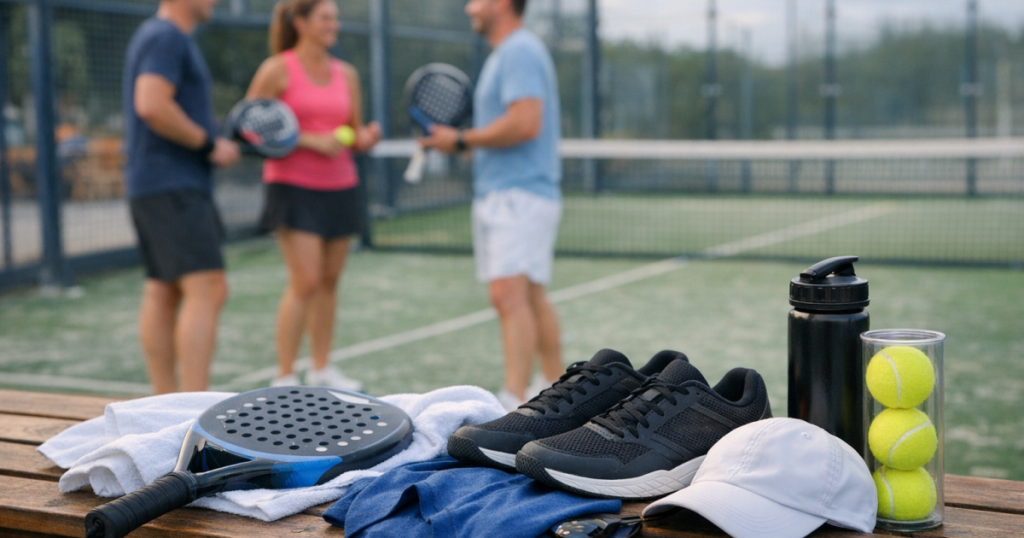
- Wear proper court shoes if you can. Padel involves quick stops and side-to-side movement, so running trainers are not ideal on many courts.
- Choose breathable sports clothing. A gym top and shorts, skort, leggings, or tracksuit bottoms are all normal choices.
- Add a light layer. UK clubs can feel cool before you start and warm once games get going.
- Bring a small towel or spare top. It helps if the session is busy, warm, or indoors.
- Avoid anything loose, slippery, or restrictive. You should not be fighting your outfit while trying to learn the game.
Start with shoes, not the outfit
If you only upgrade one part of your kit for club play, make it your footwear. Padel courts reward grip, stability, and confidence in short movements. You will be turning, checking your stride, pushing off sideways, and moving backwards towards the glass, often with very little warning.
Padel shoes or tennis shoes designed for court movement are usually a better choice than standard running trainers. Running shoes are built mainly for forward movement, and some have soft, raised soles that can feel unstable when you change direction. They may also wear quickly on artificial turf or offer the wrong amount of grip.
Before you go, check whether the club has any shoe rules. Some venues ask for non-marking soles, and some indoor or covered courts can feel slightly different underfoot from outdoor courts. If you are weighing up whether dedicated padel footwear is worth it, the Wilson Bela Pro Padel Shoes review gives a useful example of the kind of stability features beginners often notice once rallies get quicker.
Pick clothing that lets you move naturally
You do not need a full padel outfit. Most beginners turn up in normal sportswear: a breathable T-shirt or training top, shorts or leggings, and a light layer for before and after games. The main test is whether you can move through a split step, side step, lunge, and overhead reach without the clothing pulling, riding up, or feeling heavy.
Tops
A lightweight sports T-shirt, polo, or long-sleeve training top works well. Cotton is fine for a gentle first session, but it can hold sweat and feel heavy if the evening gets intense. A technical gym top usually feels more comfortable because it dries faster and moves better.
If you prefer a looser fit, choose something that still sits securely when you bend or reach. Very baggy tops can catch on your arm during volleys or feel awkward when you rotate through a bandeja or smash.
Bottoms
Shorts, skorts, leggings, and slim tracksuit bottoms are all common. The best choice is the one you can move in without thinking. Padel has plenty of low balls and quick recovery steps, so avoid anything that restricts your hips or knees.
If you like having a ball on you between points, pockets are useful. They are not essential at a social club night, because balls are often shared and kept near the net or back glass, but pockets make things smoother when you are serving or helping keep the game moving.
Sports bras and support layers
If you wear a sports bra, choose the support level you would use for a high-movement gym class or racket sport. Padel is not continuous running, but the repeated stops, turns, and reaches can be more demanding than expected. Comfort matters more than brand or style.
Layer for the club, not just the court
Padel club nights often involve short waits between games, swapping partners, or watching another pair finish. That means you may be warm during rallies and cool again five minutes later, especially at outdoor or semi-covered UK venues.
A zip hoodie, lightweight tracksuit top, or thin training jacket is handy. Choose something easy to take off quickly, rather than a bulky layer you have to wrestle with. In colder months, arrive warm but avoid starting the first game in heavy clothing that limits your shoulders.
If rain is possible and the venue has outdoor courts, bring a waterproof layer for travelling to and from the court. You may not play in it, but it keeps your warm-up clothes dry and makes the evening more comfortable.
Small extras that make a big difference
You can keep accessories simple. A first club night is not the time to bring half a sports shop, but a few small items can prevent common distractions.
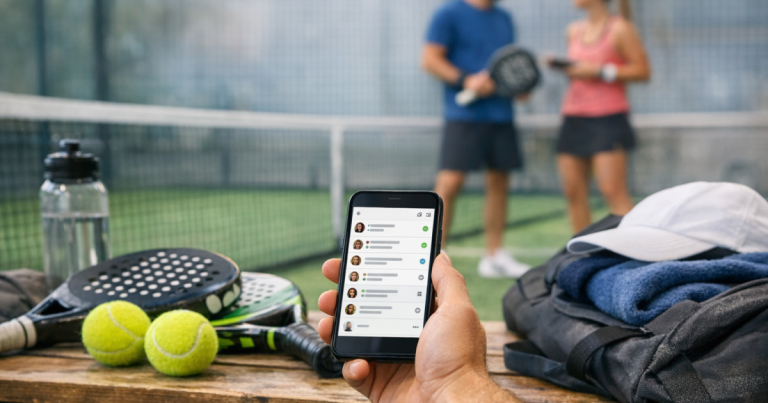
- Water bottle: Bring enough to last the session, especially if you are playing indoors or after work.
- Small towel: Useful for hands, face, and racket handle between games.
- Spare top: Handy if you sweat heavily or are staying for a drink afterwards.
- Hair tie or headband: Anything that keeps hair out of your eyes during volleys is worth bringing.
- Cap or visor: Useful on bright outdoor courts, particularly when lobbing or serving into low sun.
- Grip-friendly extras: A wristband or fresh overgrip can help if your hands get sweaty.
If sweaty hands are already a problem in training or match play, read the guide on how to stop your padel racket slipping before you start changing your whole setup. Sometimes a simple overgrip or towel habit is enough.
What not to wear
Most clubs are welcoming, so this is not about strict fashion rules. It is about avoiding clothing that makes the evening harder than it needs to be.
- Jeans or chinos: They restrict movement and can feel uncomfortable once you start sweating.
- Fashion trainers with smooth soles: They may slip or leave you feeling unsteady on court.
- Very loose jewellery: Dangly bracelets, watches, or necklaces can distract you or get in the way.
- Heavy hoodies during play: Fine for arrival, but usually too bulky for serving and overhead shots.
- New shoes straight out of the box: Wear them around a little first so you know they do not rub.
- Clothes you constantly adjust: If you are pulling, tucking, or fixing something after every point, choose something simpler.
Easy outfit examples
If you are still unsure, use one of these simple combinations. None of them needs to look flashy; they just need to work on court.
Simple gym-style option
Wear a breathable sports T-shirt, lightweight shorts or leggings, court trainers, and a zip layer for warm-up. This is the easiest route if you already go to the gym or play another racket sport.
Cool-weather option
Try a long-sleeve training top, slim tracksuit bottoms or leggings, padel or tennis shoes, and a light jacket you can remove after the warm-up. Add a hat only for travel or waiting, not if it affects your vision on court.
After-work option
If you are going straight from work, pack court shoes, sports socks, a top, bottoms, and a small towel. Change before the session if possible so you are not rushing onto court in stiff or uncomfortable clothing.
Club night etiquette your clothing can help with
Good clothing choices also make you easier to play with. If you can move safely, serve without delay, and keep a spare ball in your pocket when needed, games flow better. That matters at social sessions where partners rotate and the organiser is trying to keep everyone involved.
Try to arrive already changed or with enough time to change calmly. Avoid leaving bags, coats, or water bottles where players might step on them. Keep valuables off the playing area, and place your layer somewhere tidy between games.
It also helps to understand the standard of the games you are joining. A beginner-friendly session should feel welcoming, but club nights can still have mixed abilities. If you are unsure where you fit, the guide to padel player levels can help you choose games that match your confidence and experience.
Things readers ask
Do I need padel-specific clothing?
No. Padel-specific clothing can be comfortable, but it is not required for a first padel club night. Normal sportswear is fine as long as it lets you move freely and suits the venue conditions.
Can I wear running trainers?
You can wear them for a very casual first try if the club allows it, but they are not ideal for regular club play. Court shoes usually give better side-to-side support and more suitable grip for padel movement.
Should I wear shorts or leggings?
Either is fine. Choose the option that feels secure when you bend, lunge, and reach overhead. Pockets are useful but not essential, especially if balls are being shared by the group.
What should I bring if I sweat a lot?
Bring a towel, a spare top, and enough water. A wristband can help keep sweat away from your hand, and a fresh overgrip can make the racket feel more secure.
Is there a dress code at padel clubs?
Most UK padel clubs are relaxed, but some venues have rules about footwear or non-marking soles. Check the booking information or ask the organiser if you are unsure before you arrive.
Final thoughts
The best outfit is the one that helps you relax and play. Start with court-friendly shoes, add breathable clothing you can move in, and bring a layer for the stop-start rhythm of a social evening. You do not need to look experienced; you just need to feel comfortable enough to join in, learn the flow, and enjoy the games.