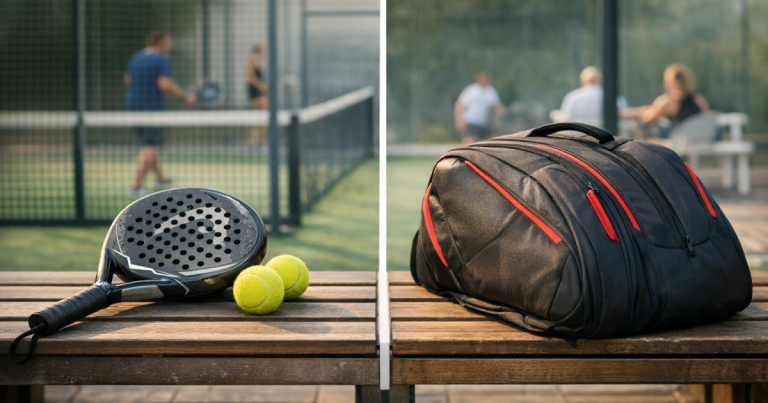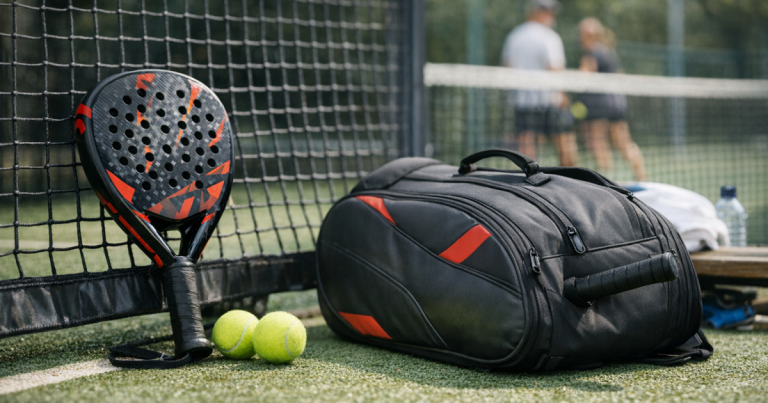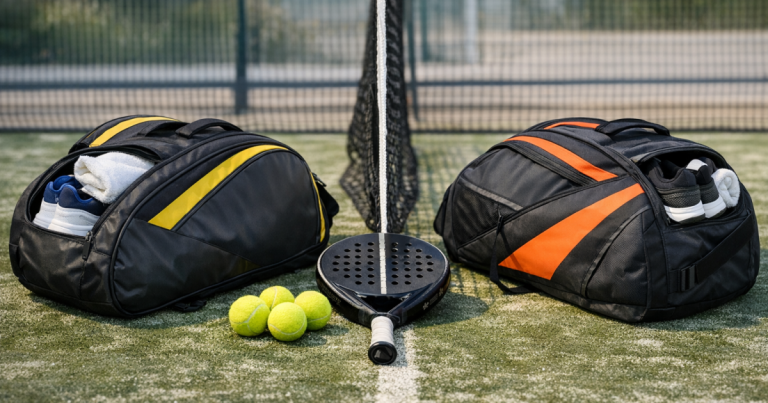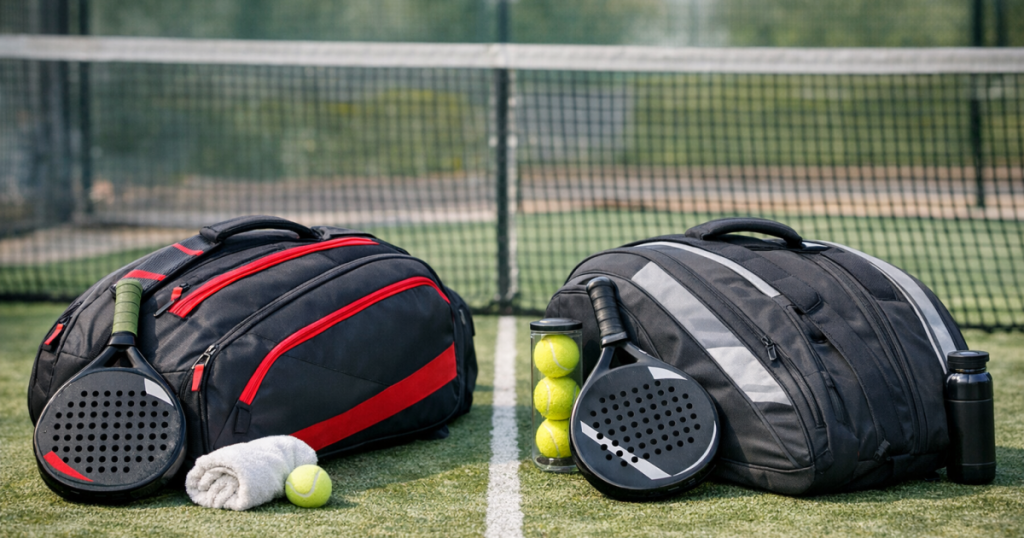
A Bullpadel vs Head bag choice is really about how you travel, how much kit you carry, and how neatly you want to keep rackets, shoes, balls and clothing separated. Both brands make recognisable padel bags, but beginners often need different things from experienced tournament players: easy access, sensible protection, comfortable straps and enough space without turning every club night into a luggage exercise.
For most early-stage UK club players, Head is the safer everyday pick if you want a straightforward racket bag that feels familiar, versatile and easy to live with. Bullpadel is often the more padel-specific choice if you like larger, structured bags with a strong tour-player look and dedicated space for shoes, clothing and accessories. The better buy depends less on the logo and more on your real routine.
The big picture
Bullpadel and Head both sit in the serious padel gear conversation, but their bags tend to appeal to slightly different buyers. Bullpadel is closely associated with padel-first kit, including bold tour-style bags that pair naturally with rackets such as the Bullpadel Hack and Vertex ranges. Head has a broader racket-sport background, so many of its racket bags feel familiar if you have come from tennis, squash or badminton.
That difference matters for beginners because your first bag should remove friction, not add it. If you are still working out whether you play once a fortnight or twice a week, you probably do not need the largest bag in the club. If you are already booking evening matches after work, bringing shoes, a towel, balls, an overgrip and a change of top, a more structured padel bag starts to make sense.
Also think about the way you get to the court. Driving to a club with a decent car park is different from taking a train, walking through wet weather, or squeezing your kit into a locker. If you are still getting comfortable with the club routine, our guide on how to book a padel court at a UK club is a useful next step alongside choosing your gear.
Shortlist by player type
- Choose a Bullpadel padel bag if you want a padel-focused, tour-style layout with room for shoes, clothing and extras, and you do not mind a slightly bulkier carry.
- Choose a Head padel racket bag if you want a cleaner, more versatile bag that is easy to use for club sessions, lessons and mixed racket-sport use.
- Choose a smaller Head option if you mostly carry one racket, balls and a water bottle, and you travel by public transport or walk to the club.
- Choose a larger Bullpadel option if you regularly play after work and need to separate used kit from clean clothing.
- Avoid buying purely on pro-player styling if the bag will be awkward in your hallway, car boot, gym locker or train commute.
How Bullpadel padel bags compare
Bullpadel bags often feel designed around the full padel session: racket storage, footwear, clothing, accessories and the bits that gather once you start playing regularly. A model such as the Bullpadel Hack Bag is the kind of recognisable option many players look at when they want a bag that matches a padel-first setup. Before buying, check the current version’s compartment layout, dimensions and strap design because seasonal updates can change the details.
The main attraction is organisation. Bigger Bullpadel bags can make it easier to keep a racket away from damp kit, stash shoes separately, and avoid loose overgrips or ball tubes rolling around the main compartment. That sounds minor until you are rushing from work to a 7 pm booking and want your kit to be where you expect it.
The trade-off is size. A bigger, more structured bag is not automatically better for a beginner. It may feel impressive at first, but it can be awkward on busy public transport, in smaller changing areas, or when you only carry one racket and a tube of balls. If you play at clubs with limited storage, a very large bag can become something you have to manage between every change of ends rather than something that simply supports your session.
Where Bullpadel tends to shine
- Dedicated padel feel, with designs that look at home around club and competition players.
- Good choice for players who carry shoes, spare clothing, grips, balls and a towel.
- Structured layouts that can help keep kit organised rather than bundled together.
- Strong match for players who already use Bullpadel rackets or like the brand’s visual style.
Potential drawbacks with Bullpadel
- Larger models may be more bag than a casual beginner needs.
- Tour-style shapes can feel bulky for commuting or walking to indoor centres.
- Bold styling may not suit players who prefer understated everyday gear.
- You need to check each model carefully because compartment counts and layouts vary.
How Head padel racket bags compare
Head bags are often a comfortable middle ground for beginners because they tend to feel familiar: racket compartments, central storage, accessory pockets and backpack-style carrying options on many models. A bag such as the HEAD Pro Padel Bag L is worth comparing if you want a padel-ready bag without going straight to the most imposing tour-style option.
The main benefit is everyday usability. Head’s broader racket-sport heritage can be an advantage if you want one bag for padel plus occasional tennis or gym use. The styling is often easier to live with off court, and some players find Head bags less visually loud than the most aggressive padel-specific designs.
That said, not every Head racket bag is equally padel-friendly. Some bags are built more generally around racket sports, so check whether the racket compartment suits padel racket shapes, whether there is a separate shoe area, and whether the bag stays comfortable when loaded. Do not assume that a large racket bag is automatically the right padel bag.
Where Head tends to shine
- Good all-round choice for lessons, social games and regular club sessions.
- Often easier to use as a general sports bag if you play more than one racket sport.
- Usually a safe choice for players who want practical rather than very bold styling.
- Plenty of recognisable options across compact and larger formats.
Potential drawbacks with Head
- Some models may feel less padel-specific than Bullpadel alternatives.
- You should verify shoe storage and racket fit rather than relying on the brand name alone.
- Players who love tour-style padel branding may find some Head bags too understated.
- The right Head bag depends heavily on the exact model, not just the range name.
Side-by-side buying comparison
- Padel-specific layout: Bullpadel usually has the edge if you want a bag that feels built around padel culture and a full club-session loadout.
- Everyday versatility: Head is often easier to recommend if you want one bag for padel, general sport and simple weekly use.
- Beginner friendliness: Head may suit first-time buyers who want less bulk, while Bullpadel suits beginners who already know they will play regularly.
- Storage capacity: Larger Bullpadel models can be appealing for shoes and clothing, but compact Head options may be neater for one-racket players.
- Commuting: Head often feels like the simpler choice for trains, buses and walking, although compact Bullpadel models can still work well.
- Style: Bullpadel leans padel-tour and energetic; Head often feels cleaner and more multi-sport.
- Racket protection: Both brands can protect rackets well, but check padding, compartment shape and how tightly your racket sits inside the actual model.
- Value: Compare current UK prices in £ against the features you will genuinely use, not against the biggest discount or largest stated capacity.
What to check before you buy
Start with your real kit list. A beginner who carries one racket, a tube of balls, keys and a drink bottle does not need the same bag as someone heading straight from work with shoes, a hoodie, a towel and a spare top. If your bag is too large, you may end up carrying dead space. If it is too small, wet shoes and clean clothing end up together.
Shoe storage is one of the biggest dividers. If you already use padel-specific footwear or are planning to, a separate shoe pocket quickly becomes useful. It keeps grit and moisture away from clothing and racket grips. If you are weighing up footwear as well, the Nox AT10 Lux padel shoes review gives a beginner-friendly view of what a first club pair needs to do.
Next, look at racket access. You want to get your racket in and out without forcing the zip or pressing the frame awkwardly. Padel rackets are not shaped like tennis rackets, so a bag that looks spacious online can still feel clumsy if the compartment shape is not right. If your racket has a frame protector fitted, allow a little extra room around the edge rather than choosing the tightest possible compartment.
Comfort is easy to underestimate. Try to judge the straps, back padding and handle positions from clear product photos or in-store testing where possible. A bag that feels fine empty can pull awkwardly when loaded with shoes, balls and water. If you walk more than a few minutes to the club, backpack straps are usually more practical than a single shoulder strap.
Finally, check fabric finish, zips and base structure. UK club play often means damp pavements, cold evenings and busy changing areas. You do not need to chase premium materials for the sake of it, but you do want a bag that can handle being placed on a bench, court-side floor or car boot without feeling flimsy.
Examples worth comparing
If you are comparing real products, keep the shortlist tight. Looking at too many similar bags makes the decision harder, not easier. Start with one Bullpadel option and one Head option in a similar size class, then only add a third if you genuinely need a compact or larger alternative.
- Bullpadel Hack Bag: a natural option to consider if you like a padel-first look and want space for a fuller club setup. Verify the current model’s exact compartments and size before buying.
- HEAD Pro Padel Bag L: a sensible comparison point if you want a recognisable padel bag from a major racket brand with everyday usability in mind.
- Bullpadel Vertex Bag: worth comparing if you prefer Bullpadel styling but want to see how another prominent Bullpadel line handles storage and carrying comfort.
- HEAD Tour Racquet Bag: useful as a broader racket-sport comparison, particularly if you also play tennis and want one bag across sports.
Do not assume the newest or largest version is automatically right. Product names can stay similar while details change, so check retailer photos, dimensions, pocket layout and returns terms before committing. For affiliate-style buying, the safest approach is to match the bag to your weekly routine rather than to a single feature claim.
Which is better for a beginner?
For a first padel bag, Head is often the easier recommendation for players who are still building a routine. It gives you a recognisable racket-bag format, usually enough space for one or two rackets and the essentials, and a style that does not feel out of place away from the court. If you are playing lessons, casual matches and the odd box league game, that simplicity is valuable.
Bullpadel becomes more tempting once you know you are committed to regular play. If you have bought proper shoes, keep spare grips in your bag, carry used kit home after evening games and want your setup to feel padel-specific, Bullpadel’s larger and more structured options make sense. They can feel like a small upgrade to the whole club routine, not just a storage purchase.
The main mistake is buying for the player you imagine becoming rather than the player you are this month. A big bag will not make you more organised if you only carry three items. A small bag will annoy you if you are already bringing half your sports cupboard to every session. Be honest about your transport, your changing facilities and how often you play.
What stands out
If you want a clean, practical, low-fuss first racket bag, choose Head. It is the safer fit for many beginners, commuters and occasional club players because it balances storage with everyday usability. If you want a padel-focused bag with stronger tour styling and room for a fuller kit setup, choose Bullpadel. It is the better match for players who already know they will be at the club regularly and want proper separation for shoes, clothing and accessories.
Before buying either, check four things: whether your racket fits comfortably, whether you need a shoe compartment, whether the straps suit your journey, and whether the bag will be practical in your usual club environment. If those boxes are ticked, both brands can be a good choice. The best bag is the one that makes it easier to turn up prepared, play your session, and get home without your kit becoming a muddle.
Quick Buying Links
Bullpadel Padel Bag
Shortlist by player type Choose a Bullpadel padel bag if you want a padel-focused, tour-style layout with room for shoes, clothing and extras, and you do not mind a slightly bulkier carry.
Head Padel Racket Bag
Choose a Head padel racket bag if you want a cleaner, more versatile bag that is easy to use for club sessions, lessons and mixed racket-sport use.
Common questions
Do I need a dedicated padel bag as a beginner?
Not always. If you only carry one racket and a tube of balls, a simple racket bag may be enough. A dedicated padel bag becomes more useful once you add shoes, spare clothing, grips and accessories.
Is a Bullpadel bag too big for weekly club games?
Some larger Bullpadel bags can be more than a beginner needs, but they make sense if you regularly carry shoes and a change of clothes. For lighter sessions, choose a smaller model rather than defaulting to the biggest option.
Will a Head racket bag fit a padel racket properly?
Many Head padel bags are designed for padel rackets, but do not assume every racket-sport bag is ideal. Check the product description and compartment shape before buying.
Should I protect my racket inside the bag as well?
Yes, especially if the bag is shared with shoes, bottles or accessories. A frame protector can help with everyday knocks; our guide to fitting padel racket protector tape neatly explains the simple setup.
Is it worth paying more for extra compartments?
Only if you will use them. Separate spaces for shoes, damp kit and accessories are helpful for regular players, but unused compartments just add bulk and cost.