Fast shoes can feel brilliant on a padel court, but only if they still give you enough grip and support when rallies get messy. This Babolat Jet Premura 2 review looks at whether the shoe makes sense for newer UK players moving from occasional games into regular club sessions.
The short answer: it can be worth it if you already play often, like a light and quick feel, and know your feet get on with a closer court-shoe fit. If you are still trying padel for the first few times, it is probably more shoe than you need straight away.
What to know first
- Best reason to consider it: you want a padel-specific shoe built around quick starts, stops and changes of direction.
- Main hesitation: beginners may not yet know whether they prefer a snug, agile shoe or a more cushioned, forgiving feel.
- Most important check: fit matters more than the logo. Heel hold, toe room and midfoot comfort should decide whether it works for you.
- Good fit for: players who are starting to play weekly, move actively at the net and want something more court-ready than running trainers.
- Less obvious fit for: casual players who only book the occasional social game or anyone who prioritises maximum softness over court feel.
What the Jet Premura 2 is trying to do
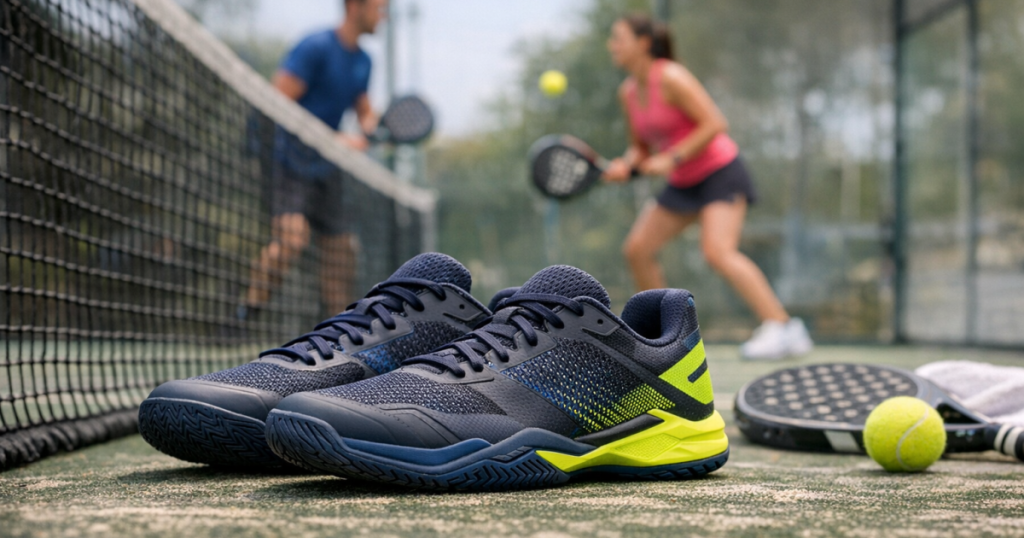
The Babolat Jet Premura 2 sits in the performance padel-shoe space rather than the basic starter-shoe space. That matters because its appeal is not just that it is a branded court shoe; it is aimed at players who want to move quickly, recover balance after wide balls, and feel secure during short, sharp padel footwork.
Padel movement is different from gym training or road running. You split-step, shuffle, brake, pivot, turn out of the corners and push forward to volley. A shoe that feels excellent in a straight line is not automatically right for padel, because lateral grip and stability become much more important once rallies speed up.
Babolat product listings commonly highlight padel-specific outsole design and lightweight court movement as key selling points. Before buying any colourway or version, check the current UK retailer listing for the exact materials, sole description and fit guidance, because product pages can vary and stock photos do not always tell the full story.
Step 1: decide whether you need a padel-specific shoe yet
If you are booking your first session, you do not need to rush into premium footwear before you know whether you enjoy the sport. Clean tennis or court shoes can be enough to start, provided the venue allows them and they grip safely on the surface. Running shoes are less ideal because they are usually designed for forward motion, not repeated sideways stops.
The Jet Premura 2 starts to make more sense when padel becomes a weekly habit. At that point, you notice small things: slipping as you push off, feeling unstable when changing direction, or wearing down unsuitable soles too quickly. Shoes become less about looking the part and more about trusting your feet during points.
Your usual venue also matters. Some players start indoors because the conditions feel more controlled, while others learn outdoors where damp weather and surface wear can change the feel underfoot. If you are unsure which environment suits your first few games, the guide to indoor versus outdoor padel is a useful next read before you overthink shoes.
Step 2: check fit before judging performance
A performance padel shoe only works if it fits your foot shape. Do not assume your usual trainer size will automatically feel right. Try it with the socks you normally play in, lace both shoes fully, and walk, lunge and side-step before making a decision.
Use these fit checks
- Heel hold: your heel should feel secure when you push off, without rubbing immediately.
- Toe room: your toes should not hit the front when you brake, but the shoe should not feel sloppy.
- Midfoot pressure: a locked-in feel is useful; sharp pressure across the top of the foot is not.
- Width: if your foot spills over the platform or the upper feels strained, it is unlikely to improve enough with play.
- First-session comfort: some court shoes soften slightly, but they should not feel painful from the start.
For beginners, the biggest mistake is choosing the shoe that feels fastest for 30 seconds in a shop but becomes tiring over 90 minutes. Padel sessions often involve lots of short movements rather than long sprints, so comfort under repeated direction changes is the real test.
Step 3: think about grip on your usual courts
Grip is where padel-specific shoes can earn their place. Too little grip and you slide when trying to push forward. Too much grip and your foot can feel stuck during pivots. The right balance depends on the court surface, how much sand is present, your movement style and how clean the outsole is.
When trying the Jet Premura 2, pay attention to controlled braking rather than just straight-line speed. Can you stop before the glass without feeling unstable? Can you recover after reaching for a low ball? Can you turn for a bandeja or reset at the net without fighting the shoe?
Also remember that outsole condition matters. Small stones, compacted sand and general court debris can affect how any shoe grips. Keeping the sole clean and checking wear regularly is boring advice, but it helps you judge the shoe fairly rather than blaming the model for a maintenance issue.
Step 4: judge comfort over a whole session
The Jet Premura 2 is likely to appeal to players who enjoy a responsive, quick feel. That can be great for club play, especially if you are learning to move as a pair, close the net and recover after lobs. But newer players who land heavily or prefer a plush feel may want to compare it with a more cushioned court shoe before committing.
Warm-up also changes how shoes feel. Cold, stiff movement can make any shoe seem harsher than it really is, while a simple mobility and movement routine helps you assess comfort more fairly. If you are not sure what to do before a social game, use this padel warm-up routine before judging support, grip or agility.
Where it earns its keep
- Regular club sessions: if you play once or twice a week, a dedicated padel shoe is easier to justify than if you play once a month.
- Quick net movement: players who like to press forward and react quickly may appreciate a lighter, more direct feel.
- Better court confidence: the main benefit is knowing the shoe is made for court movement rather than borrowing from running or gym use.
- Developing footwork: beginners who are working on split-steps, recovery steps and positioning may notice footwear more as their movement improves.
Where beginners may hesitate
- Cost versus usage: if you are not yet playing regularly, spending more on shoes may not change your enjoyment much.
- Fit sensitivity: a performance fit can feel excellent for some feet and too close for others.
- Cushioning preference: not every beginner wants a fast-feeling shoe; some want more softness and reassurance underfoot.
- Skill level mismatch: premium shoes will not fix late preparation, poor positioning or rushing the ball. Coaching and regular play still matter more.
Alternatives worth knowing
If you like the idea of a padel-specific shoe but are not sure the Babolat feel is right, compare it with other recognised court options rather than with running trainers. The Head Sprint Pro 3.0 Padel Shoes review is useful if you want another performance-style reference point for club play.
For a more budget-conscious or straightforward court-shoe route, the Asics Gel-Padel Pro 3 is another real padel shoe that beginners may come across. As with any model, check current sizing notes, outsole suitability and return terms before deciding, because comfort is personal and retailer information can change.
Questions people ask
Is the Babolat Jet Premura 2 too advanced for beginners?
Not too advanced, but possibly more serious than a first-timer needs. It makes most sense once you know you enjoy padel and are starting to play often enough for footwear to affect comfort and confidence.
Can I use normal trainers instead?
For a first taster session, some venues may allow clean trainers, but running shoes are not ideal for repeated sideways movement. Once you play regularly, a court shoe or padel shoe is the better direction.
Should padel shoes feel tight?
They should feel secure, not painfully tight. Your heel and midfoot need control, but your toes still need enough room for braking and quick changes of direction.
How long will they last?
That depends on how often you play, the court surface, your movement style and how heavily you drag your feet. Inspect the outsole, upper and heel lining regularly rather than relying on a fixed timescale.
So, is it worth it?
The Babolat Jet Premura 2 is worth considering if you are no longer just trying padel, but actually building it into your week. It is most convincing for players who want a quick, padel-specific shoe and are happy to prioritise court feel, grip and agility over a soft, casual-trainer sensation.
If you are still at the stage of borrowing rackets, playing occasional socials and working out whether padel is for you, wait until your habits are clearer. Spend time on footwork, positioning and match confidence first. When your sessions become regular, a shoe like this can be a sensible upgrade, provided the fit works for your feet and your usual courts.