Club nights are easier when you arrive with a fresh tube rather than hoping the coach has spares. This Babolat Padel Balls review looks at whether they make sense for newer players who want a dependable ball for drills, friendly games and early club matches without overthinking the purchase.
The quick verdict: Babolat Padel Balls are a sensible, low-fuss option if you want a recognisable padel-specific ball from an established racket sports brand. They are not the most exciting bit of kit in your bag, but that is partly the point: a good ball should help the session feel consistent rather than distract you.
The big picture
For beginners, the best padel ball is usually the one that gives you repeatable practice. You want something that behaves predictably off the glass, does not feel wildly different from the balls used at your local club, and is easy to replace when a tube has lost its liveliness.
Babolat sits in that familiar space: a mainstream racket sports brand with a strong presence in tennis and padel. That matters because new players do not always need niche match balls or the fastest option on the shelf. They need a ball that supports better timing, cleaner contact and more useful rallies.
If you are still building the habit of playing regularly, pair this sort of purchase with a simple plan for getting on court. Our guide to starting padel as a complete newcomer covers the early steps around booking, kit and confidence.
Product overview
Babolat Padel Balls are aimed at padel players rather than being a generic tennis ball substitute. That distinction matters because padel has its own rhythm: shorter swings, more wall play, lower court space and plenty of controlled exchanges at the net.
For early-stage players, the main attraction is straightforward practicality. A tube of padel balls is easy to keep in your bag, useful for warm-ups, and handy when a social game starts with a tired, half-dead ball from the bottom of someone else’s racket bag.
The product is most appealing for club nights, coaching drills and friendly matches where consistency is more important than chasing a highly specific competition feel. Before buying, check the exact packaging, tube quantity and variant shown by the retailer, as brands sometimes sell more than one ball line or pack format under similar naming.
Key specs
- Brand: Babolat.
- Product type: Padel ball.
- Main use: Padel practice, social games, drills and club-level play.
- Player level: Most relevant to beginners, improvers and regular recreational players.
- Pack format: Check the retailer listing before buying, as tube size and multi-pack options can vary.
- Court use: Intended for padel courts; verify the exact product label rather than substituting tennis balls.
- What to check on arrival: Sealed packaging, correct product name, and whether the balls feel fresh when opened.
Pros and cons
Pros
- Beginner-friendly choice: Easy to understand, easy to carry and suitable for common club-night situations.
- Recognisable brand: Babolat is a familiar name in racket sports, which gives newer buyers a simple trust cue.
- Useful for drills: Fresh balls help feeding, volleys, lobs and glass practice feel more repeatable.
- Padel-specific purchase: Better starting point than grabbing any old tennis balls for a padel session.
- Simple bag upgrade: A spare tube is one of the lowest-effort ways to improve the quality of a casual hit.
Cons
- Not a magic fix: A new ball will not solve timing, footwork or poor shot selection.
- Freshness still matters: Like any pressurised racket sport ball, performance depends on condition and storage.
- Variant confusion is possible: Retail listings can look similar, so check you are buying the padel version you expect.
- May not match every club ball: Some clubs standardise around other brands, which can change the feel during league or box matches.
- Ongoing cost: Balls need replacing, especially if you play frequently or practise with lots of feeds.
Performance in real use
Feel and predictability
For beginners, predictable behaviour matters more than extreme speed. You are trying to learn how the ball leaves the racket face, how it comes off the side glass, and how much time you have after the back wall. Babolat’s padel balls suit that kind of learning environment because they sit in the mainstream padel-ball category rather than feeling like an odd workaround.
The key test is not whether the first five minutes feel lively. It is whether the ball gives you enough consistency across a full session to practise the same shot repeatedly. If your coach is feeding cross-court volleys or you are working on bandejas, a fresh tube helps remove one variable from the exercise.
Drills and coaching sessions
These balls make most sense when you are doing structured practice. Serving baskets, volley feeds, lobs to the back corner and simple glass drills all benefit from balls that are not flat or heavily worn. If you are paying for coaching, turning up with decent balls can make the session smoother and more productive.
That does not mean every beginner needs to bring a brand-new tube every time. For a casual first hit, borrowed club balls may be fine. But once you are playing weekly, keeping your own tube in the bag is a small habit that improves the feel of warm-ups and helps avoid wasting the first ten minutes hunting for playable balls.
Club nights and social matches
In social padel, the ball often gets overlooked until rallies start dying awkwardly. A ball that has lost pressure can make the game feel scrappy, with shorter rallies and less useful feedback on your shots. Starting with a fresh tube is especially helpful in mixed-level games, where cleaner rallies keep everyone involved.
For UK club nights, also think about the environment. Indoor courts, covered courts and outdoor courts in cooler or damp conditions can all make balls feel different. Store tubes away from excessive heat, moisture and long-term compression in the bottom of a bag. Once opened, use them while they still feel lively rather than saving them indefinitely for a “better” session.
Durability and value
Value with padel balls is not just about the cheapest tube. It is about how many useful sessions you get before the ball feels tired. Beginners sometimes keep balls far too long because they still look acceptable, but the bounce and response may already be past their best.
A simple rule: if rallies are dropping short for no obvious reason, serves feel dull, or your coach keeps swapping balls during feeds, it is probably time to open a fresher tube. Babolat Padel Balls are worth considering if you want a straightforward brand-name option and are happy to replace balls as part of normal playing costs.
Who it’s best for / who should skip it
Best for
- New players building a regular routine: Ideal if you are moving from occasional taster sessions into weekly games.
- Beginner drill sessions: Useful for serves, volleys, lobs and glass practice where repeatability matters.
- Social club players: A good spare tube for Americano nights, box league warm-ups and friendly matches.
- Players who want simple buying decisions: A recognisable padel ball avoids the confusion of choosing between lots of unfamiliar options.
Skip it if
- Your club provides match balls: If every session includes supplied balls, you may not need to buy your own yet.
- You need to match a specific tournament ball: Check the event or club requirement rather than assuming any tube will do.
- You are buying for tennis: Choose a tennis ball for tennis and a padel ball for padel.
- You rarely play: If you only join the odd one-off game, borrowed or club-provided balls may be enough for now.
FAQ
Are Babolat Padel Balls suitable for complete beginners?
Yes, they are a sensible option for beginners who want a padel-specific ball for drills and social games. The bigger priority is using balls that are fresh enough to give consistent practice.
Can I use tennis balls instead?
It is better to use padel balls for padel. Tennis balls can feel different in play, which makes it harder to learn timing, wall rebounds and controlled rallies.
How many tubes should I keep in my bag?
One unopened tube is enough for most beginners. If you practise regularly, coach with a basket, or organise games, keeping a small spare supply is more convenient.
When should I replace padel balls?
Replace them when the bounce feels dull, rallies start dying unusually early, or the ball no longer gives reliable feedback during drills. Looks alone are not a reliable guide.
Alternatives
If you want to compare another beginner-friendly ball, our Wilson Padel Balls review for drill sessions is the most relevant next read. Wilson is another familiar racket sports name, and it gives you a useful reference point if your local club stocks different balls.
Head Padel Pro is also commonly seen around padel clubs, although it is worth checking what your coach, venue or league actually uses before buying a batch. For most beginners, the best alternative is not necessarily a “better” ball; it is the ball you can use consistently across the places you play.
Verdict + score
Babolat Padel Balls are a sensible buy for beginners and early club players who want a dependable, padel-specific ball without getting lost in technical detail. They are best treated as a practical training and social-play staple: keep a fresh tube in your bag, use it for meaningful sessions, and replace balls when the feel drops off. They are not a specialist solution for every club or competition setting, but for regular beginner padel they do the job well. Score: 8.2/10.
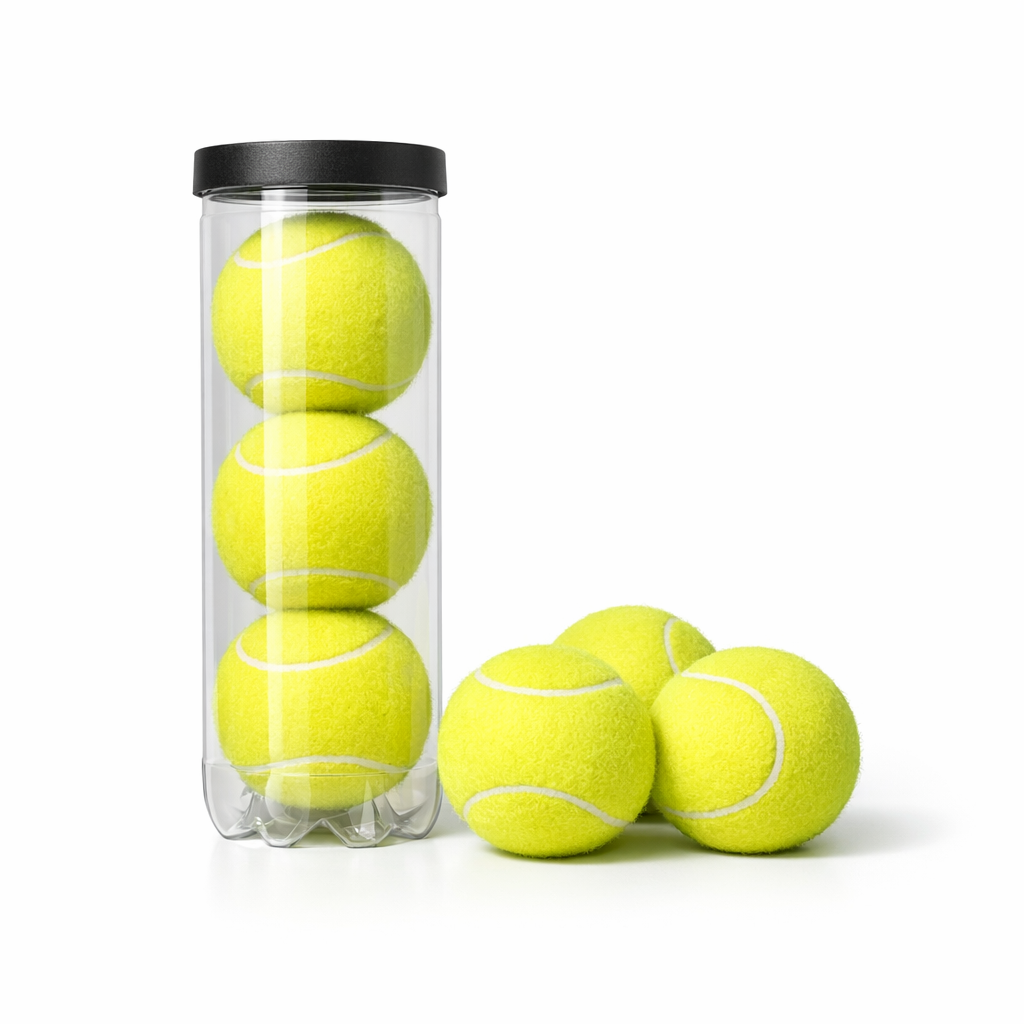
Babolat Padel Balls
Truste d resourcesHelpful external resources related to this topic.British Padel — associationPadel Magazine — mediaSport England — government agency You might also like: Round, Teardrop, and Diamond Padel Rackets Explained.
You might also like: Round, Teardrop, and Diamond Padel Rackets Explained.