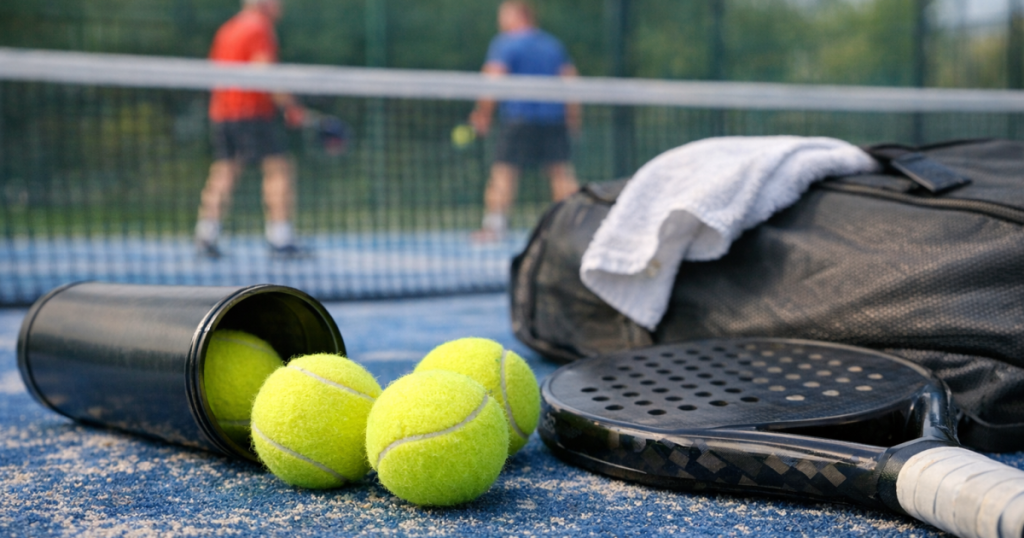
Showing up to a club game with a decent tube of balls sounds minor until the warm-up starts and everything feels flat, heavy or oddly lively. This Dunlop Padel Balls review looks at whether they are a sensible choice for beginner and early club players who want reliable rallies without overthinking every bit of kit.
The short version: Dunlop Padel Balls are a solid, familiar option for social matches, coaching drills and casual club nights. They are not a magic fix for inconsistent technique, and you still need to watch freshness and storage, but they make sense if you want a recognisable brand and a straightforward ball for regular play.
Product overview
Dunlop Padel Balls sit in the everyday club-play part of the padel market. They are the sort of product you buy when you need a fresh tube for a booked court, a beginner box league, a lesson with friends or a casual mix-in where nobody wants to spend the first five minutes arguing about whether the old balls are still usable.
For newer players, the main appeal is simplicity. You are not choosing a racket shape, shoe outsole or bag layout; you are choosing whether the ball gives the group a fair, consistent game. A fresh padel ball should bounce predictably, come off the glass cleanly enough for rallies to develop, and avoid making beginners feel as though every shot has to be forced.
Because Dunlop sells padel balls across different retailers, check the exact listing before buying. Confirm that the product is labelled for padel rather than tennis, check the tube quantity, and look for any retailer information about the specific variant being sold. That matters more than chasing tiny differences that most beginners will not feel in the first few club sessions.
Key specs
- Product name: Dunlop Padel Balls.
- Brand: Dunlop.
- Product type: padel ball.
- Best use: club games, beginner-friendly rallies, coaching drills and social match play.
- Buying format: usually sold in tubes or cans; verify the ball count on the retailer listing.
- Important check: make sure you are buying padel balls, not tennis balls from the same brand.
- Storage note: keep unopened tubes sealed and avoid leaving balls loose in a hot car, damp shed or crushed at the bottom of a bag.
Pros and cons
Pros
- Easy to recommend for club nights: Dunlop is a recognisable sports brand, which helps when you are bringing balls for a group and want something nobody has to debate.
- Good fit for beginner rallies: they are well suited to general club play where consistency and a clean bounce matter more than elite-level speed.
- Useful for drills: a fresh tube gives pairs and small groups a more predictable session than mixing old, half-dead balls from several bags.
- Simple purchase decision: there are fewer fit and personal-preference issues than with rackets or shoes, so they are an easy item to replace regularly.
- Works well as shared kit: they are a practical thing to keep in your padel bag for box leagues, newcomer sessions or spare-court bookings.
Cons
- Freshness still matters: even a good padel ball will lose liveliness once opened and used, so do not expect one tube to feel new forever.
- Retail listings can vary: check the exact tube size and variant before ordering, especially when buying online.
- Not a substitute for technique: if rallies are breaking down because of rushed swings or poor positioning, changing balls will only help a little.
- Can be overused in club settings: beginners sometimes keep using the same balls long after they have stopped bouncing properly.
Performance in real use
In club games, the best ball is often the one you stop noticing. Dunlop Padel Balls do that job well when they are fresh: they let players warm up properly, feed drills with less frustration, and play points without the ball feeling like the main character.
Bounce and rally rhythm: For beginner padel, the key is predictability. Newer players are still learning how to judge the rebound off the glass, how much time they have after the first bounce, and when to volley rather than step back. A tired ball makes all of that harder because it drops shorter, sits lower and encourages players to scoop rather than swing cleanly. A fresh Dunlop tube helps restore a more normal rhythm.
Control in social matches: In mixed-ability games, overly lively or inconsistent balls can make the better player look sharper while making beginners feel rushed. These are a sensible middle-ground choice for club games where the goal is enjoyable points, not turning every exchange into a smash contest.
Drill sessions: If you are doing basket-free drills, such as cross-court consistency, bandeja practice or return games, use balls from the same tube where possible. Mixing one fresh ball with two worn ones creates weird feedback. You might think your contact has changed when the ball is actually the problem.
Club etiquette: Bringing a fresh tube is a small but appreciated gesture. It avoids the awkward moment where four players arrive with old balls and nobody wants to say they are dead. For regular groups, rotate responsibility: one player brings balls this week, another brings them next time. If you are new to organised games, it also helps to know the basics of match flow and serving order, so pair fresh balls with a quick refresher on padel rules and scoring for new club players.
Durability and when to replace: Do not judge padel balls only by how they look. Felt can appear acceptable while the bounce has faded. A simple club test is to compare the ball against a fresher one during warm-up. If everyone is having to lift the ball rather than hit through it, or if lobs are dying unusually short, it is time to open a new tube.
Value for regular players: The value comes from matching freshness to the session. For a friendly hit, you can often use balls that are past their first outing. For a box league, coaching assessment or first game with a new group, a fresh tube is worth it because it removes one avoidable source of frustration.
Who it’s best for / who should skip it
Dunlop Padel Balls are best for beginner and intermediate club players who want a dependable tube for social games, lessons, box leagues and practice nights. They are especially useful if you play with different partners and want to avoid relying on whatever half-used balls happen to be in someone else’s bag.
They also suit players who are starting to take club etiquette more seriously. Turning up with usable balls is not flashy, but it shows you are prepared. It keeps the session moving and makes the game fairer for everyone on court.
You might skip them if you already have a preferred tournament ball required by your club or league, or if you are buying for a very specific coaching setup where the coach provides and controls the balls. Also skip any listing that is unclear about whether the balls are for padel. Tennis balls are not a like-for-like replacement for normal club padel play.
Alternatives
If you are deciding between common club-night options, keep the comparison simple: freshness, availability, and how the ball feels for the level of your group. Most beginners do not need to chase the fastest or most premium-sounding option; they need a ball that helps rallies develop.
- Babolat Padel Balls are worth considering if you want another familiar brand for beginner club nights.
- Wilson Padel Balls are another useful reference point if your main use is feeding drills and practice sessions.
The bigger lesson is not that one tube will suit every player forever. It is that you should avoid using dead balls, check that the listing is genuinely for padel, and choose something your group can trust for a fair game.
What people usually ask
Are Dunlop Padel Balls good for beginners?
Yes. They are a sensible option for beginners because they keep the buying decision simple and work well for normal club games, drills and social matches when fresh.
How do I know when padel balls are too worn?
If the ball feels flat, drops short, sits low after the bounce or makes rallies feel unusually hard work, it is probably past its best. Compare it with a fresher ball during warm-up.
Can I use tennis balls for padel instead?
For normal club padel, buy balls labelled for padel. Tennis balls can feel different in bounce and pressure, and they are not the right default choice for beginner club games.
Should everyone bring their own balls to a club game?
Not always, but someone should take responsibility. In a regular group, rotate who brings a fresh tube so the same player is not paying every time.
Do padel balls matter more than the racket?
They matter in a different way. A suitable beginner racket helps your technique, but fresh balls make the whole session fairer, cleaner and more enjoyable for all four players.
Verdict + score
Dunlop Padel Balls are a dependable, low-fuss choice for beginner and regular club games. Their biggest strength is not novelty; it is that they do the everyday job well when fresh. Buy them when you want a recognisable padel ball for social matches, keep an eye on freshness, and replace them before the group starts adapting to a dead bounce. I’d score Dunlop Padel Balls 8.1/10.
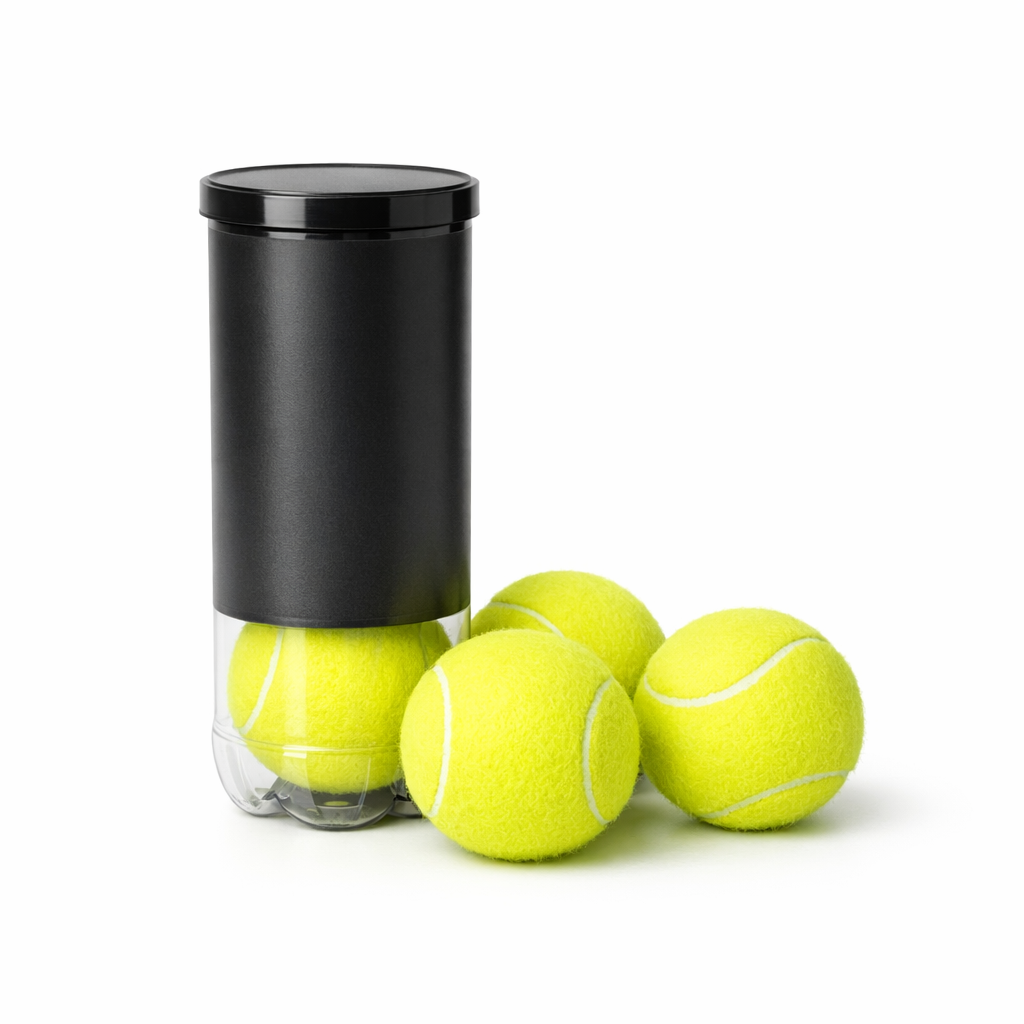
Dunlop Padel Balls
Buy them when you want a recognisable padel ball for social matches, keep an eye on freshness, and replace them before the group starts adapting to a dead bounce.