Buying your first proper padel racket can feel oddly high-pressure: you want something better than a hire racket, but not something so stiff or powerful that every defensive block flies long. This Head Evo Speed review is written for newer players who are starting to play more often and want a racket that makes regular club sessions feel easier, not more complicated.
Quick verdict: the Head Evo Speed is a sensible, confidence-building option for beginners and early improvers who value forgiveness, comfort and simple handling over raw attacking power. It is not the racket to choose if you already hit hard, compete regularly or want a very precise, advanced feel.
Product overview
The Head Evo Speed sits in the part of the padel market that matters most to many new players: affordable enough to be realistic, recognisable enough to trust, and designed around ease of use rather than elite-level aggression. That makes it a natural step up if you have been using club loan rackets or borrowing whatever is available before social matches.
For beginner padel, a racket should help you do three things well: get the ball back, protect your timing when you are late, and keep your arm from feeling punished after a long session. The Head Evo Speed appears to be built with that kind of player in mind. It is the sort of racket you buy because you want cleaner contact, steadier lobs and more confidence at the glass, not because you are trying to smash winners from everywhere.
Before buying, check the exact version and retailer listing you are looking at. Head updates padel ranges over time, and shops can list current and older stock side by side. If you are not sure what shape, balance, core or weight mean in practice, read our guide to padel racket specs explained before comparing listings.
Key specs
- Product type: padel racket.
- Brand and model: Head Evo Speed.
- Best suited to: beginners, improvers and casual club players who want a forgiving first racket.
- Typical playing feel: easy to handle, comfortable on routine shots and more forgiving than a very stiff attacking racket.
- Weight: commonly listed by retailers around the mid-360 g range, but verify the exact stated weight on the current UK product page before ordering.
- Shape, balance and core: check the specific retailer listing, as small details can vary by version; newer players should prioritise a manageable balance and a softer, more forgiving feel.
- What to confirm before checkout: version year, condition, return policy, grip size or grip setup, and whether a cover is included.
Pros and cons
Pros
- Beginner-friendly feel: it is more approachable than advanced power rackets, which helps when your timing and positioning are still developing.
- Good step up from hire rackets: owning the same racket each session makes it easier to build touch, confidence and repeatable contact.
- Comfort-focused character: the racket feels better suited to controlled rallies and learning the game than to forcing winners.
- Recognisable brand: Head is a well-known padel and racket-sports name, so it is usually easy to compare listings and find stock through UK retailers.
- Simple choice for social play: it avoids the common beginner mistake of buying too much racket too soon.
Cons
- Limited ceiling for aggressive players: if you already generate plenty of power, you may outgrow it faster than a newer player would.
- Not a specialist control racket: improving players who want a highly precise, competition-style response may want something more advanced.
- Specs need checking by listing: because versions and retailer pages can differ, do not rely on a single vague product description.
- May not suit frequent league players: if you are already playing intense matches several times a week, you might want a racket with a more specific performance profile.
Performance in real use
Forgiveness and control
The main appeal of the Head Evo Speed is that it does not demand perfect technique on every shot. For new players, that matters more than a racket’s theoretical power. In real club play, many points are won by keeping one extra ball in, defending off the back glass and making the opponent play again. A forgiving racket supports that style because slight mishits feel less punishing.
On volleys, it should feel steady enough for simple blocks and guided placements. It is not designed to turn every net exchange into a finishing shot, but that is not what most beginners need. The better question is whether it helps you keep the racket face stable, aim cross-court and avoid panicking when the ball comes quickly at your body.
Power and attacking shots
This is not a racket for players who judge everything by smash speed. The Head Evo Speed is better viewed as a friendly learning racket with enough punch for normal beginner and improver rallies. If you are still working on footwork, shoulder turn and contact point, that is a positive. A racket that adds too much rebound can make your errors bigger before your technique is ready.
When attacking, expect it to reward clean preparation more than brute force. For bandejas, viboras and overheads, the practical aim is consistency: getting the ball deep, keeping it low enough after the bounce and avoiding loose sitters. Newer players will usually gain more from that than from chasing a racket marketed around maximum power.
Defence and glass play
Defence is where a beginner-focused racket earns its keep. If you are learning to let the ball come off the glass, a manageable racket gives you more time to set the face and play a simple recovery shot. The Head Evo Speed suits that learning phase because it encourages a calmer swing rather than a rushed slap at the ball.
It should also help with the awkward shots that happen constantly in early club play: low balls near your feet, half-volleys after a weak return, and blocked lobs when you are under pressure. No racket fixes poor positioning, but a forgiving one gives you a little more margin while you learn.
Comfort, grip and durability
Comfort is a major reason to choose a racket like this. Many beginners grip too tightly and swing late, so a harsh-feeling racket can make sessions less enjoyable. The Head Evo Speed is a better match for relaxed social play and steady improvement than for players who want a very firm, direct response.
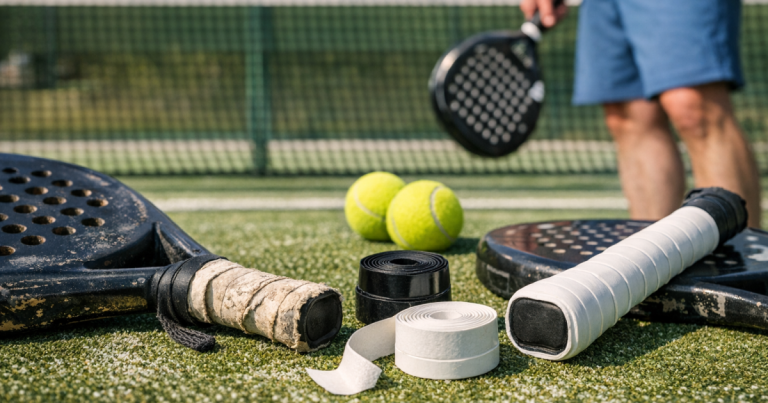
As with any padel racket, inspect the frame, face and grip when it arrives. Look for transport damage, cracks, loose edge protection or a grip that needs replacing sooner than expected. Adding an overgrip is common and inexpensive, and it can make a noticeable difference if your hands slip during indoor sessions or humid summer evenings.
Value for regular beginners
The Head Evo Speed makes most sense if you play often enough to benefit from consistency. If you only try padel once or twice, hiring still makes sense. But if you are playing weekly social matches, coaching sessions or beginner box leagues, owning a racket you know well can speed up your progress. The value is less about dramatic performance and more about reducing variables while you learn.
Who it’s best for / who should skip it
Choose the Head Evo Speed if you are a first-time racket buyer, a newer club player or an early improver who wants a comfortable, forgiving racket for weekly play. It is also a good fit if your current hire racket feels unpredictable and you want something consistent without jumping into a demanding advanced model.
It is especially suitable if you are still developing basic padel habits: letting the ball pass before playing off the glass, using compact volleys, choosing safer lobs and keeping rallies alive. The racket’s friendly character gives you room to learn those skills without feeling punished for every imperfect contact.
Skip it if you already play competitive matches, hit confidently from the back of the court, or want a racket with a stronger attacking identity. Players who know they prefer a high-balance power racket or a very crisp control racket should be more selective and compare specialist options instead.
Alternatives
The most useful alternative is not always a different product name; it is a different racket profile. If you are still new, look at other beginner-friendly rackets with a forgiving shape, manageable weight and comfortable feel. If you are already playing two or three times a week and winning points through overheads, you may be ready to consider a more advanced option.
For players moving beyond their first racket, our padel racket upgrade guide for regular club play explains when it is worth stepping up and when it is smarter to keep developing technique first. That is the key decision: do you need a racket that helps you learn, or one that adds a more specific strength to an already reliable game?
Questions people ask
Is the Head Evo Speed good for complete beginners?
Yes, it is a sensible option for complete beginners who want their own racket for regular sessions. Its appeal is ease of use rather than advanced power.
Can I use the Head Evo Speed for club matches?
Yes, it is suitable for social matches, coaching sessions and beginner-level club play. More competitive players may eventually want a racket with a sharper performance profile.
Should I buy it instead of renting a racket?
If you play weekly, owning the Head Evo Speed can help because you practise with the same feel every time. If you are only trying padel once, renting is still fine.
What should I check before buying online in the UK?
Check the exact version, stated weight, return policy, delivery cost, grip condition and whether the listing is for new stock. Product photos and descriptions should match.
Verdict + score
The Head Evo Speed is a strong beginner and early-improver racket because it focuses on the things that actually help newer players enjoy padel: forgiveness, comfort, simple handling and enough consistency to build confidence from week to week. It will not be the final racket for every player, and stronger competitors may outgrow it, but as a first proper racket for regular club padel it makes a lot of sense. Score: 8.1/10.
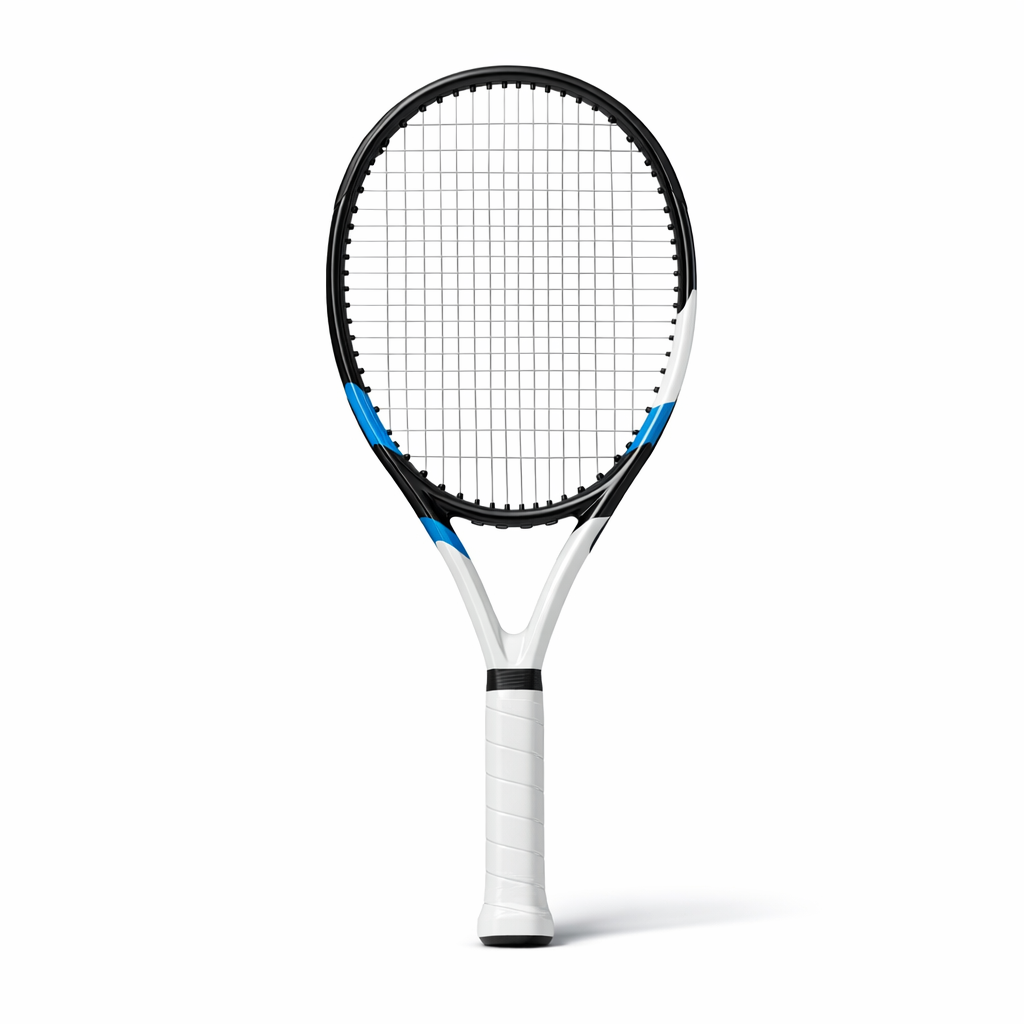
Head Evo Speed
It will not be the final racket for every player, and stronger competitors may outgrow it, but as a first proper racket for regular club padel it makes a lot of sense.
You might also like: Padel Coaching, Social Matches or Leagues: Where Should Beginners Start?.