A club box league can make a ball feel more important than it does in casual play: you want something lively enough to keep rallies honest, but predictable enough that nobody feels the match was decided by equipment. This Head Padel Pro S Balls review is for the player who has started turning up with their own tube and wants to know whether these balls are a sensible league-night choice.
The short answer: Head Padel Pro S Balls are a strong fit for regular club matches if you like a slightly lively, responsive feel and you are disciplined about using fresh balls for proper fixtures. They are not the cheapest-feeling training option, and they may be more ball than you need for a relaxed knockabout, but they make sense when the result matters.
The big picture
For box leagues, the best ball is rarely the one that feels spectacular for five minutes. It is the one that stays fair, consistent and familiar across a whole match, especially when four players of mixed experience are trying to settle into rhythm.
Head Padel Pro S Balls sit in that match-night space. They feel more appropriate for organised games than for endless basket drills, and they suit players who want a recognisable, club-friendly ball without overthinking the choice. If you are buying for your next box league fixture, start with one fresh tube and see whether your regular opponents agree on the feel before stocking up.
Product overview
Head Padel Pro S Balls are padel balls from Head, one of the most visible brands in club padel. The Pro S sits close to the match-play end of the category rather than the throwaway practice end, so the natural use case is competitive club play, social leagues and sessions where players care about a clean, predictable bounce.
For beginners moving into regular fixtures, the main appeal is confidence. You do not want to spend the warm-up wondering whether the ball is flat, too slow, too bouncy or unfamiliar to everyone else on court. With Head Padel Pro S Balls, the experience is straightforward: open a fresh tube, warm up properly, and you should have a ball that feels suitable for a proper match.
They are especially relevant in box leagues because those matches often rely on players bringing their own balls. Some clubs provide balls, some sell them at reception, and some leave it to the pairings to sort out. Before a fixture, check whether your league organiser expects a specific ball type, a new tube, or simply a ball both pairs accept before play starts. That small bit of etiquette avoids awkward conversations after a close set.
If you are still new to the club environment, it is worth brushing up on basic padel etiquette for new players, because ball choice is part of the same bigger picture: be fair, be clear, and do not leave your opponents guessing.
Key specs
- Product name: Head Padel Pro S Balls.
- Brand: Head.
- Product type: padel ball.
- Best use: club matches, box leagues, organised social games and match-practice sessions.
- Pack format: commonly sold in tubes, but always verify the exact quantity and packaging before ordering.
- Court suitability: designed for padel courts; check how they feel on your club’s indoor or outdoor surface during the warm-up.
- League suitability: suitable where organisers allow players to supply their own recognised padel balls; confirm any local club rule before match day.
Pros and cons
Pros
- Good match-night feel: they feel more purposeful than a tired practice ball and suit the sharper tempo of box league play.
- Recognisable brand: Head is familiar to many padel players, which helps avoid arguments about unknown balls before a fixture.
- Useful for consistency: using the same ball across league matches makes it easier to judge lobs, bandejas, volleys and glass rebounds.
- Beginner-friendly enough: they are not only for advanced players; improving club players can benefit from using a proper match ball.
- Easy to justify for competitive games: a fresh tube is a small but meaningful upgrade over relying on old balls from the bottom of a bag.
Cons
- Freshness matters: like any pressurised padel ball, performance drops once the tube has been opened and the balls have seen enough play.
- May feel lively for some beginners: if you are still struggling to control depth, a more responsive ball can punish loose technique.
- Not necessary for every session: casual drills, coaching baskets and gentle rallies do not always need a match-focused ball.
- Club rules come first: if your box league specifies another ball, you should follow the organiser’s standard for fairness.
Performance in real use
The strongest argument for Head Padel Pro S Balls is how neatly they fit the reality of club box leagues. Matches are often squeezed into busy evening slots, warm-ups are short, and players may not know each other well. A dependable ball removes one variable from the match.
Bounce and predictability
For newer players, predictability matters more than raw pace. You need time to read the ball off the glass, judge whether to volley or let it pass, and decide whether a lob is actually deep enough. Head Padel Pro S Balls give a lively enough response for proper points, but the key benefit is the sense that the ball is doing what you expect when it is fresh.
That does not mean they will make every rally clean. Padel remains sensitive to court conditions, temperature, humidity, surface wear and player technique. On some indoor courts, the game may feel faster and lower; on outdoor courts, wind and damp conditions can change everything. Use the warm-up to agree whether the ball feels right, rather than waiting until a tight game to raise the issue.
Durability across a match
For a standard club fixture, one fresh tube should be the sensible starting point. The balls should feel at their best early on, then gradually lose some liveliness as rallies, smashes and glass rebounds add up. That is normal, not a fault unique to this product.
The practical question is whether they still feel fair late in the match. In a box league, especially if sets are close, players can become very sensitive to anything that changes the tempo. Head Padel Pro S Balls are a good choice when you want to reduce that complaint risk, but you still need to retire them once they stop bouncing cleanly or feel noticeably soft.
Suitability for indoor club courts
Many UK beginners first encounter competitive padel indoors, where conditions are controlled but surfaces can still vary. On a grippy, well-maintained court, these balls suit rallies that include a mix of volleys, lobs and glass play. On a slicker court, the ball can feel quicker through the court, which makes footwork and spacing more important.
If slippery indoor courts are part of your weekly routine, the ball is only one piece of the puzzle. Shoes can make a bigger difference to your balance and confidence, so pairing a reliable match ball with sensible footwear matters more than chasing extra pace from equipment.
Fairness in tight scoring moments
Box league matches often turn on one or two awkward points: a deuce, a no-ad deciding point, or a sudden swing after a missed return. If your club uses golden point, a clean and accepted match ball becomes even more important because there is less room for the match to settle itself over repeated deuces. For a refresher on how that works, see this simple guide to golden point in padel.
The takeaway is simple: open the tube before the match, give everyone a proper warm-up, and agree the balls are fine before the first point. That habit is more valuable than arguing about brands halfway through a deciding game.
Value for regular league players
The value case depends on how often you play competitive fixtures. If you enter one box league match a month, buying decent balls occasionally is easy to justify. If you play several times a week, you will need to be more selective: save fresh tubes for matches and use older balls for warm-ups, serves and light practice.
For beginners, this is also where bag organisation helps. Keep match balls separate from old practice balls so you do not accidentally start a league night with a half-dead tube. It sounds obvious, but plenty of avoidable match-day faff starts with players rummaging around for anything that still bounces.
Who it’s best for / who should skip it
Head Padel Pro S Balls are best for beginner-to-intermediate club players who are now playing organised games, box leagues or regular match practice. They suit players who want a proper match feel, do not mind opening fresh balls for fixtures, and prefer using a familiar padel brand that opponents are unlikely to question.
They are also a sensible pick for pairs who take turns supplying balls. If one player brings a fresh tube one week and the other does the same next time, everyone gets a fairer match and nobody feels like they are subsidising the league.
You should skip them if you only need balls for low-intensity drills, beginner coaching baskets or casual rallies where longevity matters more than match feel. They may also be unnecessary if your club already supplies a different official ball for league matches. In that case, consistency with the club standard matters more than personal preference.
Players who are still learning basic control may find any lively match ball a little unforgiving at first. That is not a reason to avoid good balls forever, but it may be worth using them in matches rather than every practice session.
Alternatives
The closest alternative is Head Padel Pro, which many club players already know. If your club standard is Head Padel Pro rather than the Pro S version, sticking with what everyone normally uses can be the fairest choice for league play.
Another recognisable option is Bullpadel Premium Pro. It is worth considering if your regular group already prefers Bullpadel balls, but do not switch purely for novelty before an important fixture. For box leagues, familiarity and agreement between players usually matter more than experimenting with a new tube on match night.
If you are unsure, ask the organiser what most players use and match that. The best alternative is often not the most exciting ball; it is the one your league already accepts without debate.
Questions people ask
Should I open a new tube for every box league match?
For a competitive fixture, yes, that is the cleanest approach. You can then move the used balls into your practice pile afterwards.
Can beginners use Head Padel Pro S Balls?
Yes. They are suitable for improving beginners who are ready for regular club matches, though very new players may prefer to practise with older balls first.
Do all clubs allow players to bring their own balls?
No. Some clubs provide balls or set a preferred standard for leagues. Check the match instructions before turning up with your own tube.
How do I know when a padel ball is too old for league play?
If it feels soft, loses bounce quickly, sounds dull off the racket, or both pairs start questioning it, retire it from match use.
Verdict + score
Head Padel Pro S Balls are a confident choice for club box leagues because they offer the right blend of match feel, familiarity and practical fairness. They are not the ball to waste on endless casual drills, but for organised fixtures where players want a clean start and fewer arguments, they make good sense. If your club allows players to supply balls, keep a fresh tube ready for league night and use your older balls for practice afterwards. Score: 8.2/10.
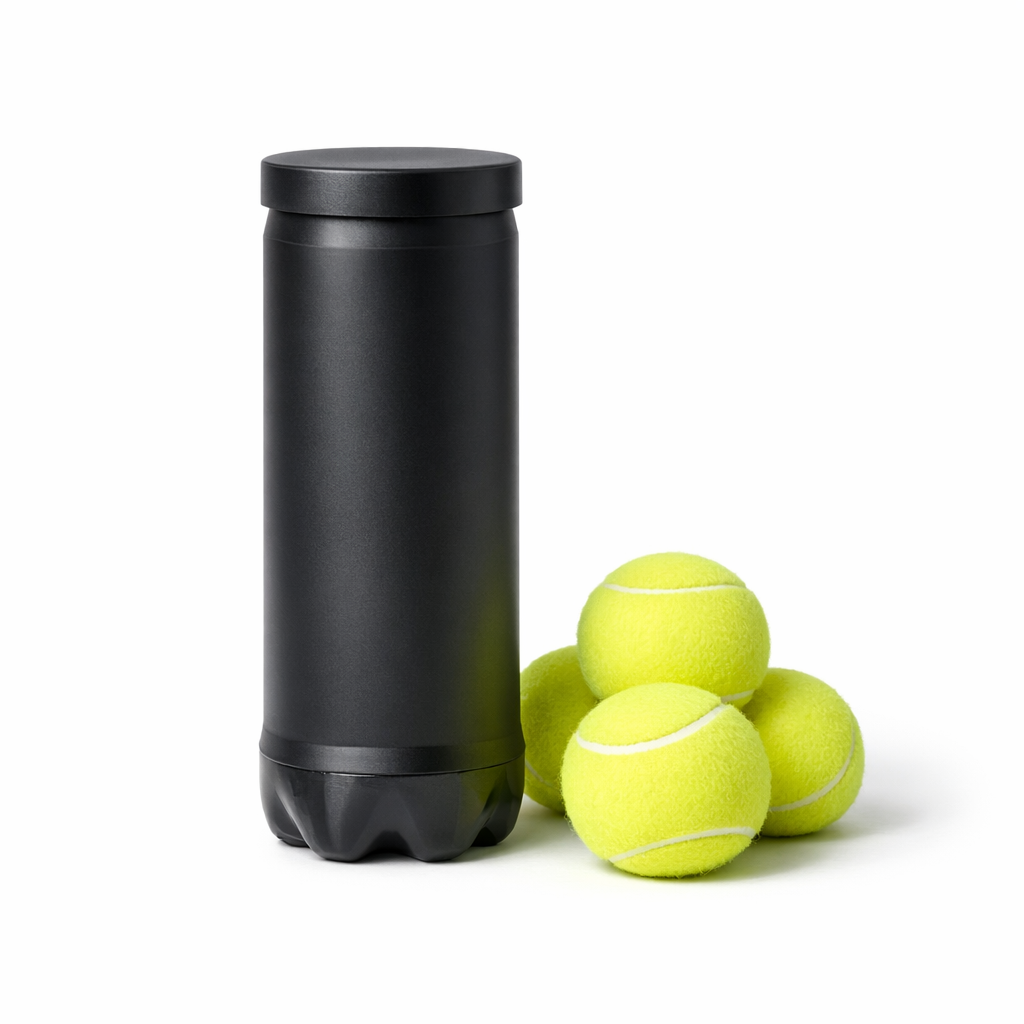
Head Padel Pro S Balls
If your club allows players to supply balls, keep a fresh tube ready for league night and use your older balls for practice afterwards.
You might also like: Renting vs Buying Padel Gear: What Makes Sense First.