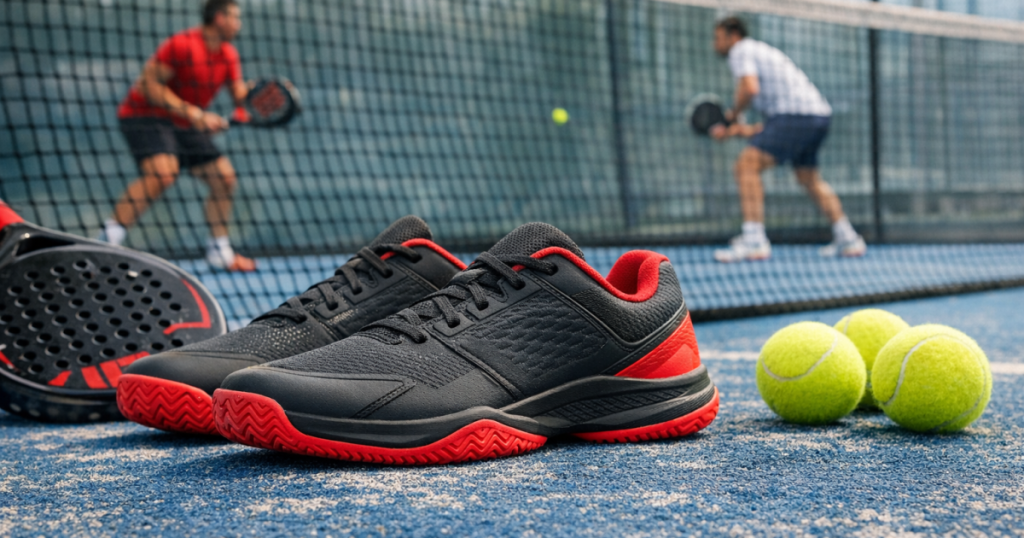
Once your padel games move beyond gentle rallies, your shoes start to matter more than you expected. This Wilson Bela Pro Padel Shoes review looks at whether Wilson’s Bela-branded padel shoe gives enough support, grip and comfort for regular club play without feeling like overkill for an improving beginner.
The short answer: it looks like a serious padel shoe rather than a casual court trainer, and that is the right starting point. The main decision is not whether it is “advanced” enough, but whether its fit, sole pattern and level of support match the courts you play on and the pace of games you are joining.
Product overview
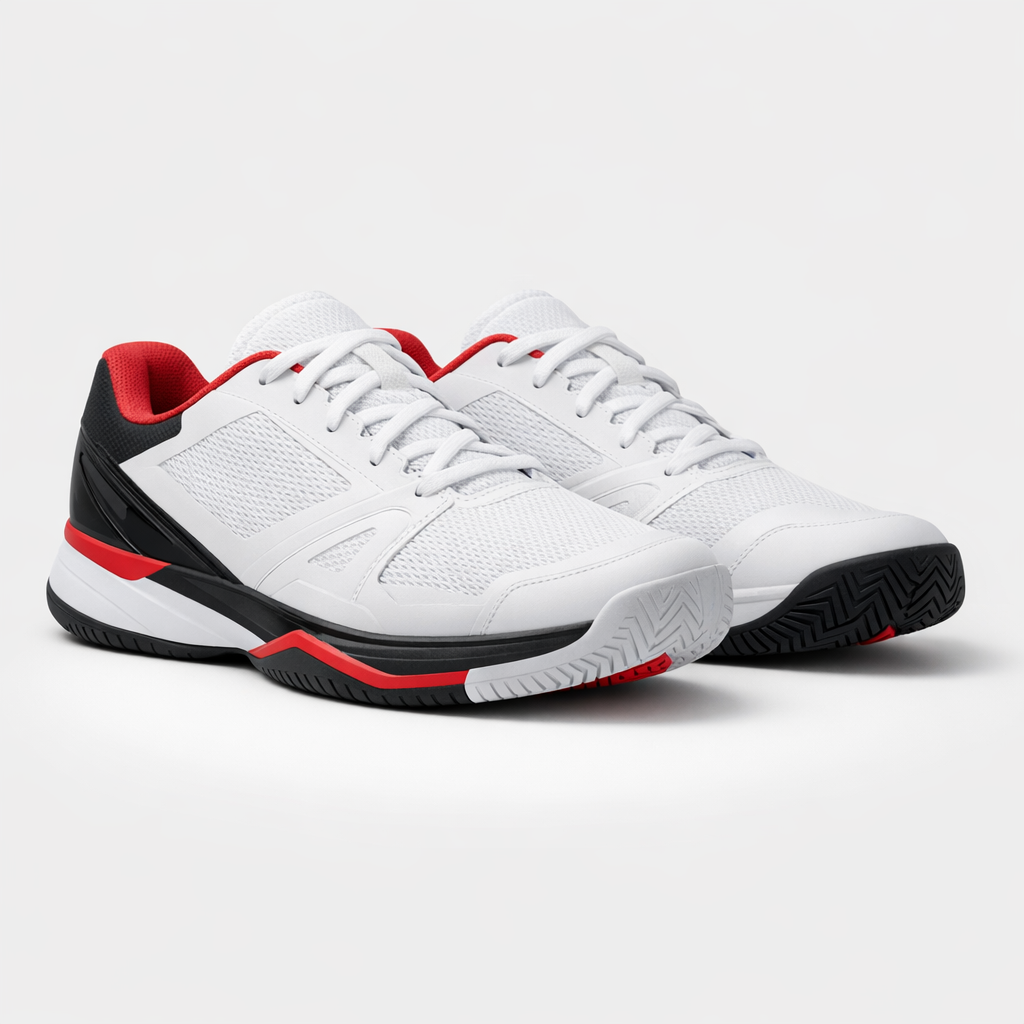
The Wilson Bela Pro Padel Shoes sit in Wilson’s padel footwear range with a clear performance angle. The Bela name is associated with Fernando Belasteguín, so the shoe is likely to appeal to players who want something more purposeful than a general tennis trainer or gym shoe.
For beginners moving into club nights, the key attraction is stability. Padel involves lots of short side-steps, braking, split steps and small recovery movements, rather than long straight-line running. A shoe that feels planted when you push sideways can make volleys, defensive blocks and turns off the glass feel less rushed.
That said, do not buy purely because of the name. Retail listings can vary by colourway, season and sole description, so check that the pair you are viewing is specifically sold for padel or suitable court use, and not a similarly named Wilson tennis shoe. The outsole is especially important for UK indoor and outdoor artificial-turf courts, where grip and release need to be balanced.
Key specs
- Product name: Wilson Bela Pro Padel Shoes.
- Brand: Wilson.
- Product type: padel shoe.
- Intended use: padel court play, club sessions and regular recreational matches.
- Closure: lace-up design; check the exact retailer images and listing for the version you are buying.
- Sole check: confirm the outsole pattern is suitable for the padel surfaces you use most often, particularly sanded artificial turf.
- Fit check: verify UK sizing, width notes and return terms before ordering, as court shoes can feel different from running shoes.
- Best buying check: compare the product title, sole description and official Wilson imagery so you do not accidentally order a different Bela or Rush model.
Pros and cons
Pros
- Purpose-built feel: A dedicated padel shoe is a better match for lateral movement than a running shoe.
- Club-play focus: The stable, court-led design makes sense for players starting to play more competitive games.
- Recognisable brand: Wilson is a familiar name in racket sports, which makes sizing information, stockists and replacement options easier to research.
- Better confidence under movement: A supportive shoe can help newer players commit to volleys and quick direction changes.
Cons
- Fit will decide everything: A stable shoe that pinches, slips at the heel or feels too narrow will not be enjoyable over a full session.
- Sole details need checking: Retailers may describe court soles differently, so confirm suitability for your main playing surface.
- Not the cheapest route into padel: Casual beginners who play once a month may not need a performance-focused shoe straight away.
- Less useful off court: Like most court shoes, it is best kept for padel rather than daily wear if you want the outsole to last.
Performance in real use
Stability during quick changes
This is the biggest reason to consider the Wilson Bela Pro Padel Shoes. In club play, the awkward moments are rarely full sprints; they are the little stops and re-starts after a bandeja, a block volley or a ball that dies near the side glass. A shoe with a stable base helps you feel less top-heavy when you have to brake and recover.
For early-stage players, that stability can be more useful than a super-light feel. Beginners often arrive late to the ball, plant their feet suddenly and then try to steer the racket at the last moment. A shoe that feels secure under the outside edge of the foot can make those scrappy points feel more manageable.
Grip on padel courts
Grip is where you need to check the exact shoe you are buying. Many UK padel courts use artificial turf with sand, and the best sole for you depends on how much sand is on the court, whether you play indoors or outdoors, and how polished or worn the surface has become.
You want enough bite to push off without sliding unexpectedly, but not so much that your foot gets stuck when you rotate. That balance matters for knees, ankles and general comfort, but it also affects shot quality. If your feet are fighting the court, you tend to jab at volleys instead of moving smoothly through them.
Comfort over a full session
A typical club session can run long enough for small fit issues to become annoying. Pay attention to toe space, heel hold and pressure across the top of the foot. Your toes should not be crushed when you stop quickly, but the shoe should not feel loose when you move sideways.
If you normally wear running shoes, expect a proper court shoe to feel more structured. That is not automatically a bad thing. The extra hold is part of the point, but it should feel supportive rather than restrictive. Try them with the socks you actually wear for padel, not thin everyday socks that change the fit.
Durability and upkeep
Padel shoes wear hardest at the outsole, toe area and inner side of the upper, especially if you drag a foot while defending or serving. The Wilson Bela Pro Padel Shoes should be treated as court kit, not all-purpose trainers. Wearing them to drive, walk on pavements or stand around on rough surfaces will only shorten their useful life.
After play, knock loose sand out of the sole and let the shoes air dry naturally. Do not leave them sealed in a damp bag for days. If muddy outdoor courts are part of your week, it is also worth keeping your footwear separate from your racket and clothing; the simple habits in our guide to packing padel shoes without dirtying your bag apply here too.
Value for improving players
The value case is strongest if you already play regularly or are moving from casual games into organised club sessions. At that point, footwear affects confidence, movement and recovery between shots. Spending sensibly on shoes can be more useful than rushing into an expensive racket before your game has settled.
If you are still testing whether padel will become a regular habit, the Bela Pro may feel like a big first step. But if you are playing most weeks and finding that your current trainers slide, twist or leave your feet tired, a dedicated shoe becomes much easier to justify.
Who it’s best for / who should skip it
The Wilson Bela Pro Padel Shoes are best for players who have moved past their first few taster sessions and now want a more secure base for club play. They make most sense if you are playing weekly, joining mixed-ability games, or starting to notice that footwork affects whether you can control the next ball.
They are also a sensible option for players who value a supportive feel over a barely-there shoe. If your current trainers feel unstable when you change direction, or you hesitate to push off for wide balls, this type of padel shoe is worth considering.
You should skip them, or at least pause before buying, if you only play occasionally, if you strongly prefer very soft everyday-trainer comfort, or if you have not checked the sole type against your local courts. A shoe can be well made and still be the wrong match for your foot shape or playing surface.
If you are unsure whether your current games are beginner, improver or intermediate level, our guide to finding the right padel games to join can help you judge how demanding your footwear needs to be.
Alternatives
If the Wilson fit does not work for you, the most relevant alternative route is not to chase another famous name immediately. Look for a padel shoe with a suitable outsole, good heel hold and enough lateral support for the courts you actually use.
For a direct shoe comparison, our review of Asics Gel-Padel Pro 3 vs K-Swiss Hypercourt Express Padel Shoes is a useful next read. Those models give you two different reference points for comfort, support and beginner-friendly value without turning the decision into a full roundup.
Helpful questions
Are the Wilson Bela Pro Padel Shoes suitable for beginners?
Yes, if the beginner is playing regularly and wants proper court support. For a one-off taster session, they are probably more shoe than you need.
Can I use running shoes for padel instead?
You can for a very first session, but running shoes are designed mainly for forward motion. Padel needs lateral grip and support, so dedicated court shoes are safer and more stable for regular play.
Should I size up?
Do not assume you need to size up. Check UK sizing notes, try them with padel socks, and make sure your toes have room when you stop quickly without the heel lifting.
Are they only for advanced players?
No. A supportive padel shoe can help improvers as much as advanced players, provided the fit and sole suit the court.
Verdict + score
The Wilson Bela Pro Padel Shoes are a strong option for players who are taking club padel seriously and want a more stable, padel-specific feel underfoot. The main cautions are fit and sole suitability: check both carefully before buying, because those two details will matter more than the Bela branding once you are on court. For regular beginners and improvers who want support for faster rallies, the score is 8.2/10.
Wilson Rush Pro 3.0 Padel Shoes
Tru ctured.