Beginner drill sessions can fall apart when the ball feels dead, too lively, or inconsistent from one feed to the next. This Wilson Padel Balls review looks at whether they are a sensible tube to keep in your bag for wall rebounds, basket feeds, serves and early club games, rather than treating them like a pro-level performance upgrade.
Product overview
Quick verdict: Wilson Padel Balls are a good fit for beginner drill sessions if your priority is repeatable practice, familiar feel and simple club-bag convenience. They are not a magic fix for technique, and you should still check the exact tube quantity and product listing before buying, but they make sense for players who want dependable padel balls without turning every purchase into a deep gear decision.
The main appeal is straightforward: Wilson is a recognisable racket-sport brand, and these balls are made for padel rather than being tennis balls pressed into the wrong job. For early-stage players, that matters because drill work relies on rhythm. When you are practising forehand volleys, bandeja preparation, glass rebounds or basic serve placement, you want the feed to feel familiar enough that you can focus on contact point and recovery position.
They are best thought of as everyday training balls for normal club use. If you are running a basket drill with a coach, playing after work with friends, or building confidence before entering social match play, they fit the brief. If you are preparing for a specific tournament, check whether that event specifies an approved ball.
Key specs
- Brand: Wilson.
- Product name: Wilson Padel Balls.
- Product type: padel ball.
- Intended use: padel drills, social rallies, serve practice and early club sessions.
- Pack format: commonly sold through retailers as tubes or multi-tube packs; verify the exact ball count before ordering.
- Compatibility: designed for padel courts, not as a substitute for tennis-specific balls.
- What to check before buying: tube quantity, seller description, whether the listing is for padel balls, and whether your club or event requires a particular official ball.
Pros and cons
Pros
- Easy to understand for beginners: they do the simple job of giving you a proper padel ball for repeat practice.
- Good for structured drills where consistency matters more than maximum speed or prestige branding.
- Recognisable Wilson branding makes them easier to identify when buying online or replacing a used tube.
- Useful for club bags because you can keep a fresh tube for drills and retire older balls to warm-ups.
- Suitable for a wide range of beginner practice patterns, from feeds at the net to serve and return work.
Cons
- Not the most exciting purchase if you are looking for a specialist match-ball feel.
- Like all pressurised padel balls, they will gradually lose liveliness with use and time after opening.
- Retail listings can vary, so you need to check whether you are buying a single tube or a multi-pack.
- If your coach, league or club session specifies another ball, that requirement should take priority.
Performance in real use
For beginner drill work, the important question is not whether the ball feels spectacular. It is whether it helps you repeat the same movement often enough to improve. On that measure, Wilson Padel Balls are easy to recommend for early club practice. They suit the kind of session where one player feeds, the other works on a target, and both players want the ball response to feel familiar from rally to rally.
In wall-rebound drills, a usable padel ball should give you time to read the bounce without dying off the glass too quickly. Fresh balls help here because beginners are still learning how much space to leave between body, side glass and back glass. If the balls are already flat, the drill becomes misleading: you start adjusting to a poor ball rather than learning the correct spacing. With a new tube, these balls give you a cleaner starting point for that learning process.
For volley drills, they are well suited to controlled repetition. Beginners often over-hit at the net because every ball feels like a chance to finish the point. A reliable training ball encourages a calmer pattern: split step, prepare the racket, punch through the ball, recover. If you are feeding ten balls to the forehand volley and ten to the backhand volley, that steadiness matters more than chasing a ball that feels unusually fast.
Serve practice is another good use case. You do not need a premium match setup to improve your serve; you need a repeatable ball, a clear target and enough patience to practise placement rather than power. A fresh tube lets you work on first-serve direction, slower second serves and simple return patterns without blaming every mistake on worn-out balls.
Durability is best judged realistically. Padel balls are consumables, not long-term kit. They will soften as sessions pass, especially if they are used in repeated basket feeds or longer club nights. A sensible approach is to mark older balls, use them for warm-ups, then save fresher ones for drills where bounce quality affects the lesson. If your movement drills involve lots of starts, stops and side-to-side recovery, your footwear matters too; our padel shoes guide explains how grip and support affect early court confidence.
Value depends on how you use them. If you open a tube for one casual knock and then leave it in the bottom of your bag for weeks, any pressurised ball will feel less lively next time. If you plan two or three focused sessions around a fresh tube, you are much more likely to feel that you got useful practice from it.
Who it’s best for / who should skip it
Wilson Padel Balls are best for beginners and early club players who want dependable practice balls for drills, coaching homework and relaxed games. They make particular sense if you are building habits: feeding to a partner, practising cross-court control, learning to let the ball pass to the back glass, or running short serve-and-return patterns before a match.
They also suit players who are starting to take club sessions a little more seriously but do not want to overcomplicate gear. If you already have a racket you trust and comfortable shoes, a couple of tubes of proper padel balls can make your practice feel more organised straight away. For players deciding whether structured coaching would improve their practice faster, this guide to group padel lessons vs private coaching is a useful next step.
You should skip them if your league, coach or venue requires a different specified ball. You might also look elsewhere if you are an advanced player chasing a particular match feel, or if you only need cheap older balls for warm-ups and do not care about consistent bounce. For most new players, though, the better mistake to avoid is using random tennis balls or dead padel balls and then wondering why drills feel awkward.
Alternatives
If Wilson Padel Balls are unavailable, Head Padel Pro is one of the most recognisable padel ball options and is commonly associated with club and competitive play. Check the exact listing and pack size before buying, as multi-pack wording can be easy to misread.
Another sensible alternative is Bullpadel Premium Pro, particularly if your club shop or coach already uses Bullpadel balls in sessions. As with any ball purchase, match your choice to your actual use: drills, social games, coaching, or a specific event requirement.
Questions people ask
Are Wilson Padel Balls good for complete beginners?
Yes, they are a sensible choice for complete beginners because they are proper padel balls and work well for repeatable practice. They will not fix technique, but they remove one common source of inconsistency.
Can I use tennis balls for padel drills instead?
It is better to use padel balls. Tennis balls are not the same product, and using the wrong ball can make bounce, timing and glass rebounds feel less representative of real padel.
How should I use older padel balls?
Keep older balls for warm-ups, gentle hand-feeds or simple contact drills. Use fresher balls when bounce quality matters, such as serve practice, wall rebounds and controlled point patterns.
Should I buy one tube or a multi-pack?
For occasional play, one tube is enough. If you practise weekly or feed lots of drills, a multi-pack can be more convenient, but always check the exact quantity in the retailer listing.
Verdict + score
Wilson Padel Balls are a strong, no-fuss choice for beginner drill sessions. Their biggest strength is not glamour; it is usefulness. They help new players practise with a proper padel ball, build repeatable routines and avoid the false feedback that comes from flat or inappropriate balls. Advanced players may prefer a ball chosen around a specific match feel, but for early club play and steady improvement, they are easy to justify. Score: 8.1/10.
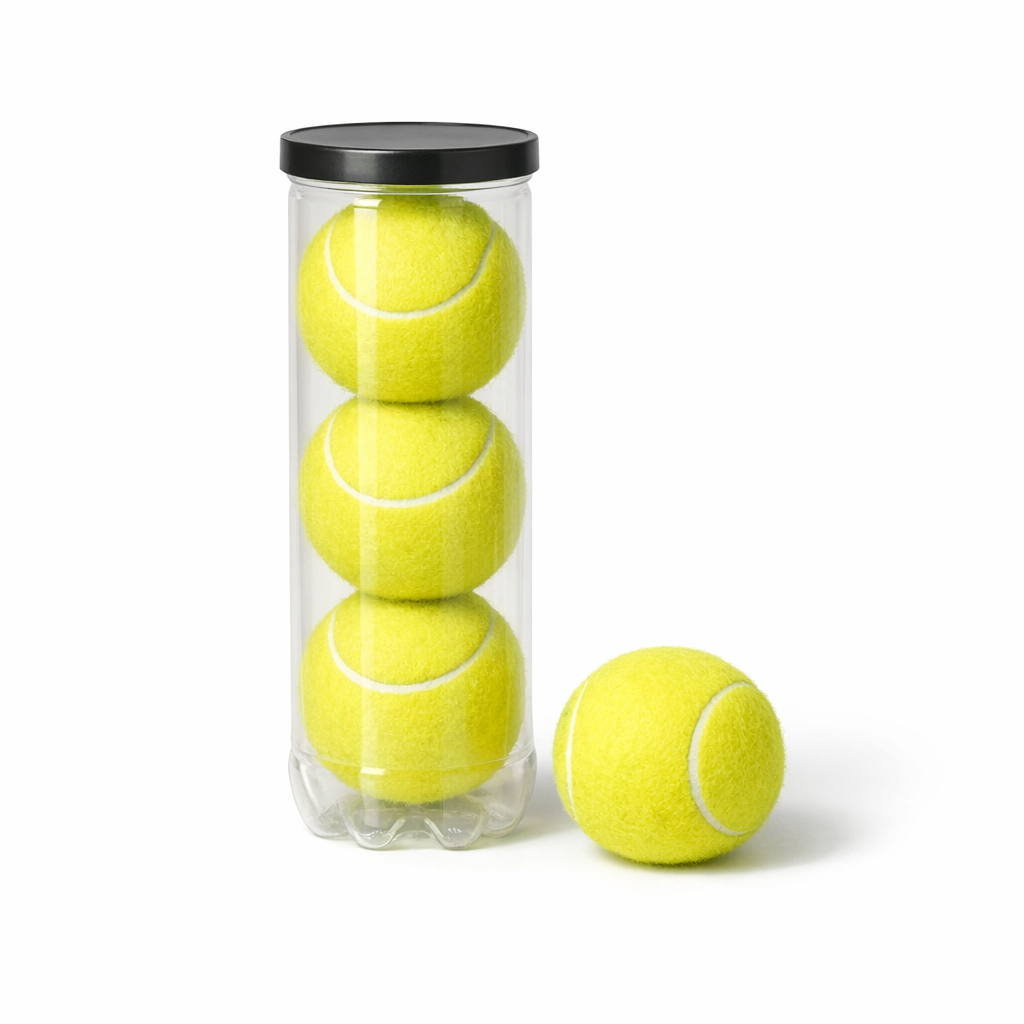
Wilson Padel Balls
Advanced players may prefer a ball chosen around a specific match feel, but for early club play and steady improvement, they are easy to justify.
You might also like: Babolat Viper Carbon vs Head Graphene 360+ Alpha Elite: Which Racket Makes More Sense?.