Getting better at padel is much easier when you know what to practise between matches, not just what went wrong afterwards. This The Padel School review looks at whether its drills are genuinely beginner-friendly, or whether newer players are better off sticking with in-person coaching until the basics feel more settled.
The short version: The Padel School is a strong fit for motivated beginners who already play at a club and want clearer structure between sessions. Its best value is not in replacing a coach, but in giving you simple technical ideas, repeatable drills and tactical language you can take onto court with a partner.
Product overview
The Padel School is an online padel coaching resource associated with Sandy Farquharson and a wider coaching team. It is best known for instructional padel content, drills, tactical explainers and player-improvement material aimed at club players who want to understand the game more clearly.
For beginners, the appeal is obvious: you can watch a lesson before a session, choose one idea to test, and avoid turning every match into random trial and error. That matters in padel because new players often improve quickly at first, then stall once rallies become longer and opponents start using the glass, lobs and positioning more intelligently.
The Padel School works best when you treat it as a practice companion rather than a passive video library. If you simply watch several lessons in a row, the advice can blur together. If you pick one drill, give it 20 minutes on court, then reflect on what changed, it becomes much more useful.
Clear CTA: before committing to any paid online coaching option, watch a few public lessons, run one beginner drill during a real court booking, and check the current access model, pricing and cancellation terms directly with the provider.
Key specs
- Product type: Online padel coaching and drill resource.
- Main focus: Technique, tactics, movement, positioning and practice structure for improving players.
- Beginner relevance: Strongest for newer players who know the basic rules and are starting to play regular club games.
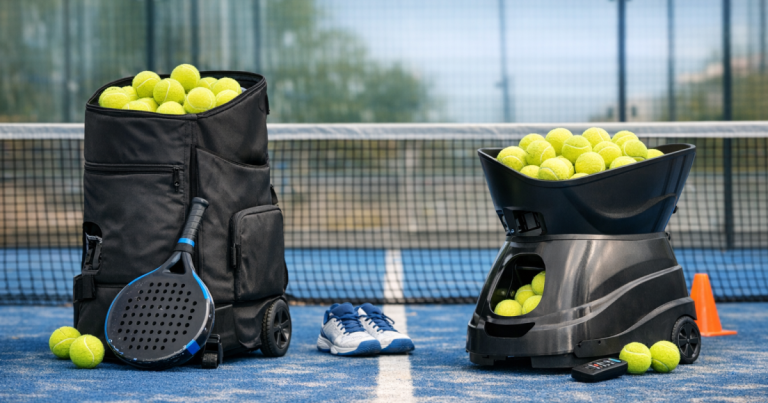
- Equipment needed: A padel racket, balls, court access and ideally a practice partner; cones or markers can help but are not essential for many drills.
- Best use case: Choosing one small technical or tactical goal before a court session.
- What to verify: Current membership options, included content, platform access, update frequency and whether the material matches your level.
Pros and cons
Pros
- Beginner concepts are usually explained in plain language. The coaching style tends to focus on what a club player can actually try, rather than drowning the viewer in elite-level detail.
- The drills encourage purposeful practice. Instead of just playing another set, beginners can isolate a theme such as volleys, lobs, bandeja preparation or court positioning.
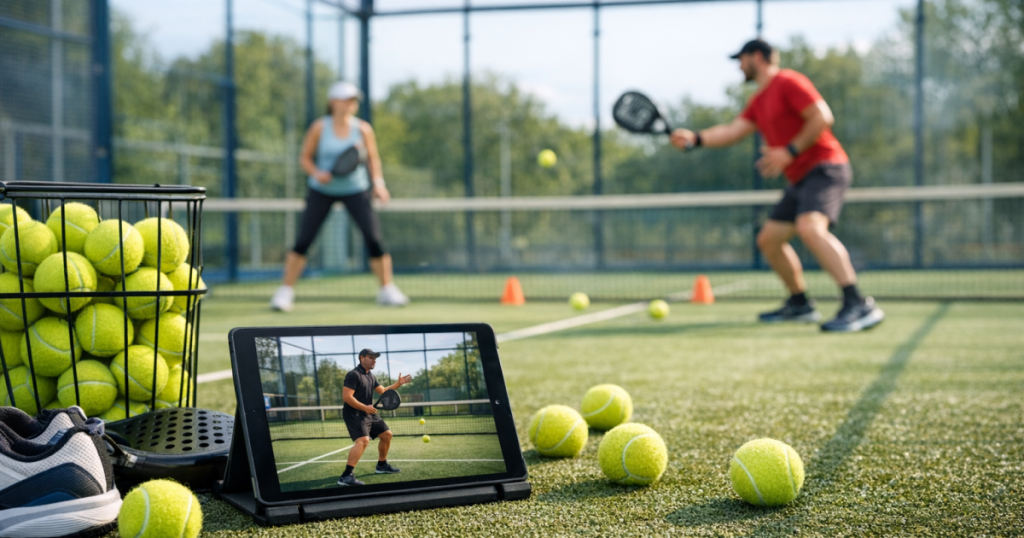
- Good for visual learners. Seeing footwork, racket preparation and court shape demonstrated is often easier than reading about it.
- Useful between coaching sessions. It can help you remember what to work on after a lesson with a local coach.
- Strong tactical emphasis. For beginners who hit the ball reasonably well but stand in the wrong places, the positioning advice is particularly helpful.
Cons
- It still requires discipline. Online drills only help if you pick a small focus and practise it properly on court.
- Some content may feel ahead of a total beginner. If you are still learning the scoring, walls and basic serve, you may need to be selective.
- No instant personal feedback. A video can show the idea, but it cannot correct your grip, contact point or movement in real time.
- Court access matters. In many UK clubs, peak-time court space is precious, so you may need to plan practice slots rather than trying drills during social matches.
- Value depends on your routine. If you only play once every few weeks, a large coaching library may be more than you need.
Performance in real use
Beginner clarity
The strongest part of The Padel School for newer players is its ability to turn a vague problem into a court-ready task. A beginner might know they are losing points at the net, but not know whether the issue is positioning, racket height, decision-making or footwork. Good coaching content helps separate those problems.
The drills are generally most beginner-friendly when they focus on one variable at a time. For example, a volley drill that asks you to keep the racket in front and recover to a sensible net position is easier to apply than a drill that adds spin, direction, movement and tactical disguise all at once.
Drill structure
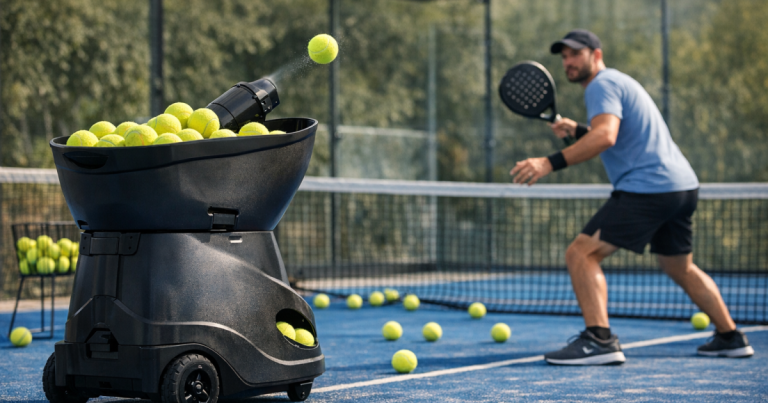
The best beginner drills are short, repeatable and measurable without needing a coach to supervise every shot. The Padel School often suits that style because many ideas can be adapted into simple patterns: feed, volley, recover; lob, defend, reset; serve, first volley, hold the net.
For early-stage players, the trick is to simplify. If a drill looks too advanced, reduce the speed, remove the scoring pressure or practise from a static start before adding movement. You do not need to copy every detail perfectly for the session to be useful.
Serving and first-shot practice
Serving is an area where beginners can make quick progress with the right constraints. If you are using The Padel School for serve practice, pair it with a clear understanding of the rules so you are not accidentally rehearsing illegal habits. Our guide to padel serve rules is a useful reference before you build a serve-and-first-volley drill.
The main beginner goal is not power. It is a reliable serve motion, a legal contact height, sensible placement and a ready position for the next ball. Any online drill that keeps attention on those basics is worth prioritising over flashier variations.
Movement and positioning
Padel beginners often chase the ball instead of moving as a pair. This is where online coaching can help, because a top-down or side-on demonstration makes court geometry easier to understand. Watching where players stand after the shot can be more valuable than watching the shot itself.
The Padel School’s tactical material is useful when you are starting to ask better questions: when should we take the net, when should we reset with a lob, and why are we leaving gaps through the middle? Those questions mark a good stage for online drills because you are no longer just trying to make contact.
Practicality for UK club players
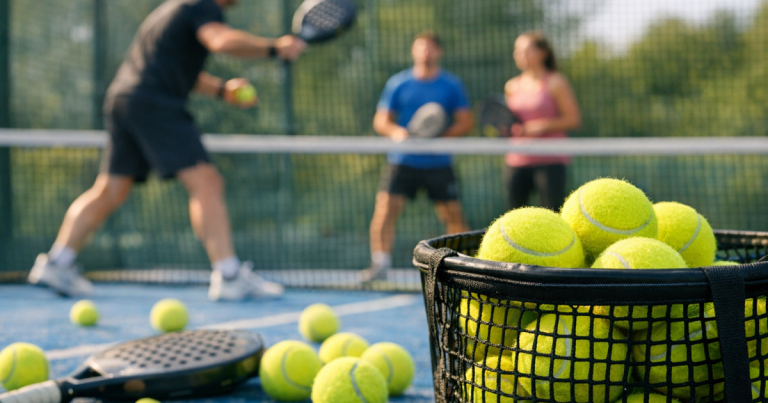
For UK beginners, the main limitation is court time. Indoor courts, evening slots and popular clubs can book up quickly, so a 90-minute technical session is not always realistic. The better approach is to choose one drill that fits into the first 10 to 15 minutes of a booking, then play points with that theme in mind.
For example, use the warm-up to practise controlled lobs, then spend the first set rewarding yourself for choosing the lob at the right moment rather than trying to win every point immediately. That makes the content easier to transfer into real matches.
Value and learning curve
The value is strongest if you already have a weekly routine. A beginner who plays once or twice a week, watches one lesson, writes down one cue and tests it on court will likely get more from the resource than someone who binge-watches content without a plan.
It is less compelling for a player who wants fully personalised correction. If your swing feels awkward, you keep getting pain, or every coach gives you different advice, a live coach at your club is still the better first stop. Online coaching is excellent for structure, but it cannot see your exact timing, grip pressure or body position.
Who it’s best for / who should skip it
Best for: newer padel players who already understand the basics, play regular club games, and want a clearer practice plan. It is especially useful if you enjoy learning visually and can persuade a partner to spend part of a booking on drills rather than only match play.
Also good for: improvers moving from casual games into more organised club play. If you are starting to notice repeated patterns, such as losing the net too easily or panicking against lobs, structured online drills can give you a helpful route forward.
Skip it for now if: you have never played padel, do not yet understand the walls or scoring, or want direct technical correction from the first session. In that case, book a beginner group lesson first, then use online resources to reinforce what you learnt.
Be selective if: you are easily overloaded by coaching content. Choose one theme per week. For most beginners, “better ready position at the net” is more useful than trying to fix volleys, lobs, bandejas and returns in the same session.
Alternatives
The closest alternative is another online coaching platform with a slightly different teaching style and structure. If you want to compare the fit before choosing where to spend your practice time, our Better Padel Coaching review is the most relevant next read.
A second alternative is local, in-person coaching at your club. This is usually better for first-session fundamentals, grip checks, movement correction and confidence if you feel unsure on court. The ideal setup for many beginners is simple: take occasional live coaching, then use online drills to keep practising between lessons.
Clear CTA: if you are torn between options, choose the one that best matches your next four court sessions, not the one with the biggest content library. The right coaching resource is the one you will actually use.
Helpful questions
Is The Padel School suitable for a complete beginner?
It can help, but it is better once you have played a few times and understand the basic rules, walls and scoring. Complete beginners may benefit from a group lesson first.
How many drills should I practise in one session?
One or two is enough. Beginners improve faster when they repeat a simple theme properly rather than rushing through several unrelated drills.
Can it replace a padel coach?
Not fully. It can give structure, ideas and demonstrations, but it cannot watch your technique or correct mistakes live.
Do I need a regular practice partner?
A partner helps a lot. Some ideas can be tested during warm-ups, but most meaningful drills need someone feeding, returning or playing controlled points.
What should beginners focus on first?
Start with consistency, ready position, simple volleys, basic lobs and court positioning. Leave advanced spin and high-speed attacking patterns until the foundations feel reliable.
Verdict + score
The Padel School review verdict is positive: it is a well-presented, genuinely useful coaching resource for beginners who are ready to practise with purpose. It is not a magic shortcut and it will not replace live feedback, but its drills and explanations can make club sessions feel more focused, especially once you are playing regularly and want to move beyond guesswork. The score is 8.4/10.
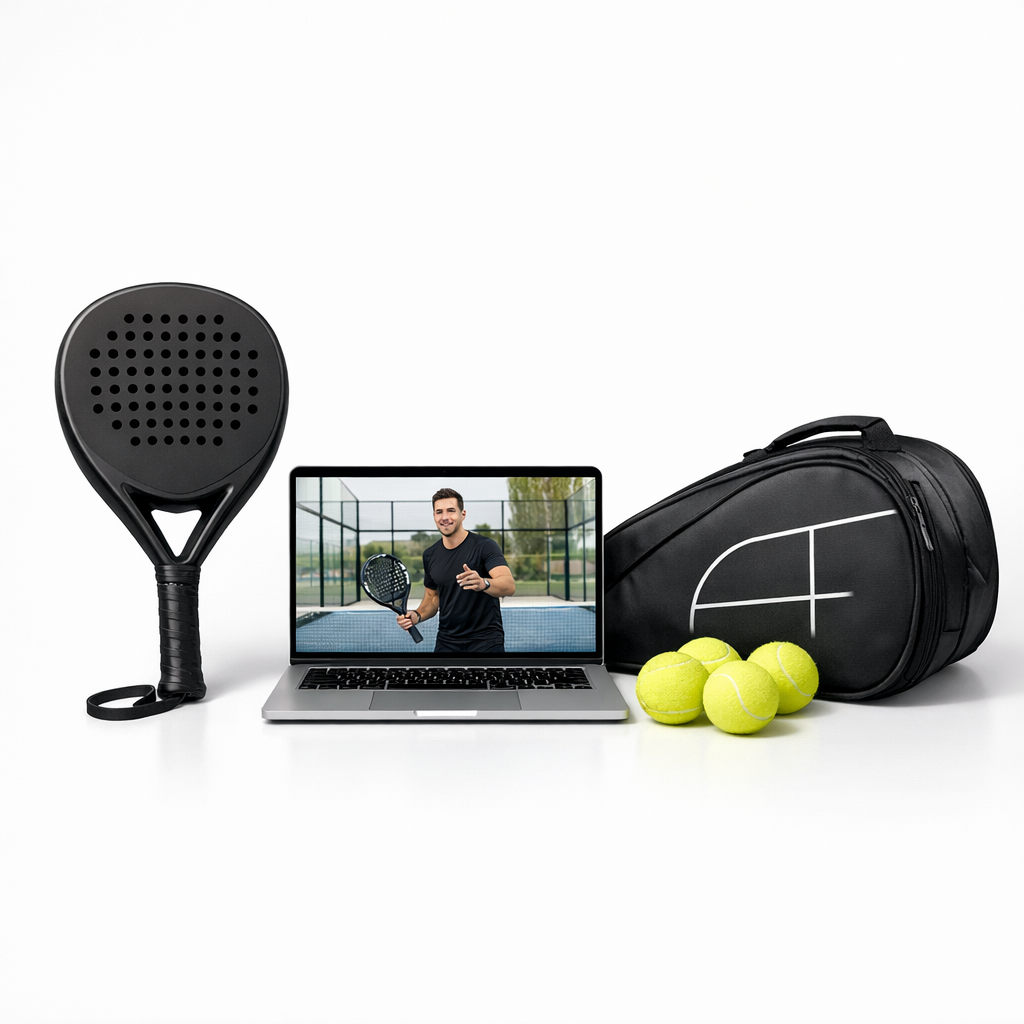
The Padel School
It is not a magic shortcut and it will not replace live feedback, but its drills and explanations can make club sessions feel more focused, especially once you are playing regularly and want to move beyond guesswork.
You might also like: Adidas Padel Bag vs Head Padel Bag: Which Should Beginners Buy?.