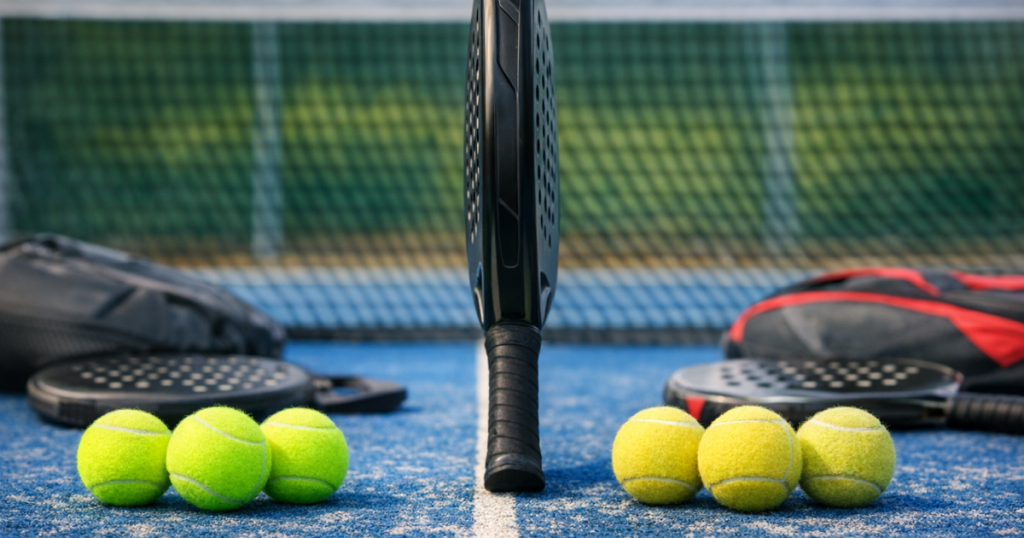
Buying balls feels like a small decision until you open a tube that plays too fast, dies after one session, or feels nothing like the balls used at your local club. If you are weighing up Babolat padel balls vs Dunlop padel balls, the right choice is less about brand loyalty and more about how often you play, where you play, and whether you want a lively or steady feel.
For most beginners and early club players, Dunlop is the safer starting point if you want a familiar, predictable ball for social games. Babolat is well worth considering if you like a crisper feel and want to compare a more responsive ball once your rallies are becoming longer and cleaner.
At a glance
- Choose Babolat if you want a lively, responsive feel and you are happy to experiment with ball speed as your timing improves.
- Choose Dunlop if you want a dependable club-style option for regular matches, coaching sessions and mixed-ability games.
- For complete beginners, start with one tube rather than a bulk pack, because ball feel is personal and varies by court, weather and playing level.
- For UK play, remember that colder outdoor sessions can make any padel ball feel less lively, while indoor courts usually give a more consistent bounce.
- Best value check: compare cost per tube, not just headline multi-pack pricing, and avoid buying more than you can use before the balls lose pressure.
If you are still building your first kit bag, it is worth pairing this decision with a simple padel starter checklist so you do not spend heavily on small extras before you know what you actually use.
Side-by-side: Babolat padel balls vs Dunlop padel balls
Both brands make recognisable, padel-specific balls, and both are credible choices for beginners. The differences you notice on court will usually come from the exact model, how fresh the tube is, court conditions and your own contact quality. That said, there are useful buying patterns.
- Feel off the racket: Babolat options are often chosen by players who like a crisp, lively response. Dunlop options tend to appeal to players who want a steady, familiar ball for rallies and match practice.
- Beginner friendliness: Dunlop is slightly easier to recommend as a first trial tube because its feel is usually less divisive. Babolat can be a good second comparison once you are hitting more consistently.
- Club use: Dunlop balls are common in racket-sport settings, so some players find them immediately familiar. Babolat also has strong racket-sport credibility, especially if you already use Babolat gear.
- Durability expectations: Do not judge either brand from one old tube. Pressurised padel balls naturally lose bounce with use, and a ball used in a long, sandy, outdoor session will not feel the same as one used indoors for light drilling.
- Value: The better buy is the ball you will actually use while it is fresh. A discounted multi-pack can still be poor value if the last tubes sit in a cupboard for months.
The Babolat case: lively, crisp and good for sharper practice
Babolat makes sense if you want a ball that gives clear feedback when you strike it well. A model such as Babolat Padel Tour is the kind of option players often look at when they want something more responsive than a basic training ball. If your group is starting to hit cleaner volleys, controlled bandejas and longer baseline exchanges, that more alert feel can make sessions more enjoyable.
The possible downside is that lively balls can make beginner mistakes feel bigger. If you are still learning how much racket face to use, a faster-feeling ball may fly deeper than expected or make defensive lobs harder to judge. That does not make Babolat a bad choice; it simply means it may suit players who are just past the “first few sessions” stage rather than those who are still learning basic contact and court positioning.
Babolat can also suit players who already use a lighter, control-focused racket and want a ball that does not feel too dull. If you are still deciding what racket type fits you, the feel of the ball and racket together matters more than either item in isolation. A forgiving racket paired with a responsive ball can be a nice balance, while a powerful racket and a lively ball may feel harder to tame. For that broader decision, the guide on choosing your first padel racket without overspending is a useful next step.
The Dunlop case: dependable, familiar and easy to share
Dunlop is a straightforward choice for regular beginner matches because it tends to feel familiar to a wide range of players. If you are buying balls for a social four, a coaching group, or a club box league where standards vary, a Dunlop tube is unlikely to feel like a strange experiment. Options such as Dunlop Pro Padel are widely recognised by padel players looking for a match-style ball.
That predictability matters more than beginners often realise. In early padel, you are trying to learn timing, court position and shot selection. If the ball feels wildly different from week to week, it becomes harder to know whether a mistake came from your technique or from a change in equipment. A steady ball helps keep the learning environment simple.
Dunlop is also a sensible pick if you are responsible for bringing balls to a mixed group. In that situation, you do not need the most exciting option; you need something everyone can settle into quickly. For regular club play, that can be more valuable than a ball that feels great to one player but too quick to another.
Which lasts longer?
It is tempting to ask whether Babolat or Dunlop lasts longer, but the honest answer is that ball life depends heavily on use. Padel balls are pressurised, so they lose bounce over time once opened. They also wear differently depending on court surface, rally length, weather, player level and how hard your group hits.
For a beginner social game, a fresh tube from either brand should normally be fine for a full session. After that, the question is whether the balls still bounce consistently enough for the standard of play you want. They may remain usable for casual drills, warm-ups or basket feeding after they no longer feel right for a proper match.
In Great Britain, outdoor conditions can make this more noticeable. Cold weather can make balls feel flatter, while damp courts and heavier sand can take life out of the bounce. If you mainly play indoors, you may get a more consistent impression of each brand because the environment changes less from session to session.
Best choices by playing situation
Your first few padel sessions
Pick Dunlop first unless your coach or club uses something else. At this stage, you need consistency more than sharp performance. A model such as Dunlop Team Padel is the type of ball beginners may compare when looking for an accessible option for practice and friendly rallies. Check the current product details before buying, because packaging and availability can change.
Regular club nights
Dunlop is still the easiest default for shared games, especially when you are playing with new partners. It gives you a sensible baseline. Once your group knows what it likes, try one Babolat tube on the same court and compare the first 20 minutes, the end of the session and the next use.
Coaching and drills
For coaching, follow the coach’s preference if they specify one. If you are buying for your own basket work, do not overspend on premium tubes just to feed repetitive drills. Freshness and quantity may matter more than having the liveliest ball. Keep older balls separate from match balls so your practice remains predictable.
Players who like a faster-feeling game
Babolat is worth testing if you enjoy quick net exchanges and want the ball to come off the racket with a bit more zip. Babolat Court Padel is one recognisable Babolat option shoppers may see when comparing everyday padel balls. As always, check the current tube format and retailer details rather than assuming every listing is the same.
Cold outdoor evenings
If you play outdoors through colder months, do not judge a brand too harshly from one chilly evening. Any ball can feel slower and lower in those conditions. Bring a fresh tube for matches that matter, and save older balls for warm-ups or simple practice.
Common buying mistakes
- Buying tennis balls instead: Padel balls and tennis balls are not the same thing. Use padel-specific balls so the bounce and feel suit the game.
- Choosing by brand alone: Babolat and Dunlop both have more than one padel ball option. Compare the actual model, tube size and intended use.
- Bulk buying too early: A large pack only makes sense if you play often enough to use the tubes while they are fresh.
- Mixing old and new balls in one game: This makes rallies inconsistent. Keep match balls together and use older balls for practice.
- Blaming the ball for every mistake: Beginners often misread bounce, spacing and racket angle. A different ball can help, but it will not replace better footwork and shot choice.
- Ignoring what your club uses: If your local club regularly supplies a particular ball, practising with something similar can make match play feel less surprising.
How to test them fairly
The best comparison is simple: buy one fresh tube from each brand, use them on the same type of court, and avoid testing one indoors and the other outdoors in different weather. Warm up properly, then compare serves, bandejas, volleys, lobs and glass rebounds. Do not decide after five hits; some balls feel different once rallies settle.
After the first session, keep both sets separate and try them again at your next practice. Notice which one still feels consistent enough for your level. If one ball feels great for 30 minutes but drops off quickly for your group, the better match-day choice may be the one that stays predictable for longer.
If you are playing organised sets, consistency also helps with rhythm and confidence. Newer players sometimes focus so much on equipment that they forget the match basics, including when to change ends and how scoring works. If that sounds familiar, the guide to calling and tracking the score in padel will make your next club game smoother.
Value for money: what to check before buying
Padel ball value is not only about the lowest tube price. Check how many balls are included, whether you are buying single tubes or a multi-pack, and whether the listing clearly identifies a padel ball rather than a tennis ball. If buying online, read the product title carefully because search results can mix racket sports together.
For casual players, the sweet spot is usually a small number of fresh tubes rather than a cupboard full of ageing stock. If you play once a month, a bulk pack may not be sensible. If you play two or three times a week with the same group, buying several tubes can be practical as long as you store unopened tubes properly and rotate them sensibly.
Also think about who pays. If one player always brings the balls, agree a simple rotation or split the cost. That keeps the decision relaxed and stops one person feeling they must buy the cheapest option every time.
FAQ
Are Babolat padel balls better than Dunlop?
Not automatically. Babolat may suit players who like a crisper, livelier feel, while Dunlop is an easy default for predictable beginner and club play. The better choice is the one your group plays well with consistently.
Can beginners use faster-feeling padel balls?
Yes, but they may make control harder at first. If you are still learning contact and court position, start with a steady ball and try a livelier option once rallies become more consistent.
How many sessions should one tube last?
For match play, many players prefer a fresh tube regularly because pressurised balls lose bounce after opening. Older balls can still be useful for warm-ups, simple drills and casual practice.
Should I buy the same balls my club uses?
Often, yes. Using a similar ball to your local club makes coaching, social games and matches feel more familiar, which helps beginners judge bounce and timing.
Do padel balls need special storage?
Keep unopened tubes sealed and store them away from extreme heat, cold and damp. Once opened, separate newer match balls from older practice balls so you know what you are using.
The sensible choice for most beginners
If you want the safest first purchase, choose Dunlop. It is dependable, widely recognised and well suited to mixed-ability club games where predictable bounce matters more than excitement. It is the ball most beginners are least likely to overthink.
If you already play regularly and want a slightly sharper, more responsive feel, try Babolat next. It can make rallies feel cleaner and more energetic when your timing is improving, but it is worth testing one tube before committing to a multi-pack.
The most practical answer is to treat balls as a small experiment, not a permanent identity. Buy one tube of each, test them on your usual court, and choose the one that helps your group rally longer, serve with confidence and enjoy the game more.
Quick Buying Links
Babolat Padel Balls
If you are weighing up Babolat padel balls vs Dunlop padel balls, the right choice is less about brand loyalty and more about how often you play, where you play, and whether you want a lively or steady feel.
Dunlop Padel Balls
If you are weighing up Babolat padel balls vs Dunlop padel balls, the right choice is less about brand loyalty and more about how often you play, where you play, and whether you want a lively or steady feel.