Fast club games can make ordinary trainers feel vague: you plant for a bandeja, pivot towards the glass, then realise your foot is doing more sliding inside the shoe than the sole is doing on court. This Babolat Movea 2 review looks at whether Babolat’s support-first padel shoe is the right kind of steady for beginner and improving players, or whether it gives up too much quickness for those who like a lighter, more minimal feel.
Quick verdict: the Movea 2 is most appealing if you value a planted base, side-to-side security and confidence during awkward defensive movements. It is not the obvious pick for players who want the lightest, raciest feel, but for regular club sessions it makes a lot of sense.
Product overview
The Babolat Movea 2 Padel Shoes sit in the part of the padel shoe market aimed at stability rather than pure speed. That matters because padel is not just a straight-line sport. You shuffle, split-step, turn near the glass, brake hard into volleys and recover after low balls. A shoe that feels secure during those movements can help beginners play with less hesitation.
Babolat has a long association with racket sports, and the Movea line is built around padel-specific movement rather than being a generic gym shoe with a grippy sole. The key appeal here is simple: it feels like a shoe designed to keep your foot contained when the rally becomes messy. For newer club players who are still learning court positioning, that can be more useful than shaving a little weight from the shoe.
The trade-off is that supportive shoes can feel more substantial underfoot. If your favourite court shoe is very light and flexible, the Movea 2 may feel more protective than lively at first. That is not necessarily a flaw, but it does make fit-testing important. If you are still building your first padel kit alongside shoes, it is worth pairing this decision with sensible racket choices too; our guide on choosing your first padel racket for club play covers that part of the setup.
Key specs
- Product type: dedicated padel shoes for club and recreational play.
- Brand and model: Babolat Movea 2 Padel Shoes.
- Main design emphasis: support, containment and stability for padel footwork.
- Surface suitability: check the outsole pattern against the courts you usually play on, especially sanded artificial turf and newer textured surfaces.
- Fit considerations: try with the socks you actually play in and check forefoot width, heel hold and toe room before committing.
- Use case: regular padel sessions, coaching drills, social matches and beginner-to-intermediate club play.
- Price and availability: varies by UK retailer, size and colourway, so verify current stock and returns terms before buying.
Pros and cons
Pros
- Supportive feel suits the stop-start nature of padel.
- Good option for players who want more confidence when moving laterally.
- More padel-appropriate than running shoes or general gym trainers.
- Feels aimed at regular club use rather than occasional casual wear.
- Helpful for players who prefer a secure, planted base before focusing on faster movement.
Cons
- May feel less nimble than lighter, speed-focused padel shoes.
- Players with very narrow or very wide feet should be careful with sizing and fit checks.
- Not the right buy if you mainly want a soft lifestyle-style trainer feel.
- Outsole suitability should be checked against your local court surface rather than assumed.
- Colourway and size availability can vary between UK retailers.
Performance in real use
Fit and lockdown
The Movea 2 makes the most sense when the fit is snug without pinching. For padel, heel hold matters because loose movement inside the shoe can make split-steps and short recovery steps feel sloppy. When trying them on, lace them properly, then mimic a few side-steps, small lunges and short pivots. Your heel should stay put, and your toes should not crash into the front of the shoe.
Beginners sometimes buy court shoes too roomy because they feel comfortable when standing still. That can backfire once rallies start. Leave enough toe space for comfort, but do not choose a size that lets the foot slide around. If you use thicker sports socks, test the shoes with those rather than thin everyday socks.
Support during lateral movement
This is the main reason to consider the Movea 2. Padel asks for repeated sideways movements, half-turns and quick checks of momentum. A support-focused shoe helps you feel less wobbly when you are pulled wide or when you have to recover quickly after playing off the glass.
For newer players, that extra steadiness can improve confidence. You are less likely to feel as though your shoe is folding underneath you when you push back towards the centre. The benefit is most noticeable in social matches where points are unpredictable and your footwork is not yet automatic.
Comfort over a full session
Comfort in padel is not just about softness. A shoe can feel plush for ten minutes and still become tiring if it lacks structure. The Movea 2 feels better suited to players who want support throughout a full coaching session or match night. If you often play for 90 minutes or more, that stable feel can be reassuring.
That said, comfort is personal. Pay attention to pressure across the forefoot, the top of the foot and around the ankle collar. Walk, jog lightly and side-step before removing tags. UK retailers vary on returns policies once footwear has been worn, so check the terms before using them on court.
Grip and court feel
Grip is where padel shoes need to balance traction with controlled movement. Too little grip and you slide when pushing off; too much and pivots can feel sticky. The Movea 2 should be assessed on the actual surface you play on, because club courts in Great Britain do not all feel identical. Older sanded courts, newer turf and indoor surfaces can change how any shoe behaves.
Look for controlled stopping rather than a locked-in, jarring sensation. During warm-up, test small shuffles, braking steps and turns near the side glass. Good footwear will not fix poor positioning, but it can make basic court habits easier to repeat. For newer players, those habits sit alongside simple club awareness, such as the points covered in our guide to padel etiquette for new players.
Durability and care
No padel shoe lasts forever, especially if you play several times a week. The main areas to monitor are the outsole, toe drag zones, inner lining and any creasing where the shoe flexes. If grip starts to fade or the upper no longer holds your foot securely, the shoe may still look acceptable but perform less well.
Basic care helps. Let the shoes dry naturally after play, loosen the laces when taking them off, and avoid using them as everyday trainers. Wearing padel shoes to the shops or on pavements can wear the outsole in ways that do not help on court.
Support versus speed
The title question is the real decision: support over speed? For the Movea 2, yes, that is the main character. It is more convincing as a dependable club shoe than as a featherlight option for players who rely on explosive, darting movement. If you are still developing footwork, that is not a bad compromise.
Speed-focused players may prefer something that feels lower, lighter or more flexible. But many beginners do not lose points because their shoes are a few grams too heavy; they lose points because they arrive off-balance, slip during recovery or feel unsure pushing into the next shot. For that audience, support is a sensible priority.
Who it’s best for / who should skip it
Best for
- Beginner and improving club players who want a secure, stable padel shoe.
- Players moving from running shoes or gym trainers into proper court footwear.
- Anyone who feels unsteady during side-to-side movement or defensive recoveries.
- Regular social players who value comfort and control across longer sessions.
- Players who prefer a more protective feel over a very stripped-back shoe.
Skip it if
- You want the lightest possible padel shoe for speed-first movement.
- You strongly prefer a very flexible, minimal underfoot feel.
- Your foot shape does not suit the fit after proper try-on testing.
- You only play very occasionally and are not ready to invest in dedicated padel footwear.
- Your local court surface demands a different outsole style after checking with the club or retailer.
Alternatives
If the Movea 2 feels too substantial, the Babolat Jet Premura 2 Padel Shoes is worth trying as a Babolat alternative with a different on-foot feel. Do not assume it is automatically better; try both if possible and choose the one that gives you the best mix of heel hold, forefoot comfort and court confidence.
Another option to try is the Asics Gel-Padel Pro 3, particularly if you already know ASICS court shoes tend to suit your feet. Again, verify current sizing, outsole suitability and retailer returns terms rather than buying on brand name alone.
Whichever route you take, test shoes with padel movements rather than just walking around. Short lateral steps, split-steps and controlled braking tell you more than standing in front of a mirror. For a wider checklist, use our guide on how to test padel gear before you buy.
Helpful questions
Can beginners wear the Babolat Movea 2?
Yes, beginners are one of the more natural audiences for it. The supportive feel is useful when you are still learning how to move, stop and recover efficiently on a padel court.
Is it better than using running shoes for padel?
For regular play, yes. Running shoes are built mainly for forward movement, while padel shoes are intended for lateral stops, turns and court grip. That difference becomes clear as rallies get faster.
Should I size up in padel shoes?
Do not size up automatically. Try your normal size first, then check toe room, heel hold and width with your playing socks. The right size should feel secure without crushing the toes.
Is the Movea 2 too heavy for match play?
Most beginner and club players are unlikely to find support a problem in match play. If your game depends on a very light, fast shoe feel, try it against a lighter alternative before deciding.
Verdict + score
The Babolat Movea 2 Padel Shoes are a strong choice for beginner and improving club players who want confidence underfoot more than a barely-there feel. Their appeal is not about looking flashy or chasing maximum speed; it is about feeling stable during the movements that make padel awkward at first: side-steps, pivots, quick stops and recoveries from the glass.
They are not perfect for everyone. Very speed-focused players, or anyone who dislikes a more supportive court shoe, should try alternatives before buying. But for regular club padel in Great Britain, the Movea 2 is easy to recommend as a sensible, supportive option if the fit works for your feet. Score: 8.2/10.
Final thoughts
Overall, Babolat Movea 2 Padel Shoes earns a score of 8.2/10/10. It is a strong option for readers who want the benefits discussed above, while still being worth comparing against the alternatives before buying.
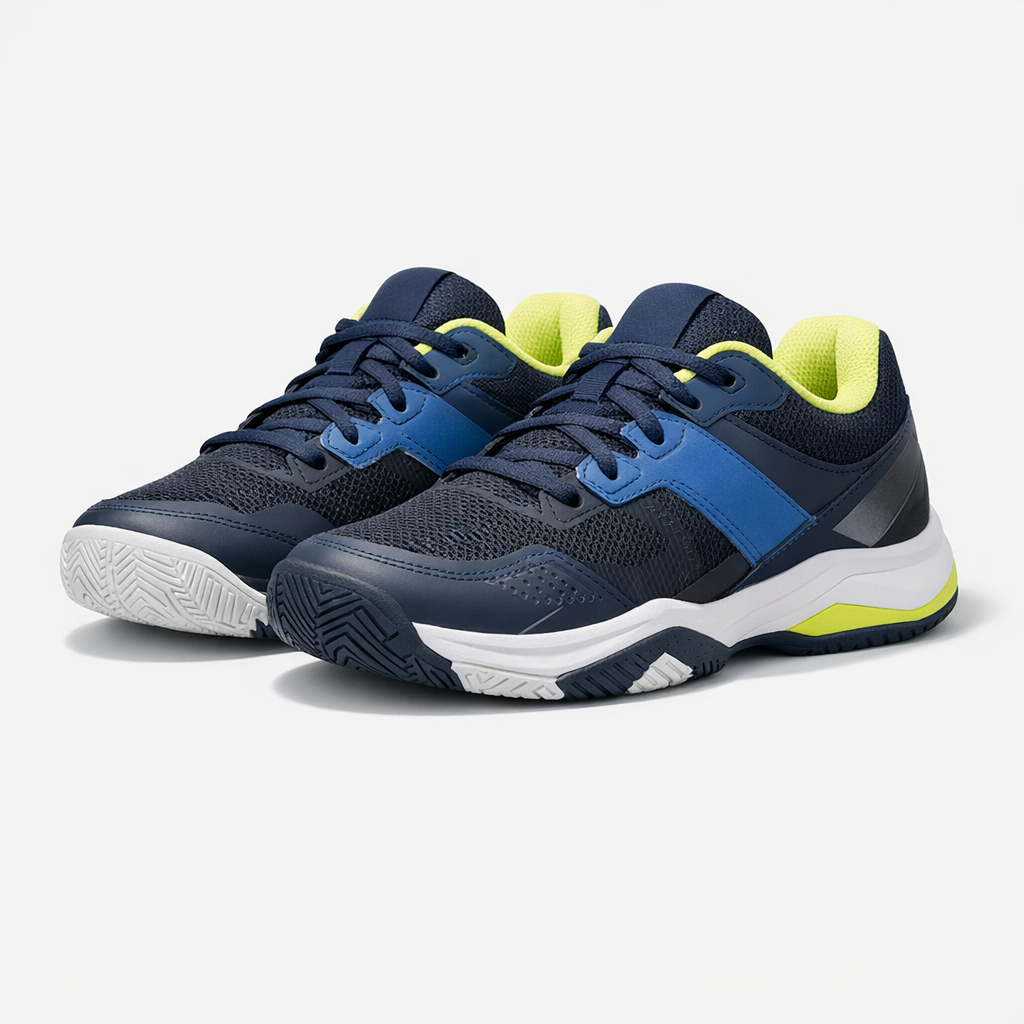
Babolat Movea 2 Padel Shoes
But for regular club padel in Great Britain, the Movea 2 is easy to recommend as a sensible, supportive option if the fit works for your feet.