A sensible budget for starter padel gear depends on how often you expect to play, whether your club rents rackets, and whether you already own suitable court clothing. Most new players do not need a full premium kit on day one.
If you are still deciding whether padel will become a regular habit, spend enough to play comfortably and safely, but keep the big purchases until you understand your preferences.
At a glance
- First taster session: £0–£30 beyond court fees if you can borrow or rent a racket.
- First few weeks: £40–£120 is often enough for basic accessories, balls, and suitable footwear if you already have sports clothes.
- Regular club play: £150–£300 is a realistic starting range if you are buying your own racket, shoes, overgrips, balls, and a simple bag.
- Where to prioritise: shoes first, then racket, then small accessories that make match days easier.
- Where to be cautious: expensive advanced rackets, oversized bags, and duplicate accessories before you know what you actually use.
What you actually need for your first sessions
Padel looks gear-heavy from the outside, but your first few sessions can be simple. You need a racket, balls, suitable footwear, comfortable sports clothing, and water. If you are playing at a UK club, racket hire is commonly available, though you should check before booking because policies and stock vary.
If you are completely new to the sport, start by understanding the game itself. The basics of scoring, walls, serving and doubles positioning will influence what gear matters most. If you want that foundation first, read what padel is and how the game works for new players.
For clothing, you do not need padel-specific kit immediately. Breathable sports tops, shorts or leggings, and socks you would trust for tennis, badminton or gym court work are usually fine. Avoid anything restrictive, overly heavy, or likely to hold sweat during a one-hour session.
A sensible budget for beginner padel kit
For many new players, the best budget is staged rather than all at once. That means spending lightly for the first session, then upgrading once you know whether you will play weekly, join a box league, or only book the occasional social game.
Budget level 1: trying padel once or twice
If this is a taster session, keep spending very low. Rent or borrow a racket, wear sports clothing you already own, and bring a water bottle. Your main cost may be court hire or the session fee rather than equipment.
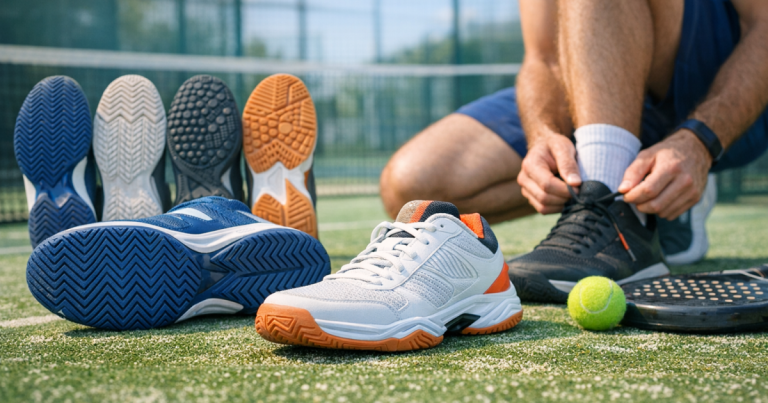
It is still worth thinking about shoes. Padel involves short sprints, turns, split steps and lateral movement. Running shoes can feel soft and unstable on court, while very worn trainers may slide more than you expect. If you already own tennis or court shoes in good condition, use those first.
Budget level 2: playing a few times a month
Once you have played a handful of sessions, a budget of roughly £40–£120 can cover useful basics: overgrips, a tube of balls, a towel, wristbands if you like them, and potentially a basic bag or shoe upgrade. If you are still renting a racket, this level keeps commitment low while making each session more comfortable.
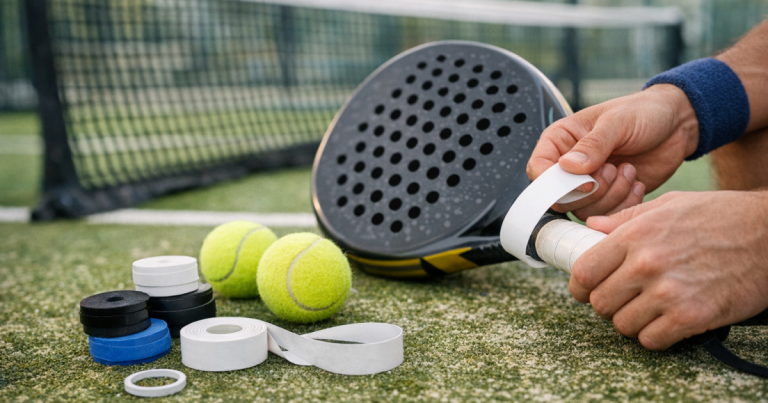
This is also the point where small items start to matter. Fresh overgrips can make a borrowed or entry-level racket feel more secure. A compact towel and spare top make evening club sessions more pleasant. A simple drawstring or sports bag is enough if you are not carrying much.
Budget level 3: playing weekly
If you are becoming a regular player, expect to spend somewhere around £150–£300 for a practical setup. That might include an entry-level or lower-mid-range racket, padel or tennis court shoes, balls, overgrips, and a basic bag. You can spend more, but you do not have to.
At this stage, owning your own racket becomes more useful because you build consistency with the same weight, balance and feel. You also stop relying on whatever hire racket is available. Before buying, it helps to understand the numbers printed in product listings, so use this guide to padel racket specs and what they mean before you commit.
Where your money matters most
The best use of a beginner budget is not the flashiest racket. It is the gear that helps you move well, grip the racket securely, and turn up prepared for a normal club session.
Footwear: usually the first serious spend
Shoes affect comfort and confidence on court more than many beginners expect. Padel is full of short stopping movements, quick side steps and recovery steps after playing off the glass. A proper court shoe is usually a better spend than upgrading from one beginner racket to a slightly more expensive one.
You do not need the most expensive shoe in the shop, but you should look for stable court support, a sole suitable for the surface you play on, and a fit that does not let your foot slide around. A recognisable padel shoe such as Asics Gel-Padel Pro 3 is one example of the type of product beginners may see when browsing, but the right choice still depends on fit, court surface and comfort.
Racket: buy for control, not ego
New players are often tempted by powerful rackets used by advanced players. That can be a mistake. A more forgiving racket normally helps you keep the ball in play, learn the glass, and build clean contact. If a racket feels heavy, hard to manoeuvre, or punishes off-centre hits, it may slow your progress.
Branded rackets such as the Bullpadel Hack 02 2022 Padel Racket can be attractive when you are browsing, but a premium or performance-focused model is not automatically the right first racket. Check weight, shape, balance and feel rather than choosing by reputation alone.
Accessories: cheap, useful, easy to overbuy
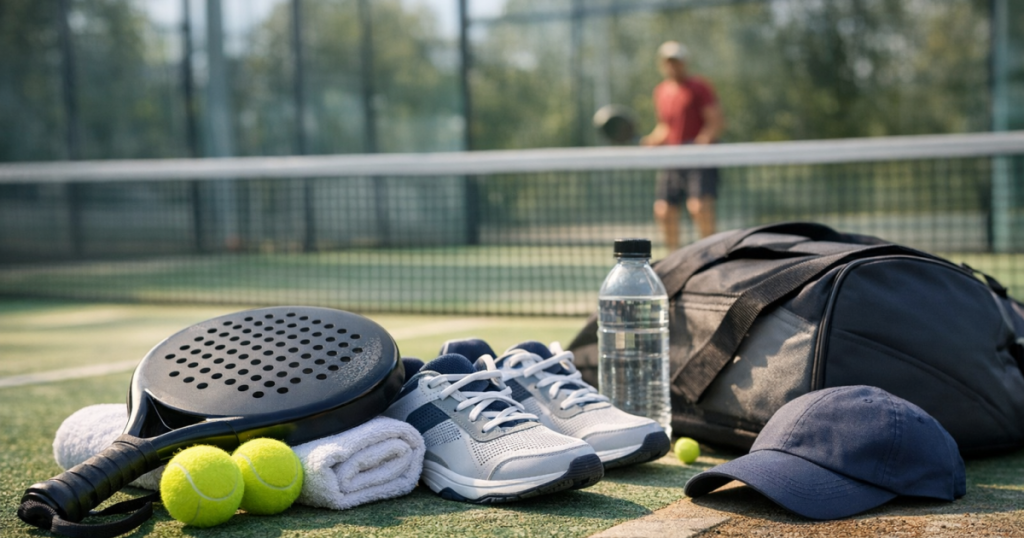
Accessories can make club nights smoother, but they are also where beginners buy too much too soon. A few overgrips, a water bottle, a towel, and a tube of balls are sensible. Multiple wristbands, large bags, sweatbands in every colour, and spare gadgets are not essential.
If you want a simple checklist without overpacking, use the guide to building a simple match-day padel accessories kit. It keeps the focus on items you will actually use at a club session.
Renting first can be the smartest spend
Renting a racket for your first few sessions is not a sign that you are less serious. It can be the most sensible way to learn what you like. After two or three games, you may notice whether you prefer a lighter feel, a larger sweet spot, or a racket that feels more stable on volleys.
Borrowing from friends can also help, as long as you treat their racket carefully and avoid judging too quickly from one short hit. A racket that suits a tall, strong player with a tennis background may not suit someone learning racket sports for the first time.
The trade-off is that hire rackets vary. You may get a different model each time, grip condition may be mixed, and availability can be limited at busy clubs. Once you are playing most weeks, owning a consistent racket usually becomes worth it.
Common beginner spending mistakes
- Buying a top-end racket before learning your style: power-focused rackets can feel exciting in the shop but demanding on court.
- Ignoring shoes: poor footwear can make movement feel awkward and reduce confidence during quick changes of direction.
- Buying a large bag too early: if you only carry one racket, shoes, water and a towel, a simple sports bag may be enough.
- Stocking up on balls too soon: buy a small quantity first and see what your club or playing group prefers.
- Replacing gear instead of improving habits: lessons, social play and basic positioning often improve results more than a new racket.
Hidden costs to remember
Starter equipment is only part of the real cost of taking up padel. You may also need to budget for court bookings, club guest fees, coaching sessions, leagues, replacement grips, and occasional balls. These costs vary widely by area and club, so check local prices before spending your full budget on equipment.
For many UK beginners, a balanced monthly approach works better than one big shopping basket. For example, you might buy shoes this month, keep renting a racket, then buy your own racket after several more sessions. That gives you time to notice what is genuinely limiting your play.
FAQ
Can I start padel without buying a racket?
Yes, if your club offers racket hire or a coach can provide one for a beginner session. Check before booking, and ask whether balls are included or whether you need to bring your own.
Should I spend more on shoes or a racket first?
For most beginners, shoes are the safer first upgrade. Good court footwear supports movement every point, while a very expensive racket will not fix timing, positioning or technique.
Is £100 enough for starter padel gear?
It can be enough if you rent the racket and already own suitable sports clothing. If you also need shoes and a racket, £100 will feel tight unless you find a good deal or buy gradually.
When should I buy my own padel racket?
Buy your own racket when you are playing regularly enough to notice differences between hire rackets. Weekly play is a common point where consistency becomes valuable.
Do beginners need padel-specific clothing?
No. Comfortable sports clothing is fine at the start. Padel-specific clothing can be useful later, but fit, movement and breathability matter more than the label.
Key takeaways
You do not need to overspend to start padel well. If you are testing the sport, rent the racket and use suitable sports kit you already own. If you are playing regularly, prioritise court shoes, then choose a forgiving racket once you understand your preferences.
A staged budget is the best route for most beginners: spend lightly for your first games, invest in comfort and consistency when you become a regular, and avoid premium purchases until they solve a real problem in your game.