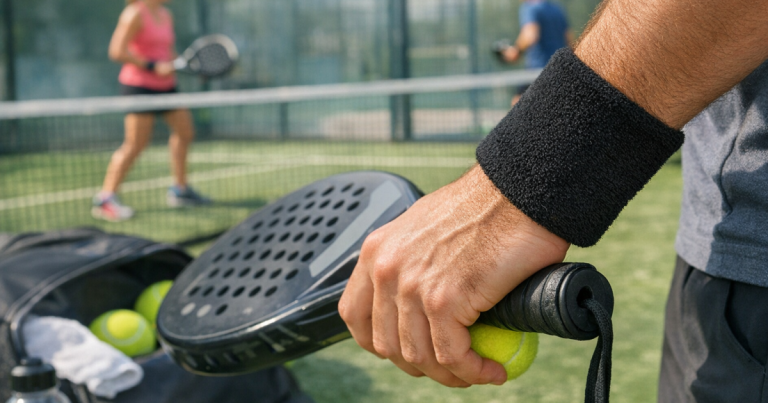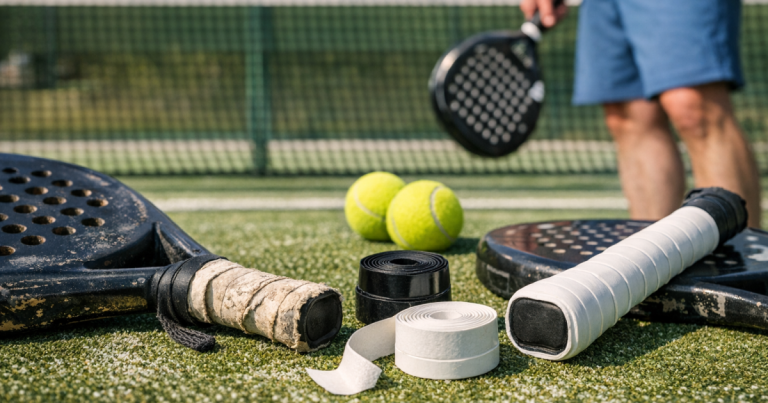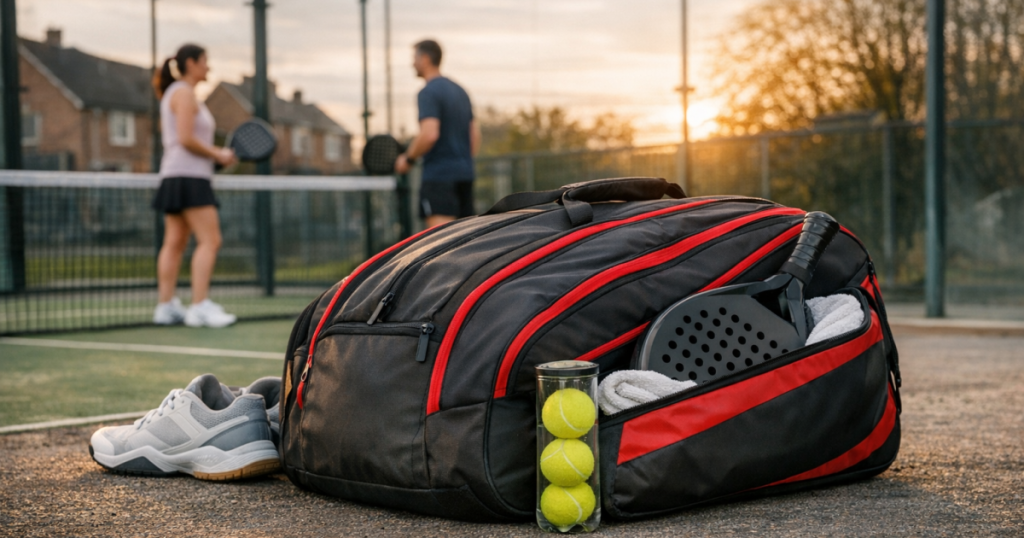
A padel bag seems like a small upgrade until you start turning up with a racket, balls, shoes, spare top, towel and a half-full water bottle loose in the same tote. This Bullpadel Padel Bag review looks at whether it is a sensible step up for beginners who are moving from occasional sessions into regular club play.
Quick verdict
The Bullpadel Padel Bag is a good fit if you want a dedicated padel bag from a recognised brand without overcomplicating your kit setup. Its main appeal is simple organisation: keeping your racket and court essentials together so you can get to a booking without rummaging around at the last minute. Before you buy, check the exact listing photos and dimensions because Bullpadel bag versions can vary by shape, pocket layout and carrying setup.
Product overview
Bullpadel is closely associated with padel equipment, so the Bullpadel Padel Bag feels like a natural option for players who have started to collect dedicated kit rather than borrowing everything at the club. It is not something every first-time player needs immediately, but it becomes useful once you are bringing your own racket, keeping balls in your bag, or heading to sessions straight from work.
The best way to think about it is as a club-session organiser. A general gym bag can work for a while, but a padel bag is shaped around the realities of the sport: a racket that should not be bent or crushed, sweaty clothing after play, spare overgrips, balls and smaller accessories that are easy to lose. If you are still building your setup, it is worth checking your wider kit against the padel starter checklist before deciding how much bag space you really need.
For beginners, the biggest buying mistake is choosing purely by brand or looks. The better question is whether the bag suits your routine. Do you drive to the club or walk from public transport? Do you carry one racket or expect to carry two? Do you change shoes at the venue? Do you need room for work clothes? The Bullpadel Padel Bag is most convincing when those answers point towards needing more structure than a simple drawstring or holdall can provide.
Key specs
- Brand: Bullpadel.
- Product type: padel bag.
- Best use: club sessions, coaching blocks, social games and league nights where you carry more than just a racket.
- Racket storage: check the exact retailer listing for the number of rackets the specific version is designed to hold.
- Compartment layout: verify whether the version you are viewing includes separate spaces for shoes, clothing or accessories.
- Carry options: look closely at the straps and handles in the product images, especially if you walk or cycle to courts.
- Size and weight: confirm the stated dimensions in centimetres and the empty weight before ordering online.
- Care: follow the care details on the product label or retailer page; most padel bags are best kept clean with light wiping rather than heavy washing.
Pros and cons
Pros
- Dedicated padel shape makes more sense than a standard gym bag once you carry your own racket.
- Useful for keeping match-day basics together, reducing the chance of forgetting balls, grips or a towel.
- Bullpadel is a recognised padel brand, which helps if you prefer kit made with the sport in mind.
- Better for regular club play than juggling loose items in a supermarket bag, tote or office backpack.
- Can help separate clean kit from used clothing, depending on the compartment layout of the exact version.
Cons
- Not essential for your very first session if you are borrowing a racket and travelling light.
- The name covers different bag versions, so buyers need to check the precise layout rather than assuming every listing is identical.
- A larger padel bag can feel bulky if you use public transport or have limited storage at home.
- May be more bag than you need if you only play once in a while and carry one racket.
- Online photos do not always make the real-world size obvious, so checking measurements matters.
Performance in real use
For a beginner or improving player, the Bullpadel Padel Bag performs best as a habit-builder. Having one place for your padel kit makes it easier to say yes to a last-minute game, get ready after work and avoid the common scramble for grips, balls and a clean top. That might sound minor, but regular players know that small bits of organisation make club sessions feel less rushed.
Racket protection is the main practical reason to move away from a normal bag. A padel racket is not something you want squeezed under shoes, books or a water bottle. The Bullpadel Padel Bag gives you a more logical place to carry it, though you should still avoid overpacking and check that the racket area suits the number of rackets you intend to carry.
Carry comfort depends heavily on your journey. If you drive to a club, almost any sensible padel bag is easy enough to manage from car to court. If you walk a kilometre or two, use trains, or squeeze into a busy changing area, strap comfort and bag size matter more. Look at the shoulder straps, grab handles and overall shape before buying; the right bag should feel manageable when filled, not just neat in an empty product photo.
Organisation is where this type of bag earns its place. Balls, overgrips, wristbands and keys disappear quickly in an oversized holdall. A dedicated padel bag gives you a better chance of keeping small items where you expect them to be. If you keep several grips in your kit, the advice in our guide on how to keep spare overgrips dry in your padel bag is worth following, because moisture is one of the easiest ways to ruin otherwise useful accessories.
Durability is harder to judge from a product name alone because materials and construction can vary by model and season. Rather than relying on assumptions, inspect stitching, zips, strap attachment points and base reinforcement when the bag arrives. If anything feels weak before you have used it properly, deal with the retailer promptly rather than hoping it will improve with time.
The value case is strongest if the bag removes friction from your routine. If it helps you keep your racket protected, pack faster and feel more prepared at the club, it is doing its job. If it sits half-empty in a cupboard because you only play occasionally, a smaller option may be more sensible.
Who it’s best for / who should skip it
The Bullpadel Padel Bag is best for players who have moved beyond one-off taster sessions and now expect to play regularly. It suits beginners who own a racket, carry spare clothing, keep balls in their kit, or go to games before or after work. It also makes sense for players who like their equipment organised rather than scattered across different bags.
It is less suitable if you are still borrowing all your kit, travelling very light, or unsure whether padel will become a regular habit. In that case, spend your first few sessions learning what you actually carry. You may discover that a compact backpack is enough, or you may quickly realise that a dedicated padel bag will save hassle.
It is also worth skipping if the specific version you find is bigger than your storage or travel routine can comfortably handle. A padel bag should make sessions easier, not become an awkward extra item you dread carrying.
Things readers ask
Do beginners really need a dedicated padel bag?
No, not for a first session. It becomes useful when you own a racket, play regularly and want one organised place for shoes, balls, clothing and accessories.
Can I use the Bullpadel Padel Bag for tennis kit?
Possibly, but check the shape and racket space first. Padel and tennis rackets are different, so do not assume the fit will be ideal for both.
What should I check before ordering online?
Check dimensions in centimetres, strap layout, number of racket spaces, pocket arrangement and the retailer’s return policy. Photos alone can make bags look smaller or larger than they are.
Is a shoe compartment essential?
It is not essential, but it is handy if you change into court shoes at the venue or want to keep used kit away from clean clothing.
Alternatives
The main alternative is a smaller padel backpack. That can be the better route if you walk to courts, carry one racket and do not need much room for clothing. It is easier to store and usually feels less bulky in changing rooms, though it may offer less structure for wider kit.
A general sports holdall is another option if you already own one and want to delay buying more padel-specific kit. The drawback is that your racket may not sit as neatly, and smaller items can become harder to find. If you choose this route, avoid cramming heavy items against the racket face and use smaller pouches for grips, keys and balls.
Verdict + score
The Bullpadel Padel Bag is a sensible upgrade for beginner and early-stage players who are starting to treat padel as a regular part of their week. It is not a must-buy for your first booking, but it makes strong practical sense once you have your own racket and enough kit to justify proper organisation. Buy it if the exact version you find matches your travel routine, storage space and compartment needs; skip it if you still play occasionally and carry very little. My verdict: 8.2/10.
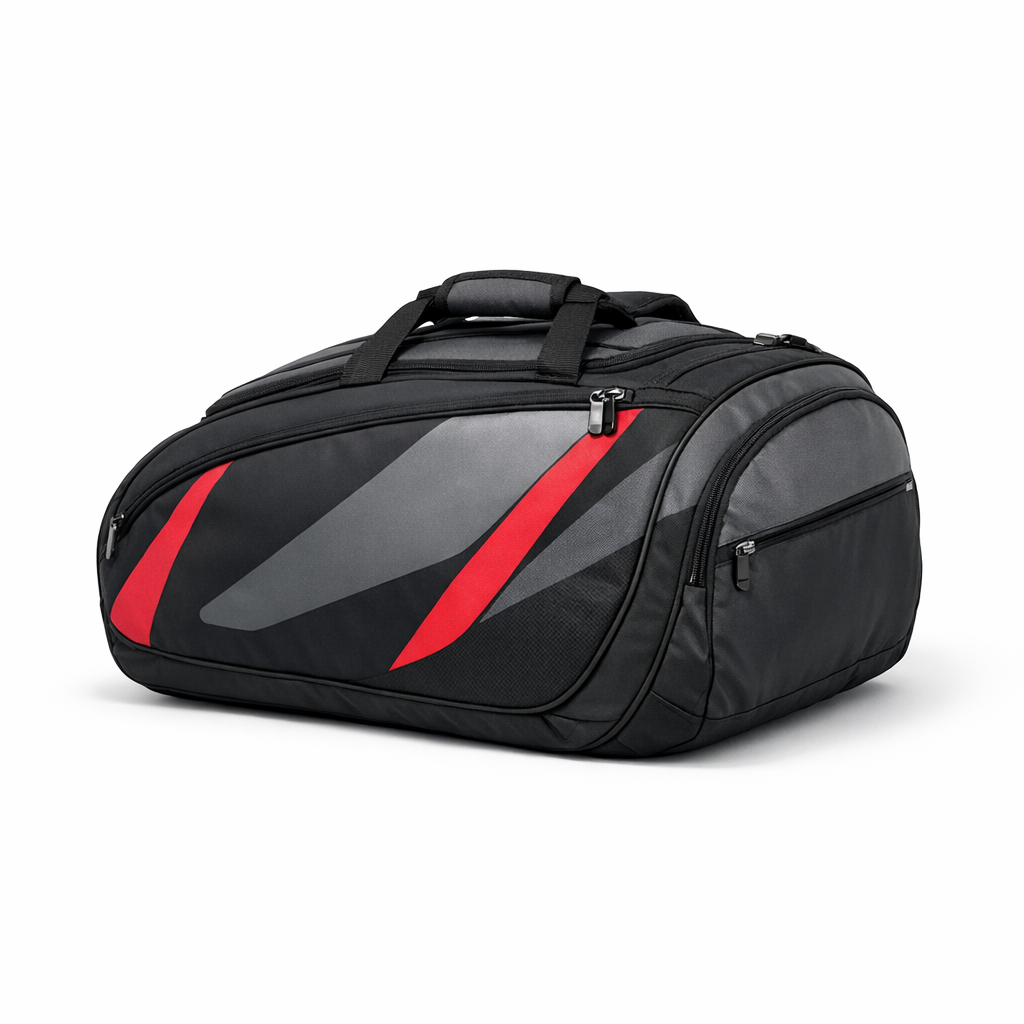
Bullpadel Padel Bag
My verdict: 8.2/ 10.
You might also like: Light vs Heavy Padel Rackets: Finding a Comfortable Weight.