Turning up for your first padel lesson can feel oddly exposing: you know the sport looks fun, but you may not know the scoring, where to stand, or how hard to hit the ball. This Game4Padel Coaching review looks at whether the coaching set-up is a sensible first step for new players in Britain.
The short answer: it is a strong option if you want a structured, club-based route into padel rather than trying to figure everything out through casual games. The main thing to check before booking is the exact session level, coach availability, group size, and whether equipment is included at your chosen venue.
Use it as a way to build confidence, learn the basic patterns, and meet other players. Do not expect one lesson to fix every habit, but a good beginner session should make your next club game feel far less chaotic.
Product overview
Game4Padel Coaching is the coaching side of Game4Padel’s padel activity, delivered through its venues and coaching network. For beginners, the appeal is clear: you are learning in a real club environment, usually close to the courts where you may later book social games, matchplay sessions, or follow-up lessons.
That matters because padel progress is not just about technique. New players need to learn how to start a point calmly, how to move with a partner, when to use the glass, and why trying to hit winners from the back of the court rarely works. A venue-based coaching pathway can help join those dots more naturally than a one-off hit with friends.
The Game4Padel Coaching review verdict at this point is positive, with one important caveat: the experience can vary by venue, timetable, coach, and session format. Before booking, check the live details for your nearest centre rather than assuming every location runs the same beginner programme.
Key specs
- Type: Padel coaching and player development sessions, with beginner-friendly formats depending on venue availability.
- Best use: First lessons, early-stage technique, learning court positioning, and building confidence for club play.
- Location: Venue-dependent across Game4Padel’s GB operations; check your nearest site’s current coaching timetable.
- Session format: May include group coaching, beginner courses, private lessons, or social coaching formats depending on the venue.
- Equipment: Verify whether rackets and balls are provided before you attend, especially if you have not bought your own kit yet.
- Booking details: Check current prices, cancellation rules, level descriptions, and coach information directly with the venue.
- New-player fit: Strong if you want guidance before joining open games or club sessions.
Pros and cons
Pros
- Beginner pathway feel: Coaching linked to a padel venue can make it easier to move from lesson to regular play.
- Useful for nervous first-timers: A coached environment should reduce the pressure of learning everything during a match.
- Good focus areas for new players: Positioning, controlled hitting, serve returns, and partner movement are all better learned early than corrected months later.
- Potential route into local games: Being coached where people actually play can help you understand the club’s levels and session types.
- Less gear pressure: If equipment is available at your venue, you can try padel before committing to a racket purchase.
Cons
- Venue variation: The quality and format of coaching can depend on the coach, group mix, and timetable at your chosen location.
- Beginner labels need checking: “Beginner” can mean complete first-timer at one venue and early improver at another.
- Group size matters: Bigger groups can be fun, but you may get less individual feedback than in a smaller session.
- Availability may not suit everyone: Evening and weekend slots can be popular, so check dates before planning around a course.
- Not a magic shortcut: Coaching helps, but progress still depends on regular practice and match exposure.
Performance in real use
First-session confidence
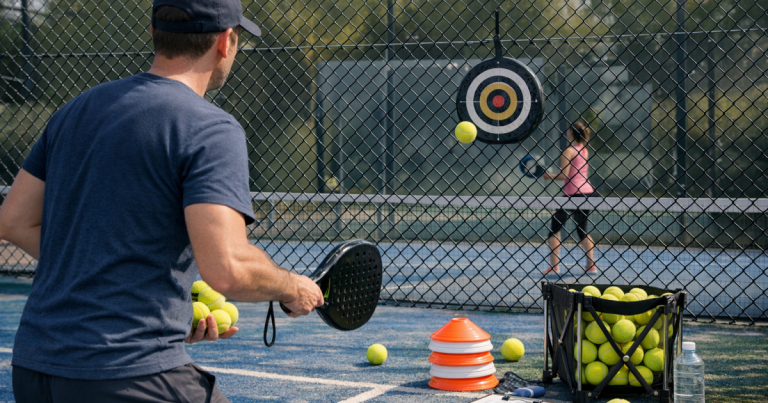
For a new player, the biggest win is not a perfect bandeja or a beautiful glass shot. It is leaving the court knowing where to stand, how to restart a rally, and what “good” looks like at beginner level. Game4Padel’s club-based setting helps here because the lesson environment is close to the real game environment.
A well-run beginner session should spend time on simple rally control, serves, returns, and court positioning rather than rushing into flashy shots. If you are booking, look for session descriptions that mention first-time players, fundamentals, or beginners rather than vague “all levels” wording.
Coaching clarity
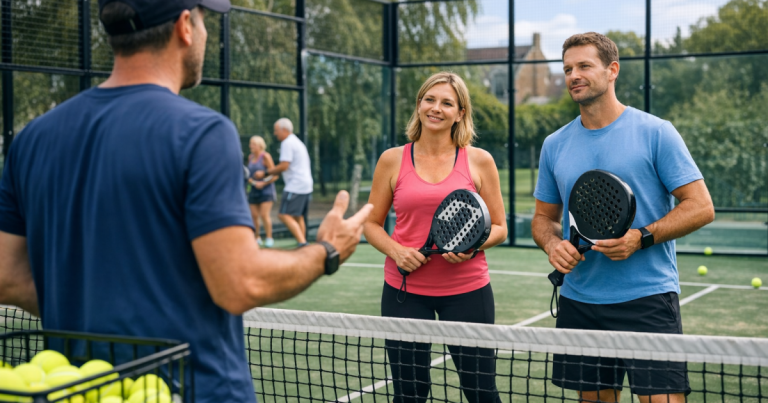
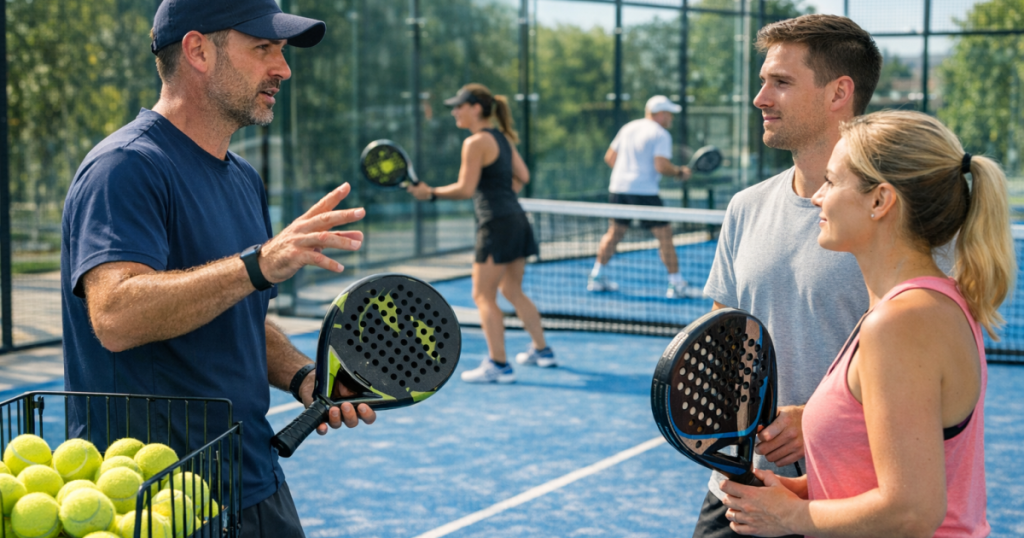
Good beginner coaching is specific without becoming too technical. You want simple cues: recover to the right place, use a shorter swing, let the ball come off the glass, and play with your partner rather than around them. If the coach explains why a decision matters, not just how to hit the ball, the lesson becomes far more useful.
Before booking, check whether the coach or venue publishes level guidance. It is also worth asking how much of the session is instruction, feeding drills, game-based practice, and feedback. A balanced mix usually works best for new players because you need repetition and context.
Group dynamics
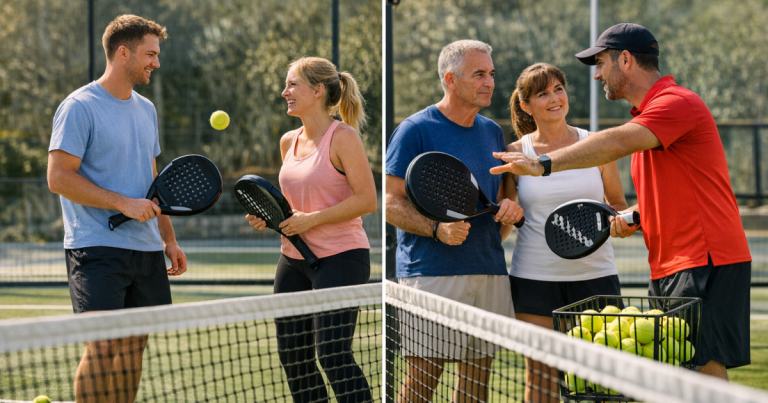
Group coaching can be excellent for beginners because you meet people at a similar stage and see common mistakes from the side of the court. It can also be less intimidating than a private lesson if you are completely new. The trade-off is that feedback is shared, so you may not get as much detailed correction.
If you are anxious about being the weakest player, choose the most clearly labelled starter session you can find. A true beginner group should welcome people who miss the ball, lose track of the score, and need a reminder about where to stand.
Progress into club play
The best test of a beginner coaching programme is whether it helps you join normal club activity. After a few sessions, you should understand enough to take part in an organised social, book a court with friends, or ask to join a suitable level game without feeling lost.
If you already have basic racket-sport experience, you may progress quickly through entry-level content. If not, do not rush. Padel rewards patience, control, and positioning more than raw power. A few lessons at the right pace will usually do more for your game than a string of unstructured matches.
Kit and preparation
New players should not feel pressured to buy a full padel set-up before the first lesson. Confirm whether the venue can provide a racket, and wear comfortable sports clothing with shoes suitable for court movement. If you are not ready to buy yet, read our guide on renting padel gear before buying your own so you can avoid an expensive guess.
Once you are attending regularly, your priorities change. Shoes with stable lateral support and a racket that suits your level become more important than brand names. For a first coaching block, though, your attention is better spent on listening, moving, and learning the rhythm of the game.
Who it’s best for / who should skip it
Game4Padel Coaching is best for new players who want a clear, low-pressure route into the sport. It suits people who have watched padel, played once or twice with friends, or come from tennis, squash, badminton, or pickleball and want to adapt their habits properly.
It is also a sensible option if you want to meet other local players. Many beginners struggle less with the sport itself than with finding suitable games. Coaching at a venue can give you a better sense of the local playing level and what to book next.
You may want to skip it, or choose a different route, if you need highly individual technical work from the start. In that case, a private coach may be more efficient. It may also be less suitable if your nearest venue’s beginner sessions are not at the right time, are too far away, or are labelled too broadly for your confidence level.
Players who already compete comfortably in club matches may find beginner coaching too basic. For them, the better question is whether the venue offers intermediate or tactical sessions rather than starter coaching.
Alternatives
If Game4Padel does not have a suitable session near you, the closest alternative is to find an independent coach or another club programme. The LTA’s coach search can be useful here, and we have reviewed the process in our guide to booking padel lessons through LTA Find a Coach.
Another alternative is to start with social play and add coaching after a few matches. That can work if you are confident, athletic, and happy to learn by making mistakes. The risk is that you may build habits around hitting too hard, standing too deep, or avoiding the glass, which then take longer to correct.
For most complete beginners, one coached starter session before regular matchplay is the cleaner route. It gives you enough structure to enjoy the game sooner and enough context to make better decisions on court.
Helpful questions
Is Game4Padel Coaching suitable if I have never played padel before?
Yes, provided you book a session clearly aimed at first-time or beginner players. Check the level description before paying, as wording can vary by venue.
Do I need my own racket for a Game4Padel lesson?
Not always, but you should confirm with the venue before attending. Many new players prefer to borrow or hire first so they can learn what kind of racket suits them.
Is group coaching or private coaching better for beginners?
Group coaching is usually a friendly, cost-conscious starting point and helps you meet other players. Private coaching is better if you want individual feedback from the first session.
What should I ask before booking?
Ask about the session level, group size, coach, equipment, duration, cancellation terms, and what you should bring. These details affect the experience more than the brand name alone.
How many lessons do new players need?
There is no fixed number, but a short block of beginner sessions often gives better results than one isolated lesson. Try to combine coaching with regular, level-appropriate games.
Verdict + score
Game4Padel Coaching is a strong choice for new players who want a structured, confidence-building entry into padel through a real club environment. Its biggest strength is the bridge from learning basics to joining actual games; its main weakness is that the experience depends on the venue, coach, session format, and timetable you choose. Check the live details carefully, book the most suitable beginner level, and treat the first session as the start of a playing habit rather than a one-off fix. Score: 8.2/10.
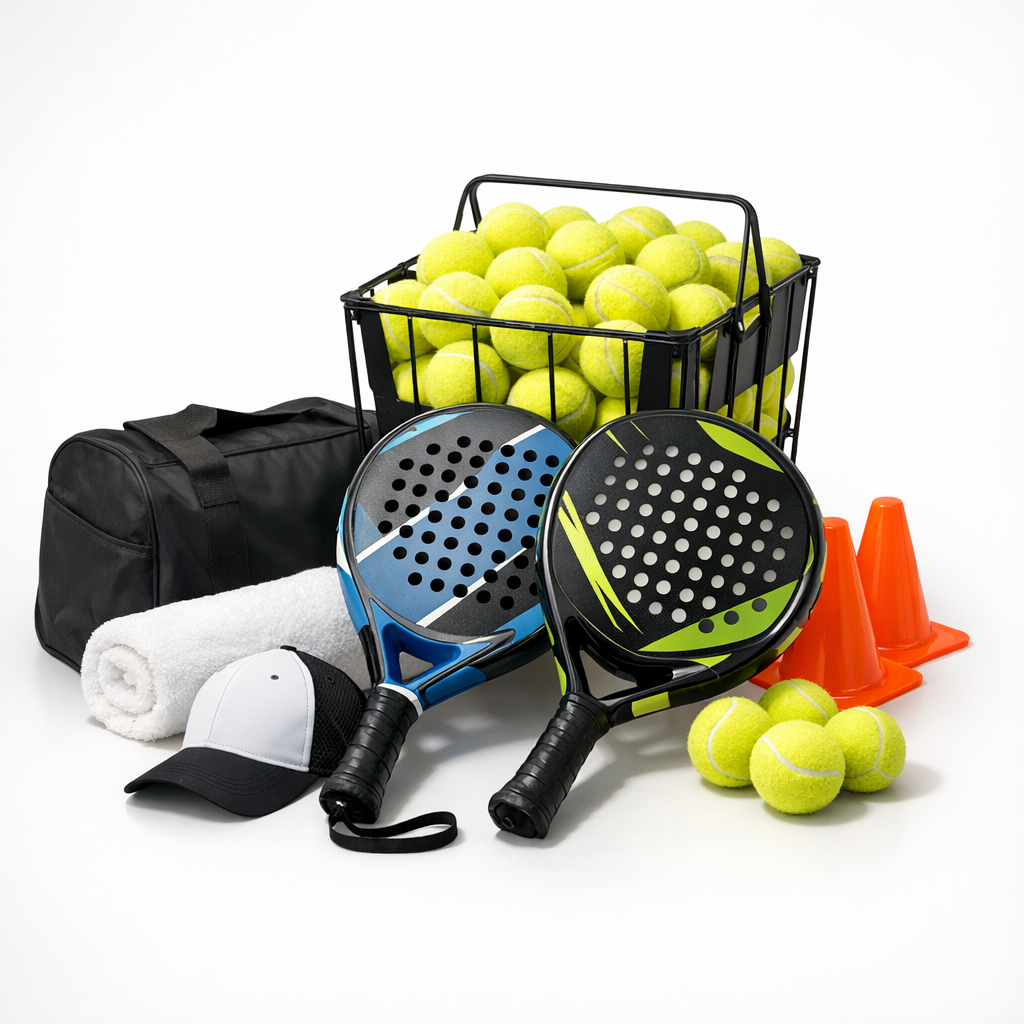
Game4Padel Coaching
Trusted resourcesHel pful external resources related to this topic.British Padel — associationPadel Magazine — mediaSport England — government agency You might also like: How to Practise Bandeja Timing With Easy Feed Drills.
You might also like: How to Practise Bandeja Timing With Easy Feed Drills.