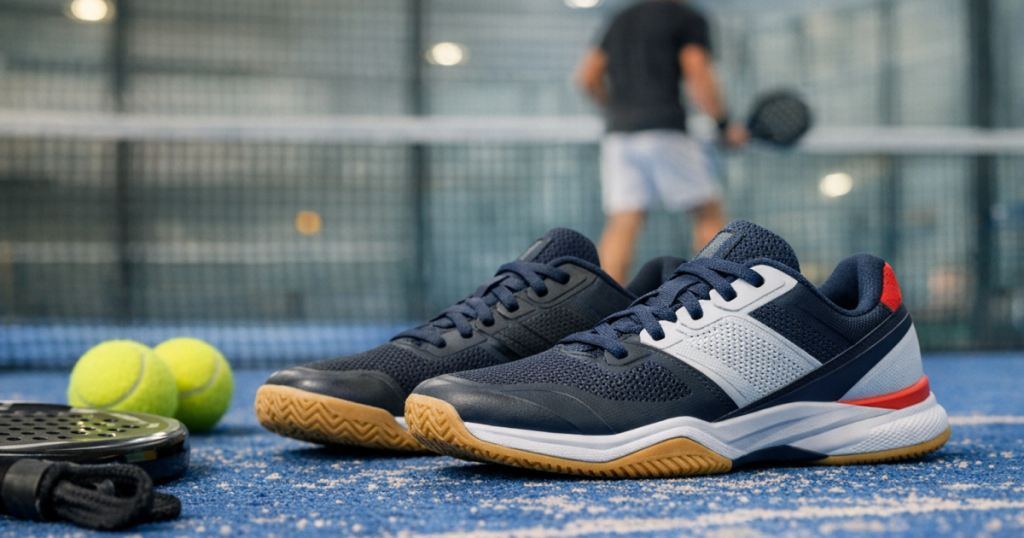
Indoor club courts can make ordinary trainers feel exposed: one late split-step, one dusty corner, and your balance disappears. This Head Sprint Pro 3.0 Padel Shoes review focuses on whether they make sense as a first serious padel shoe for newer players who mostly play under cover at UK clubs.
The short version: they are a sensible upgrade if you want a lighter, more court-specific feel than running trainers, but they are not a magic fix for footwork. The fit, outsole version and your club’s surface still matter.
What to know first
The Head Sprint Pro 3.0 Padel Shoes are best viewed as a performance-leaning club shoe rather than a soft, cushioned all-day trainer. For beginners moving into regular match play, that can be a good thing: padel asks for short side steps, quick stops, small recovery movements and lots of low, balanced positions.
If your current trainers twist under your foot, slide on indoor turf, or leave you feeling hesitant when changing direction, these are worth shortlisting. Try them with the socks you actually play in, check the sole against your club’s court rules, and walk through a few side-to-side movements before committing.
Product overview
The Head Sprint Pro 3.0 Padel Shoes sit in the lane many improving club players eventually reach: you are playing often enough that general gym trainers no longer feel right, but you do not want something overbuilt or uncomfortable for social matches.
On indoor club courts, the main question is not just “are they grippy?” It is whether the shoe helps you feel planted without making movement feel heavy. Padel is full of short reactions rather than long sprints, so a good shoe should help you brake, push off, turn and reset without your foot sliding around inside.
The Sprint Pro line has a sportier feel than a basic beginner shoe. That can suit players who like a close, responsive court sensation. If you prefer a very plush trainer-style feel, you may find them firmer than expected, so trying them on is important.
For club etiquette, shoe choice also affects other people. Indoor venues often care about clean soles, non-marking behaviour and not dragging grit onto courts. Whatever shoe you choose, arrive with dry, court-only footwear where possible and avoid wearing muddy outdoor trainers straight onto the playing surface.
Key specs
- Product name: Head Sprint Pro 3.0 Padel Shoes.
- Brand: Head.
- Product type: padel court shoe.
- Best checked for: indoor padel club courts, short-pile artificial turf and club-approved court surfaces.
- Outsole: verify the exact sole pattern on the retailer listing, as court suitability can depend on the version stocked.
- Fit check: test heel hold, midfoot security and toe room during lateral steps, not just while standing still.
- Care: air them after play, remove loose grit and avoid drying them against direct heat.
Pros and cons
Pros
- More appropriate for lateral padel movement than running trainers or soft gym shoes.
- Good option for players who want a responsive, club-ready shoe feel.
- Works naturally as a first proper upgrade once you start playing weekly.
- Sporty enough for competitive social matches without feeling like specialist-only kit.
- Easy to pair with normal padel clothing, so it does not feel over the top for beginner club nights.
Cons
- Fit will not suit every foot shape, especially if you need a very roomy forefoot.
- Players who want maximum cushioning may prefer a softer-feeling shoe.
- You need to verify the outsole version and club suitability before buying.
- Not the cheapest route if you only play occasionally or are still deciding whether padel will become regular.
Performance in real use
On indoor club courts, the biggest improvement over casual trainers is confidence when changing direction. Newer padel players often lose balance because their shoes compress, slide or roll slightly during side steps. A proper court shoe gives a clearer base, making it easier to stay low and recover after volleys, bandejas and defensive balls off the glass.
The Head Sprint Pro 3.0 Padel Shoes feel most relevant for players who want quickness rather than a padded, relaxed ride. That is useful in doubles because many points involve one or two sharp reactions rather than long running patterns. When you are moving from the service line to the net or adjusting for a lob, a shoe that feels direct underfoot can help you trust the movement.
Comfort depends heavily on fit. Do not judge them only by length. Check whether your heel lifts when you push off, whether your toes hit the front during sudden stops, and whether the upper creates pressure across the top of your foot. Padel shoes should feel secure, but they should not force your foot into an awkward shape.
Grip is the area to verify most carefully. Indoor UK clubs can use different surfaces, and some courts feel dustier than others. A shoe can feel excellent on one surface and less convincing on another if the sole pattern is not a good match. Before buying, check the retailer’s outsole description and, if your club publishes footwear guidance, follow that first.
Durability for a beginner or early-stage club player should be judged by wear pattern rather than claims. Look at the toe area, inside edge and outsole after your first few sessions. If you drag your back foot during serves or lunges, those areas will show it. Cleaning off sand, dust and loose fibres after matches helps preserve grip and keeps you in better standing with club staff and other players.
Odour control is not glamorous, but it matters when you are playing indoors and sharing changing spaces. Do not leave damp shoes sealed in a bag overnight. If your kit starts to get stale, the same habits covered in stopping your padel bag smelling between matches apply here too: air things quickly, separate wet kit and let shoes dry naturally.
Who it’s best for / who should skip it
The Head Sprint Pro 3.0 Padel Shoes are best for beginners and improving club players who have moved beyond casual taster sessions. If you are playing once or twice a week, joining box leagues, or starting to feel limited by ordinary trainers, they make much more sense.
They are also a good fit for players who like a responsive court feel. If you enjoy moving quickly to the net, taking small adjustment steps and reacting early, this type of shoe supports that style better than a general fitness trainer.
You should skip them if you only play once every few months and are still borrowing a racket. In that case, court hire, coaching or simply playing more often may be a better use of your budget. You should also be cautious if you know you need extra width, very soft cushioning or orthotic-friendly volume; try them on carefully rather than assuming the size will work.
They are not a substitute for learning better footwork. Shoes can help you feel safer and more stable, but beginners still need to work on balance, spacing and recovery. If you are slipping because you are reaching too far or standing too upright, footwear will only solve part of the problem.
Alternatives
If you want a more stability-focused Head option, the most natural alternative to research is the Head Motion Pro Padel Shoes. That model is covered separately in our Head Motion Pro Padel Shoes review, which is useful if you are deciding between a lighter court feel and a more planted upgrade.
For beginners, the alternative is not always another shoe. If your current footwear is clean, court-appropriate and not causing slipping, you may get more immediate improvement from lessons, better warm-ups or more match practice. Upgrade footwear when your existing trainers are clearly holding you back or when regular club play justifies having dedicated padel shoes.
FAQ
Are the Head Sprint Pro 3.0 Padel Shoes suitable for indoor padel courts?
They can be, but you should verify the exact outsole version and your club’s surface rules before buying. Indoor padel courts vary, so sole suitability matters.
Can beginners wear them, or are they only for advanced players?
Beginners can wear them if they are playing regularly. They make most sense once you need better lateral support and grip than normal trainers provide.
Should I wear running shoes for padel instead?
Running shoes are designed for forward motion, not repeated side steps and sudden stops. For regular club play, a court-specific padel shoe is usually the better choice.
How should they fit for padel?
They should hold your heel and midfoot securely while leaving enough toe room for braking and lunging. Test side steps, not just walking comfort.
Do I need a separate pair just for indoor courts?
If you play often, yes, it is a good habit. Keeping a clean pair for court use helps with grip, protects indoor surfaces and is better club etiquette.
Verdict + score
The Head Sprint Pro 3.0 Padel Shoes are a strong first serious upgrade for indoor club players who want a quicker, more secure court feel than everyday trainers. They are not the softest or most forgiving option for every foot shape, and you must check the outsole version before buying, but for regular beginner-to-improver padel they are a credible, confidence-building choice. Score: 8.2/10.
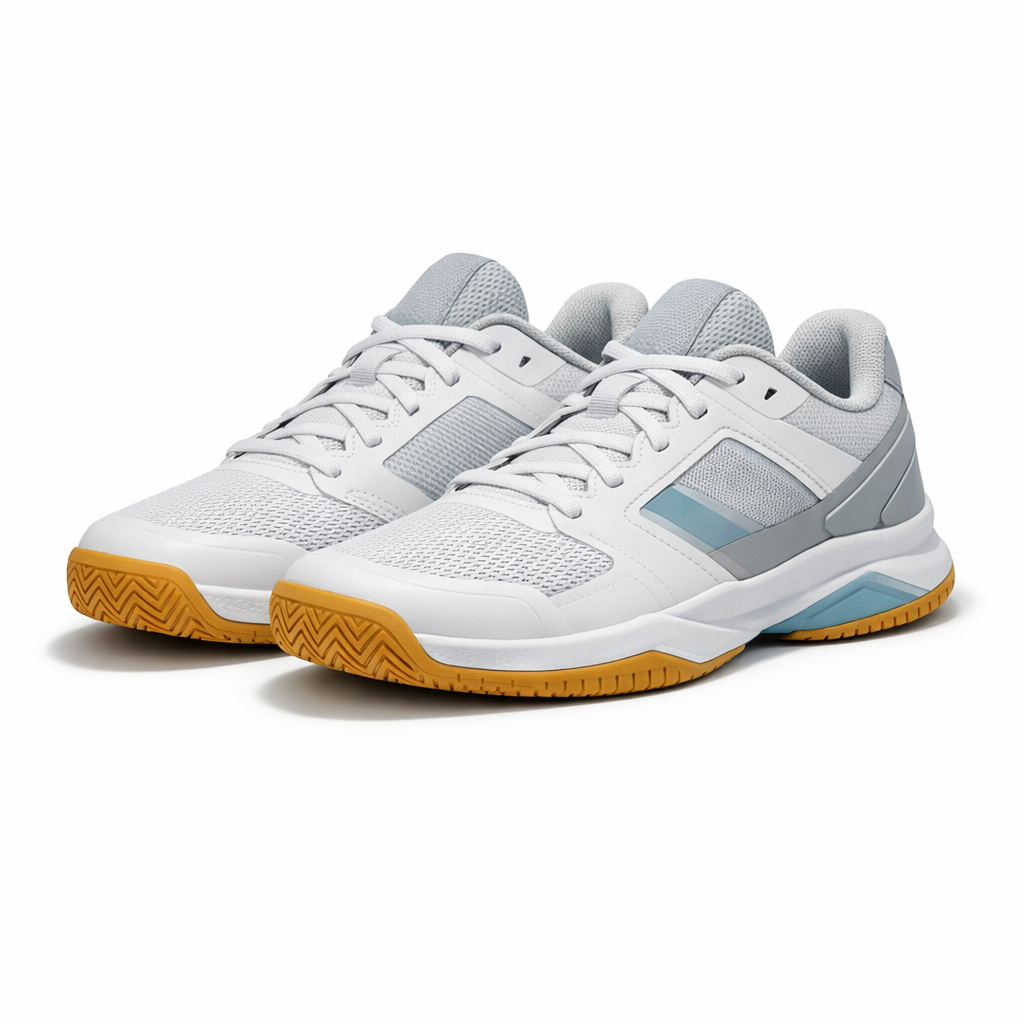
Head Sprint Pro 3.0 Padel Shoes
Truste d resourcesHelpful external resources related to this topic.British Padel — associationPadel Magazine — mediaSport England — government agency You might also like: Padel Racket Weight and Shape Explained for New Players.
You might also like: Padel Racket Weight and Shape Explained for New Players.