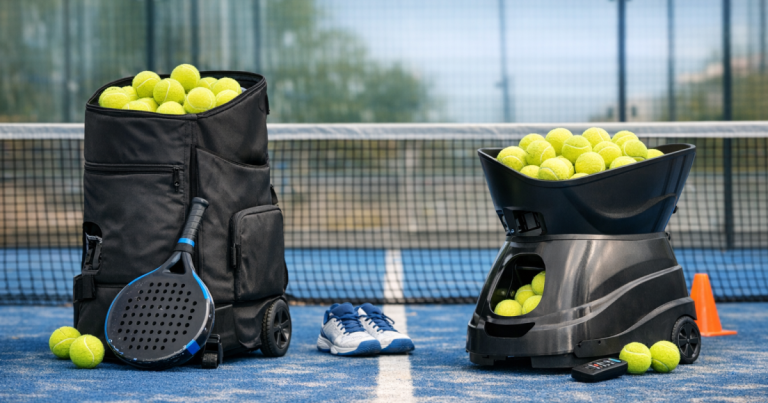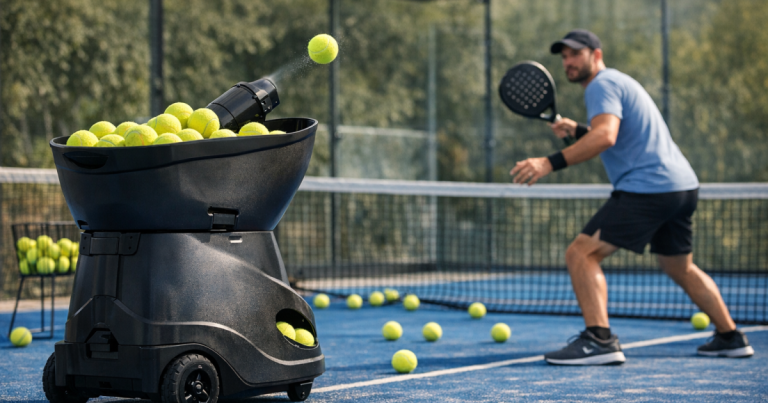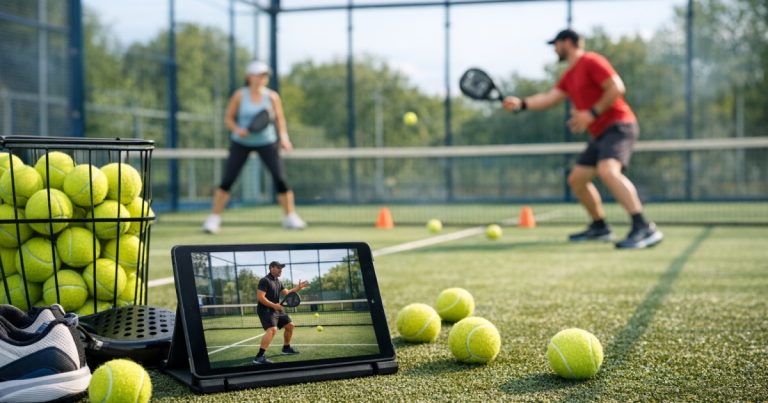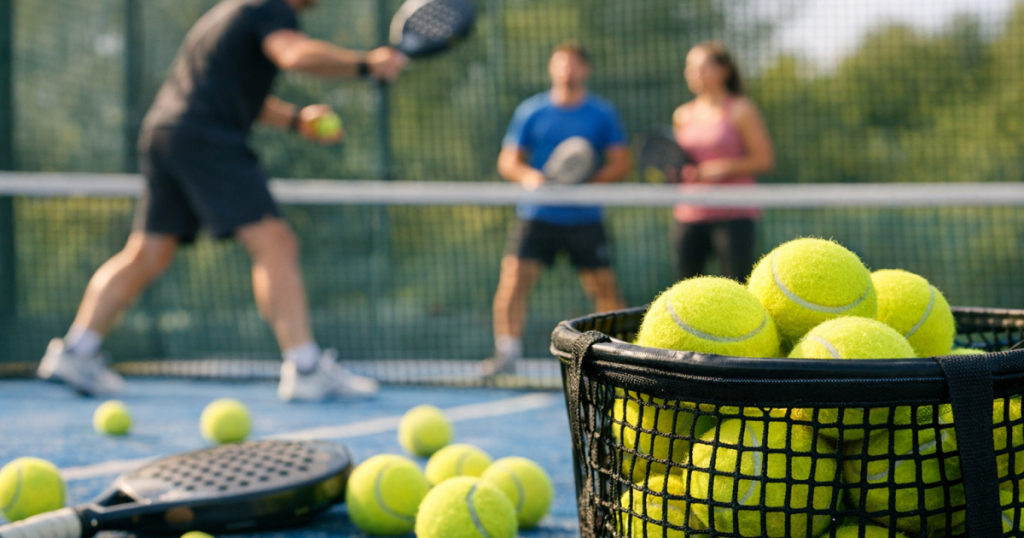
A ball that feels fine for one casual game can become frustrating when you are feeding the same forehand drill for 20 minutes. This Dunlop Padel Pro Balls review looks at whether they are steady enough for beginner coaching sessions, baskets, and club drills, not just match play.
Quick verdict: Dunlop Padel Pro Balls are a sensible choice for coaching drills because they feel predictable, are easy to work with in repeated feeds, and do not ask too much of new players’ timing. They are not a miracle fix for poor technique or a replacement for fresh match balls, but they are dependable enough for regular club practice.
Product overview
Dunlop Padel Pro Balls are pressurised padel balls designed for padel rather than tennis. That distinction matters for beginners: padel drills work best when the ball reacts in a familiar way off the racket, the glass and the court surface. A ball that jumps too unpredictably can make a simple feed-and-return exercise feel far harder than it should.
For coaching, the biggest question is not whether a ball feels spectacular for one rally. It is whether the same tube can help players repeat a movement, recognise a bounce, and build confidence through multiple rounds of the same exercise. On that measure, Dunlop Padel Pro Balls make a strong case. They have the straightforward, club-friendly feel most beginners need when practising volleys, bandejas, returns and simple wall rebounds.
They are also easy to fit into normal UK club routines. If you are joining a group session after work, helping organise a social, or filling a small basket for beginner drills, they are the kind of ball that does not need a long explanation. Open the tube, keep the set together, and rotate them out when the bounce starts to feel tired.
Key specs
- Product type: pressurised padel balls for padel courts.
- Typical use: club sessions, coaching feeds, basket drills, warm-ups and casual match play.
- Pack format: commonly sold in tubes; check the retailer listing for the exact ball count before ordering.
- Best checks before buying: confirm the current packaging, tube quantity, and whether you need one tube for matches or several identical tubes for coaching.
- Drill suitability: best used in sets of similar age and pressure so beginners get a consistent bounce.
- Kit pairing: keep spare balls, water, a towel and a small accessory pouch together; this simple match-day padel accessories kit is a useful next step if you are building your club bag.
Pros and cons
Pros
- Predictable enough for repeated beginner feeds and technical drills.
- Works well for common club exercises such as volleys, returns, lobs and controlled rallies.
- Padel-specific, so it is a better fit than using spare tennis balls for proper padel practice.
- Simple to manage in small groups because players quickly get used to the bounce.
- A sensible option for coaches, captains or friends organising low-pressure training sessions.
Cons
- Like all pressurised balls, they will lose liveliness with use and storage after opening.
- Mixed-age balls in the same basket can create uneven feeds, which is unhelpful for beginners.
- Players who prefer a very fast, sharp match feel may want to compare alternatives before buying in bulk.
- Retail listings can vary, so tube count and packaging details should be checked carefully.
Performance in real use
Feeding consistency
The main strength here is repeatability. In beginner coaching, a clean feed matters more than a dramatic ball. When a coach or practice partner is feeding forehands from the same spot, the ball needs to arrive in a way the player can read. Dunlop Padel Pro Balls feel well suited to that job because they encourage rhythm rather than panic.
That makes them useful for drills where the player is learning one idea at a time: split step, racket preparation, contact point, recovery position. If the ball behaviour is too erratic, the player starts chasing the bounce instead of learning the movement. These balls help keep the session centred on the skill.
Beginner rally drills
For controlled rallies, they are friendly rather than intimidating. New players often hit too hard because they are unsure how the ball will come off the racket. A more predictable ball gives them permission to soften the hand, aim higher over the net, and build a rally instead of trying to win every feed.
They also work nicely for cooperative drills, such as cross-court consistency games or volley-to-baseline patterns. The ball gives enough response to keep the exercise alive, but it does not feel like it is racing away from players who are still learning court positioning.
Basket work and ball rotation
The one thing to be strict about is rotation. A coaching basket full of mixed balls can undo the benefit of using a decent padel ball in the first place. If half the basket is fresh and half is flat, beginners will get inconsistent feedback and may blame their technique when the ball is really the issue.
A better approach is to label or separate tubes by age. Use the freshest set for match-style points and technical sessions where the bounce really matters. Move older balls into warm-up feeds, hand-feed drills, or slower control exercises. Once a ball no longer behaves similarly to the rest of the group, take it out of the main basket.
Durability and feel over time
No pressurised ball stays at its opening feel forever, and Dunlop Padel Pro Balls are no exception. Felt wear, pressure loss and damp conditions can all change how a ball behaves. On UK indoor and outdoor courts, cold or moisture can also make any ball feel slower, so it is worth judging them in the conditions you normally play in.
For coaching use, the practical test is simple: can players still predict the bounce well enough to practise the intended skill? If yes, keep them in the drill set. If the ball starts dying off the back glass, sitting up strangely, or feeling different from the rest of the tube, it is time to demote it.
Value for regular practice
For drills, value is not just about the cheapest tube. It is about how many useful sessions you get before the ball becomes too inconsistent for learning. Dunlop Padel Pro Balls make sense if you want a reliable, familiar option rather than constantly switching between whatever is available at the club desk.
If you are buying for a group, start with a modest number of tubes and test them across the drills you actually run. If they suit your sessions, then buying enough matching tubes for a small basket is more useful than collecting random leftovers from matches.
Who it’s best for / who should skip it
Dunlop Padel Pro Balls are best for beginners, improvers, social organisers and coaches who want a dependable ball for repeated technical practice. They suit sessions where the goal is cleaner contact, better court habits and more confident rallying rather than maximum speed.
They are also a good fit for players who are just starting to take club sessions seriously. If you are moving from occasional games into weekly drills, using consistent balls is one of the easiest ways to make practice feel more productive.
You might skip them if you only want balls for competitive match play and already have a specific tournament-style feel you prefer. You might also look elsewhere if your priority is the fastest-feeling ball possible. For most beginner coaching environments, though, steadiness is a feature, not a drawback.
Alternatives
The closest alternative to consider is Head Padel Pro S Balls, particularly if you are deciding between common club options. Rather than guessing based on brand alone, it is worth reading this Dunlop Padel Pro versus Head Padel Pro S comparison, which looks at the beginner buying decision more directly.
If your club already supplies a different padel ball, do not rush to change everything. Consistency matters more than novelty. For group drills, a basket of matching, well-kept balls will usually help beginners more than a mixture of several brands and ages.
Straight answers
Are Dunlop Padel Pro Balls suitable for beginner coaching drills?
Yes. Their main appeal is predictable behaviour, which helps beginners repeat movements and judge the bounce without feeling rushed.
Can I mix old and new balls in the same coaching basket?
It is better not to. Mixing tired and fresh balls creates uneven feeds, which makes technique work harder to judge.
Are padel balls the same as tennis balls?
No. They may look similar, but padel balls are made for padel play. For proper padel drills, use padel-specific balls rather than spare tennis balls.
How many tubes should a beginner group buy?
Start small. Test one or two tubes in your usual drills, then buy matching tubes if the feel works for your group.
When should these balls be replaced for drills?
Replace or demote them when the bounce feels noticeably softer, inconsistent, or different from the rest of the set.
Verdict + score
For this Dunlop Padel Pro Balls review, the important finding is simple: they are reliable enough for beginner coaching drills, especially when you keep sets together and rotate tired balls out of the basket. They are not the only good padel ball, and players chasing a sharper match feel may want to test alternatives, but for club practice they offer the consistency beginners need. Score: 8.2/10.
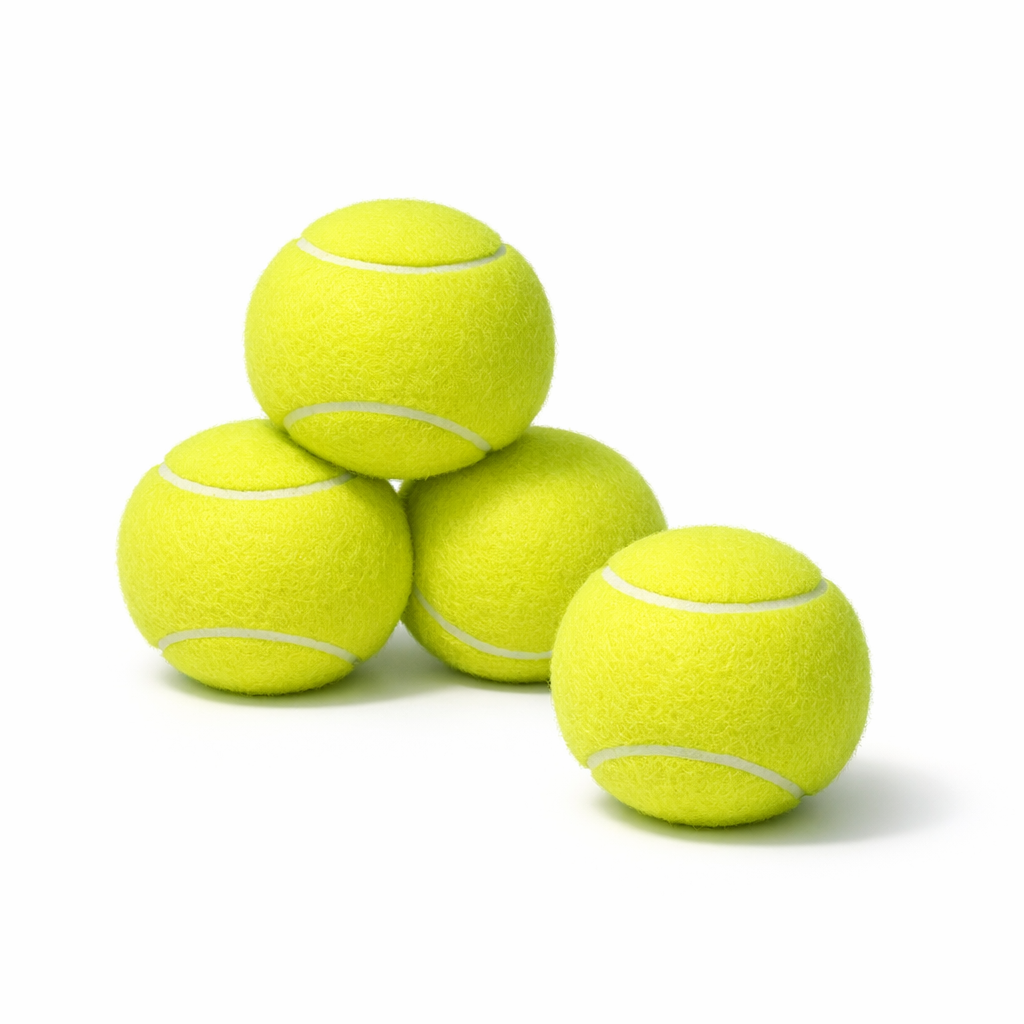
Dunlop Padel Pro Balls
They are not the only good padel ball, and players chasing a sharper match feel may want to test alternatives, but for club practice they offer the consistency beginners need.
You might also like: Splitwise Review for Sharing Padel Club Court Costs.