Online coaching can be a smart way to improve between club sessions, but it is easy to collect tips without changing how you actually play. This The Padel School review looks at whether its online lessons are useful for beginners and early-stage club players who want clearer technique, better decisions and more confidence on court.
The short verdict: The Padel School is most valuable if you already play regularly and want structure between lessons. It is less compelling if you expect personalised coaching, instant feedback, or a magic fix for match nerves.
Product overview
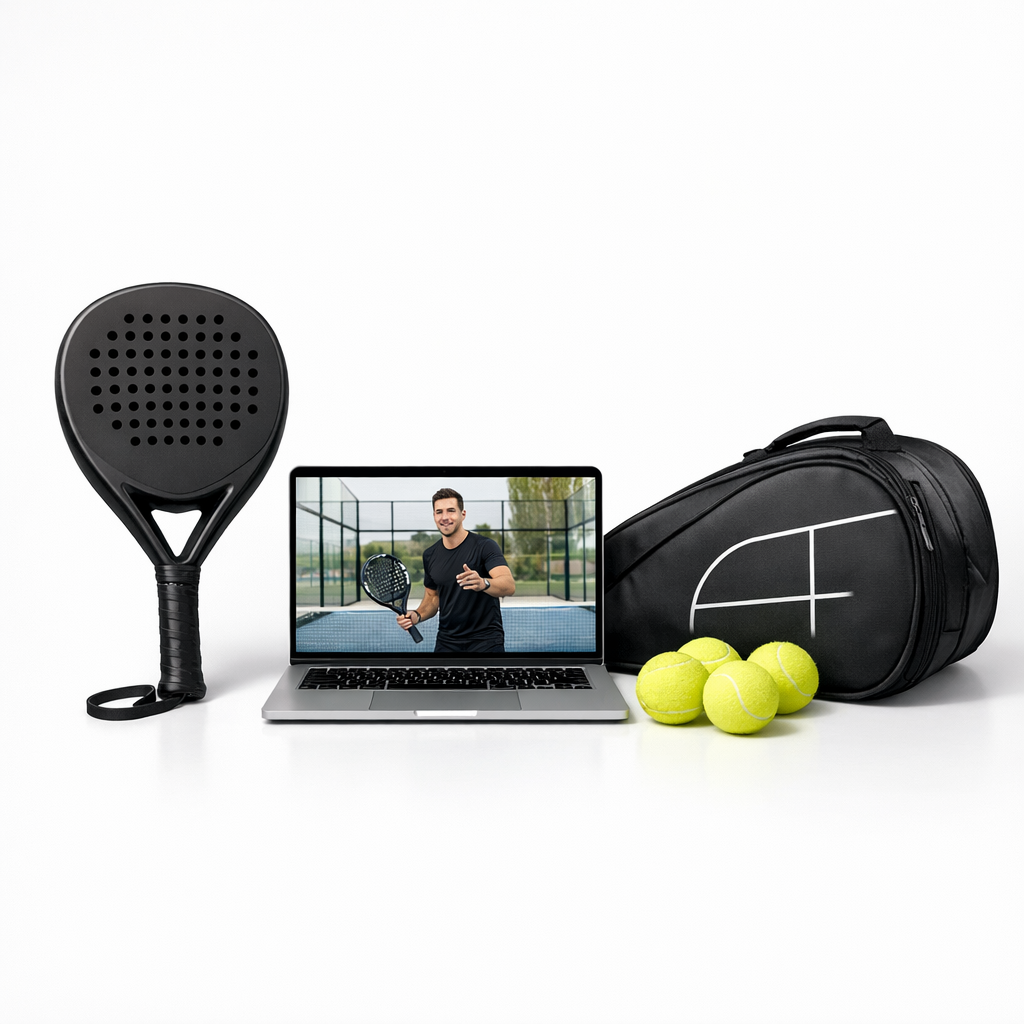
The Padel School is an online padel coaching platform built around video-led instruction. Its appeal is simple: instead of relying only on occasional in-person coaching, you can watch focused lessons, revisit key ideas and take specific drills into your next hit.
For a UK beginner moving into regular club play, that matters. Most early padel progress is not about learning flashy winners. It is about using the glass calmly, controlling the bandeja, defending without panic, improving positioning with your partner and avoiding low-percentage shots when the point is already in your favour.
The Padel School does a good job of making those ideas feel less mysterious. The teaching style is generally clear, practical and aimed at players who want to understand what to do, not just copy a professional-looking swing. It works best when you treat it as a coaching companion: watch one topic, practise it on court, then come back and review what felt difficult.
Before joining, check the current lesson library, access method, pricing, cancellation terms and whether any live coaching, feedback or community features are included. Online coaching platforms can change their packages over time, so the best decision is based on what is available when you sign up.
Key specs
- Reviewed product: The Padel School
- Product type: Online padel coaching lessons and learning platform
- Best fit: Beginners, improvers and club players who want structured practice ideas between sessions
- Core format: Video-based coaching content to watch away from the court and apply during practice
- Main use case: Improving technique, tactics, positioning and practice habits
- Personal feedback: Verify what is currently included, as individual analysis and live coaching may depend on the package or offer available
- Pricing: Check the current price and whether it is shown in £ for UK users before committing
- Equipment needed: A racket, balls, court time and ideally a practice partner; no specialist training kit is essential for most beginner drills
Pros and cons
Pros
- Clear coaching language: The explanations are accessible enough for newer players without feeling patronising.
- Good for repeat viewing: Being able to revisit the same lesson before a match or practice session is genuinely useful.
- Helpful between club coaching sessions: It gives you something specific to work on instead of just turning up and hoping to improve.
- Strong fit for common beginner problems: Topics such as positioning, shot selection and basic technique are well suited to early club padel.
- Useful for doubles understanding: Padel is a partnership game, and online tactical lessons can help you see why court position matters.
Cons
- No automatic correction: A video cannot see your swing, footwork or decision-making unless a feedback feature is specifically included.
- Requires discipline: Watching more lessons will not help if you do not take one idea at a time onto court.
- Can feel broad if you need one urgent fix: Players with a very specific problem may still benefit more from an in-person coach watching them play.
- Value depends on current access: The lesson range, membership terms and extras should be checked before you pay.
- Not a replacement for match experience: It can explain patterns, but you still need real points to learn timing and pressure.
Performance in real use
The biggest strength is structure. Many beginners improve slowly because every session becomes a mixture of warm-up, random rallies and rushed matches. The Padel School gives you a cleaner way to decide what today’s practice is actually for.
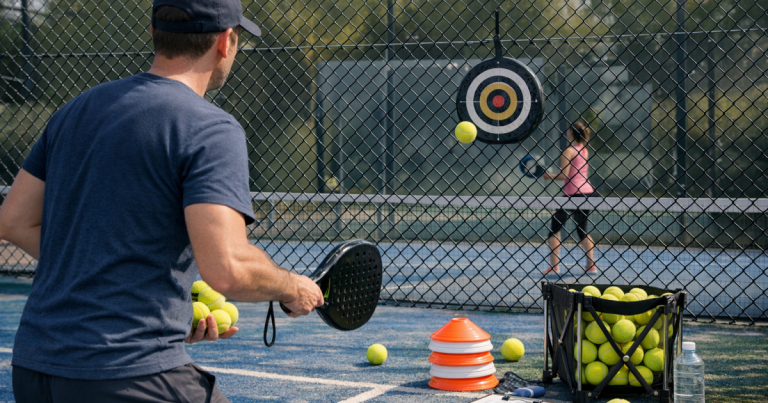
For example, instead of saying “I need to get better at defence”, you might focus on defending slower, using the back glass with more patience, or choosing a higher lob when under pressure. That kind of narrow practice target is exactly what newer club players need.
The lessons are also useful before social matches. If you are heading to a club night, watching a short tactical lesson on positioning or shot choice can make your first few games feel less chaotic. You will still make mistakes, but you are more likely to recognise why they happened.
Where online lessons struggle is diagnosis. If your volley is breaking down because of late preparation, poor grip pressure, wrong spacing, or rushed footwork, a general video might not tell you which one is the real issue. This is where in-person coaching remains valuable. A good coach can spot the pattern in a few minutes and give you a correction that fits your body, level and playing style.
The best way to use The Padel School is to pair it with a simple practice routine. Choose one lesson, write down one cue, then test it for a full session. For movement work, combine the video advice with a repeatable routine like these ideas for practising padel footwork between coaching sessions. Footwork improvements are rarely dramatic overnight, but they make every shot easier once they become automatic.
It is also worth being selective. Beginners often want to learn every padel shot at once: vibora, kick smash, bajada, chiquita, drop shot and everything in between. That is fun, but it can distract from the shots that win beginner matches: reliable serves, controlled returns, sensible lobs, compact volleys and calm defensive resets.
If you are overhitting sitters, panicking near the net, or trying to finish points too early, an online lesson can explain the better choice. The real improvement comes when you deliberately make that better choice in a match, even when the old habit is tempting.
Who it’s best for / who should skip it
The Padel School is best for players who already have access to courts and want to improve with more intention. If you play once or twice a week, it can help you turn casual court time into more productive practice.
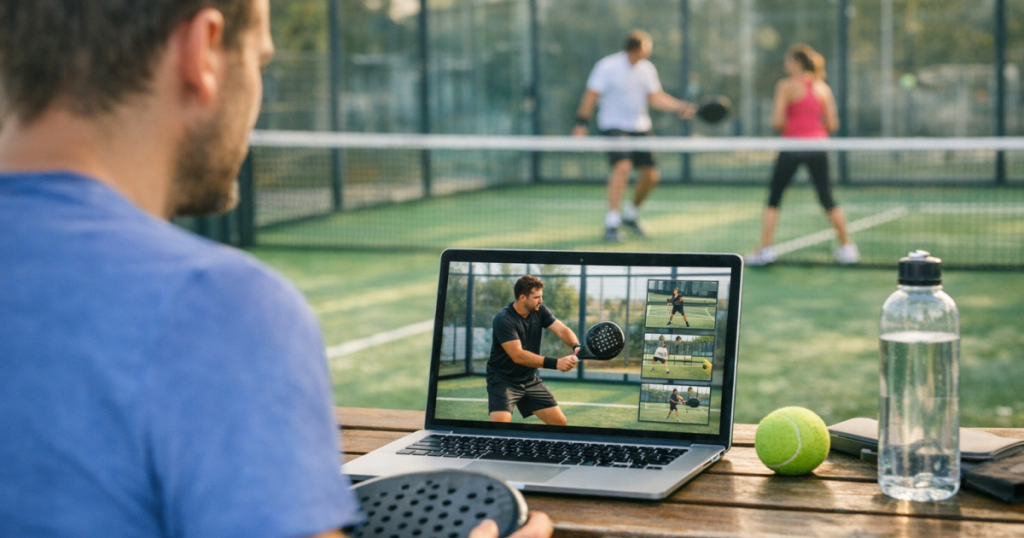
It is also a good fit if you like learning visually. Seeing the shape of a swing, the spacing from the ball, or the movement of a pair can be much easier than reading a written explanation. For doubles positioning in particular, video is a strong format because you can see how one player’s decision affects the other.
It suits beginners who are ready to move beyond “just get the ball back” but are not yet looking for advanced tactical analysis. If you are trying to become more consistent, understand when to lob, improve your net position or stop giving away easy errors, the platform is likely to feel relevant.
You should skip it, or at least delay joining, if you barely play. Online lessons are only useful when you can test them. If you watch five lessons but do not step on court for three weeks, most of the detail will fade.
You may also be better served by a local coach if you have a stubborn technical fault that keeps returning. For instance, if you constantly swing too hard at easy balls, start with this guide on stopping overhit easy padel balls, then consider whether you need someone courtside to watch the habit in real time.
Advanced players should check the current lesson depth carefully. The Padel School can still be useful, but experienced competitors usually need more tailored feedback, match analysis and tactical detail than a general online library can always provide.
Alternatives
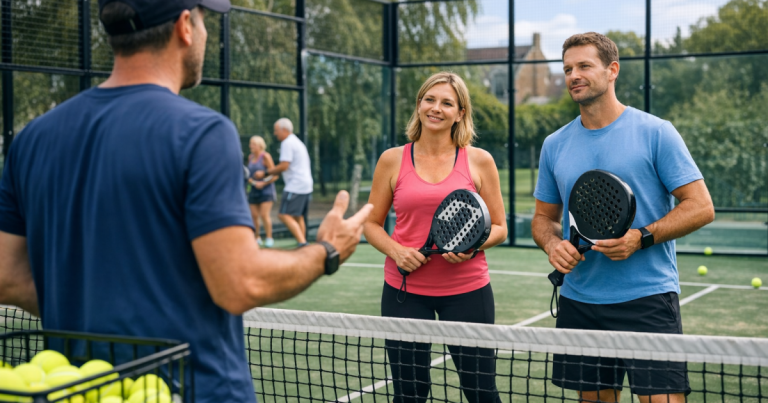
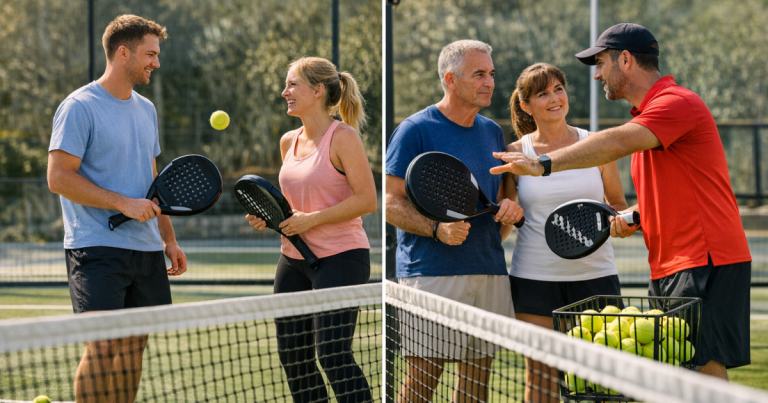
The clearest alternative is in-person coaching at your local padel club. For many beginners, the best setup is not online versus in-person; it is both. Use a coach to identify your biggest issue, then use online lessons to reinforce the theme between sessions.
Another alternative is learning through organised club play. Club nights, box leagues and friendly match play expose you to different partners, playing styles and pressure moments. That experience is hard to recreate through video because padel decisions depend so much on the ball you receive, your partner’s position and the score situation.
If you want free learning, public coaching clips on social platforms can help, but they are more scattered. The risk is jumping from one tip to another without a progression. The main advantage of a dedicated platform like The Padel School is that it can give your learning more order.
For players on a tight budget, the sensible choice is to decide what you are missing most. If you need feedback, pay for a lesson. If you need structure and reminders between games, an online platform may offer better day-to-day value. If you need confidence in matches, play more organised points and use lessons to reflect afterwards.
FAQ
Is The Padel School suitable for complete beginners?
Yes, if you are already getting on court. Complete beginners can use it to understand basic technique and positioning, but the lessons will make more sense once you have played a few sessions.
Can online padel lessons replace a club coach?
Not completely. Online lessons are excellent for explanation and repetition, while a club coach is better for spotting your specific mistakes and correcting them live.
How often should I use it?
Use it in small doses. One lesson before a practice session is usually better than watching lots of videos and trying to change everything at once.
Is it worth paying for if I only play socially?
It can be, provided you want to improve and play regularly. If you only play occasionally for fun, free clips and simple match experience may be enough.
What should UK players check before signing up?
Check the current price in £, what access includes, whether billing renews automatically, and whether the lesson topics match your level and goals.
Verdict + score
The Padel School is a strong online coaching option for beginners and early club players who want clearer practice goals between sessions. Its biggest value is not that it replaces real coaching, but that it helps you arrive on court with a plan. If you play regularly, enjoy visual learning and are willing to practise one idea at a time, it is easy to recommend. If you need personalised correction or rarely get court time, start with in-person coaching or more match play first. Overall score: 8.2/10.
The Padel School
Trusted re sourcesHelpful external resources related to this topic.British Padel — associationPadel Magazine — mediaSport England — government agency You might also like: How to Choose the Right Padel Bag Size for Club Play.
You might also like: How to Choose the Right Padel Bag Size for Club Play.