Turning up to padel with a loose racket, a water bottle, a towel and balls rolling around in a gym bag gets annoying quickly. That is the useful lens for this Head Padel Tennis Bag review: not whether it looks flashy, but whether it makes regular club sessions simpler for a newer player.
Quick verdict: the Head Padel Tennis Bag is a sensible shortlist option if you want a recognisable padel-specific bag without jumping straight into oversized tour luggage. It is best viewed as a practical club bag, not a luxury organiser, and buyers should check the exact retailer listing for compartment layout, dimensions and colourway before ordering.
Product overview
The Head Padel Tennis Bag sits in the useful middle ground between “I will just use whatever bag I already own” and “I need a huge tournament-style kit bag”. For first-time and early-stage players, that middle ground often makes the most sense. You want somewhere safe and convenient for a padel racket, balls, a drink, layers and small items, but you may not yet need space for multiple rackets, spare shoes and a full change of kit.
Head is a familiar name in racket sports, so the immediate appeal is straightforward: this is a padel-oriented bag from a brand many players already recognise from club courts. The important point is to treat the product name carefully when shopping. Retailers may show slightly different seasonal versions, colours or layouts under similar wording, so check the photos and listed features rather than assuming every listing is identical.
If you are still deciding whether you need your own bag at all, it is worth reading our guide to renting versus buying padel gear for your first matches. A bag becomes more useful once you are bringing your own racket and playing often enough that packing the same kit every week saves hassle.
Key specs
- Brand: Head.
- Product type: padel bag for carrying racket-sport kit to club sessions.
- Main use: transporting a padel racket, balls and personal court essentials.
- Best fit: beginner to regular recreational players who want a dedicated padel bag rather than a standard backpack or gym holdall.
- Compatibility to verify: whether your racket fits comfortably, especially if you use a larger teardrop or diamond-shaped racket with a protector fitted.
- Storage to verify: number of main compartments, small accessory pockets, shoe or clothing space, and whether the listing includes any padded or lined racket section.
- Carry style to verify: shoulder straps, grab handles or backpack-style carrying, depending on the exact version listed by the retailer.
- Buying check: confirm dimensions, returns policy and product photos before purchase, particularly if you are ordering online in the UK.
Pros and cons
Pros
- Padel-specific purpose: it is a more natural fit for racket gear than a general gym bag, which helps keep the racket separate from bottles, towels and clothing.
- Beginner-friendly size category: it should suit players who want proper kit organisation without carrying a huge club bag to every social match.
- Recognisable brand: Head is well established in padel and tennis, which makes it an easier product to shortlist than an unknown no-name bag.
- Good for routine club use: the concept suits weekly lessons, social games and box league evenings where you carry the same essentials each time.
- Cleaner packing habit: having one dedicated padel bag reduces the chance of forgetting balls, grips, a towel or your racket cover.
Cons
- Listing details matter: the exact storage layout can vary by version or retailer, so do not buy based on the product name alone.
- Possibly more than a casual taster needs: if you are still borrowing rackets and only playing occasionally, a dedicated bag may be premature.
- Not necessarily a full tour solution: players carrying several rackets, spare footwear, clothing and recovery kit may prefer a larger performance-style padel bag.
- Fit should be checked: racket shape, edge protectors and how tightly you pack the bag can affect day-to-day convenience.
Performance in real use
Packing for a normal club session
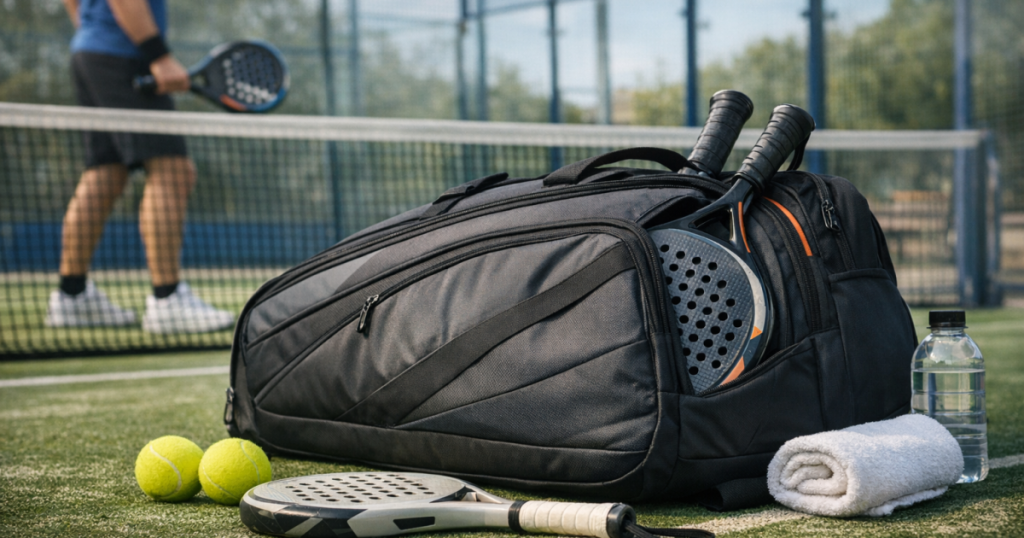
The strongest case for the Head Padel Tennis Bag is simple organisation. A newer player’s court kit is usually modest: one racket, a tube of balls, water, a towel, phone, keys, wallet and perhaps an extra layer for colder evenings. A dedicated padel bag gives those items a home, so you are not repacking from scratch before every booking.
For beginner padel, this matters more than it sounds. Arriving calm and organised helps you focus on warm-up, serve order and positioning rather than rummaging around at the side of the court. It also keeps your racket from being squeezed next to heavier items in a normal sports bag.
Racket storage and protection
A padel racket does not need to be treated like fine china, but it is still worth protecting from knocks, pressure and loose objects. The Head Padel Tennis Bag should be judged mainly on whether your own racket sits flat, slides in easily and is not forced against zips or hard items.
Before buying, check the listing photos for the racket compartment and compare the stated dimensions with your racket. If you are still learning what racket shape, balance and thickness mean, our padel racket specs guide will help you understand why some rackets feel bulkier or more awkward to pack than others.
Carrying comfort around UK clubs
For many UK players, the journey to court is a mix of car boot, train, bike rack, short walk from the car park or a dash through the rain to an indoor booking. A padel bag needs to be comfortable enough for those normal trips, not just look tidy in product photos.
Look closely at the straps and handles in the retailer images. If you walk to your club, backpack-style straps may matter more than a single shoulder strap. If you drive and only carry the bag from the car to the court, grab handles and easy access may be enough. The bag’s real value depends on matching the carry style to your routine.
Court-side practicality
Good court-side kit is easy to use when you have two minutes between games. The Head Padel Tennis Bag works best if the items you reach for often are easy to find: balls, overgrip, towel and water. If small pockets are shown, check whether they look useful for keys and valuables rather than just decorative.
One practical tip is to keep a repeatable layout: racket in the same section, balls in the same pocket, towel on top, small valuables zipped away. This reduces the “where did I put that?” feeling that often hits beginners during busy social sessions.
Durability and maintenance
Durability in a padel bag is mostly about zips, stitching, base wear and how the fabric handles damp floors or repeated loading. Without relying on unverified claims, the sensible approach is to inspect user photos where available and look at stress points: strap joins, zip pulls and the corners that touch the ground.
Maintenance should be simple. Empty the bag after sweaty sessions, let damp clothing or towels dry separately, and avoid leaving balls, food wrappers or wet kit inside between games. If you play at outdoor clubs, a quick wipe-down after wet evenings will help keep the bag fresher.
Value for newer players
The value question is not “is this the biggest bag?” It is “does it make your current padel routine easier?” For a player moving from occasional hire-racket sessions into weekly club play, the Head Padel Tennis Bag has a clear role. It gives your racket and essentials a dedicated place without encouraging you to overbuy kit too early.
If you already carry two rackets, shoes, clothing, shower kit and snacks, this may feel limiting depending on the exact version. If you only bring a racket and a bottle, it may feel like more bag than you need. The sweet spot is the regular recreational player who wants order and a bit of protection.
Who it’s best for / who should skip it
Best for: beginners and improving club players who own a padel racket, play regularly, and want a tidy way to carry their core kit. It is also a good fit for players who have outgrown a basic gym bag but do not want a bulky tour-style holdall.
Also worth considering if: you like keeping sport-specific gear ready to go. A dedicated padel bag can live by the door with balls, towel and accessories already packed, which makes last-minute bookings much easier.
Skip it if: you are still testing padel and mostly renting equipment, you need a large multi-racket bag, or you want guaranteed features such as a specific shoe compartment, thermal lining or exact pocket count without first verifying the listing.
Alternatives
The most obvious alternative is not another named bag; it is waiting. If you are only playing your first few matches, a normal sports backpack or holdall can be enough while you work out what you actually carry. Spend a few sessions noticing what feels awkward: is your racket exposed, are balls getting lost, are wet clothes touching everything else, or is your bag simply too small?
A second alternative is a larger padel tour bag from a recognised racket-sport brand such as Head, Bullpadel, Babolat or Nox. That route makes more sense if you carry multiple rackets or play several times a week. The trade-off is bulk: bigger bags are better for storage, but less pleasant on public transport or in a crowded changing area.
A third option is a compact racket cover plus a backpack for personal items. This can suit players who travel light, though it usually feels less tidy than one dedicated padel bag once you start carrying balls, grips, layers and a towel.
FAQ
Is the Head Padel Tennis Bag too big for a beginner?
Not necessarily. It is most useful for beginners who already own a racket and play regularly. If you are still borrowing equipment, wait until your routine is clearer.
Will it fit every padel racket?
Do not assume. Check the retailer’s stated dimensions and photos against your racket, especially if you use a racket protector or a bulkier head shape.
Do I need a shoe compartment?
Only if you regularly change footwear at the club or carry dirty shoes home. For many early-stage players, separate clothing and accessory space matters more.
Is a padel bag better than a tennis bag?
Usually, if the shape and compartments are designed around padel rackets. Some tennis bags work, but they can be larger than needed for casual padel sessions.
Verdict + score
The Head Padel Tennis Bag is a strong, sensible choice for newer club players who want their padel kit organised without buying a huge performance bag. Its biggest strength is practicality: it helps protect the racket, keeps essentials together and suits the way many beginners move into regular weekly play. The main caution is to verify the exact version, dimensions and compartment layout before buying, because the product name alone does not tell you everything. Overall, it earns 8.1/10.
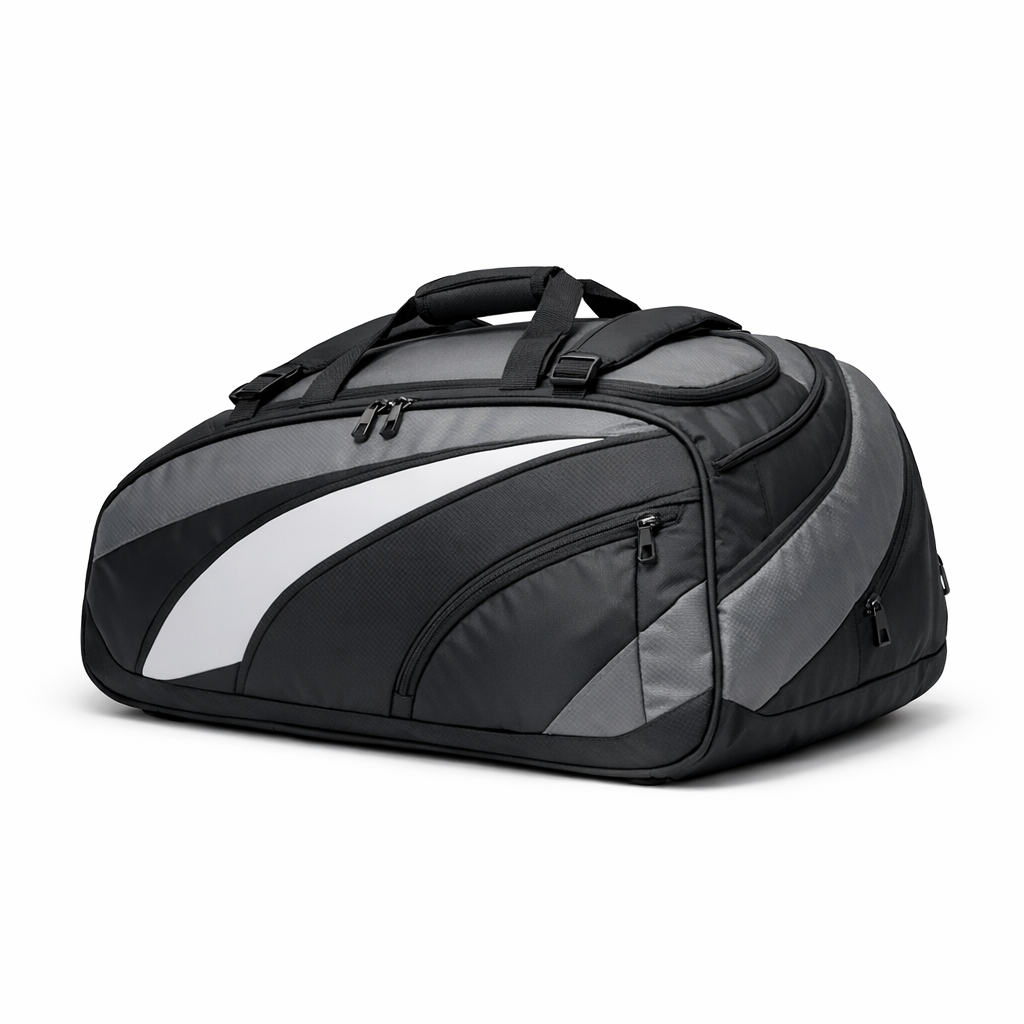
Head Padel Tennis Bag
Trusted resourcesHel pful external resources related to this topic.British Padel — associationPadel Magazine — mediaSport England — government agency You might also like: Padel Racket Grip, Handle Size and Overgrips Explained.
You might also like: Padel Racket Grip, Handle Size and Overgrips Explained.