Your first few matches should be about learning the rhythm of padel, not worrying that you have bought the wrong kit. For first-time club players, renting vs buying padel gear is less about saving every pound and more about making sensible choices in the right order: borrow or hire what you can, buy the items that affect comfort and movement, then upgrade once you know you enjoy playing regularly.
Main points
- Rent or borrow a racket for your first one to three sessions if your club offers it.
- Buy suitable court shoes earlier than a racket if you plan to keep playing, because movement and grip matter from day one.
- Do not rush into a powerful or expensive racket before you understand weight, balance and feel.
- Use club balls at first if provided, but buy your own tube once you start arranging matches.
- Comfortable sports clothing is enough for early games; padel-specific clothing is optional.
What you actually need for a first padel match
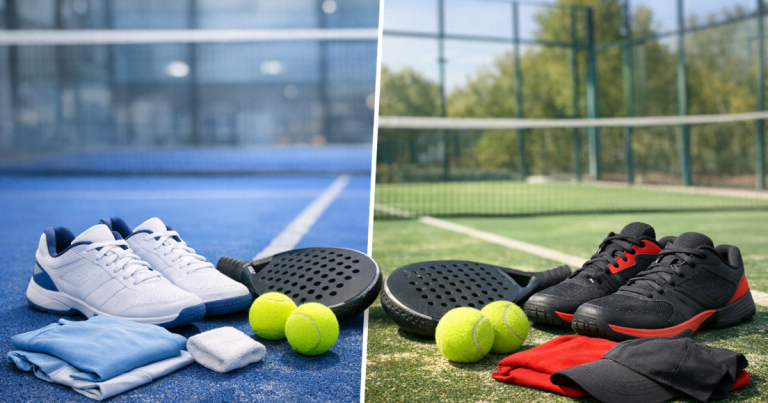
A beginner does not need a full matching kit. For most first matches at UK clubs, the practical minimum is a racket, padel balls, suitable footwear and comfortable sports clothing. Many venues can help with the first two, but shoes and clothing are usually down to you.
If you are still working out the basics of scoring, serving and wall use, start with the playing fundamentals before overthinking equipment. The guide to the first things to learn in padel is a useful next step if your first booking is coming up and you want to feel less lost on court.
The important point is that padel gear affects comfort and confidence, but it does not replace good positioning, simple shot choices and partner communication. A forgiving racket and secure shoes can help, yet you will still improve faster by playing steady, low-risk padel rather than trying to hit winners with equipment you barely understand.
A simple way to think about renting vs buying padel gear
The cleanest split is this: rent or borrow items that are easy to share and hard to judge as a beginner, but buy items that need to fit your body properly. That usually means hiring a racket at first, using club balls if available, and bringing your own shoes and clothing.
Rackets are the easiest item to delay buying. Early on, you may not know whether you prefer a light feel, a softer touch or a little more head weight. A club loan racket gives you a safe way to play without committing too soon. If you can try two or three different rackets over your first few sessions, you will learn more than you would from buying blind.
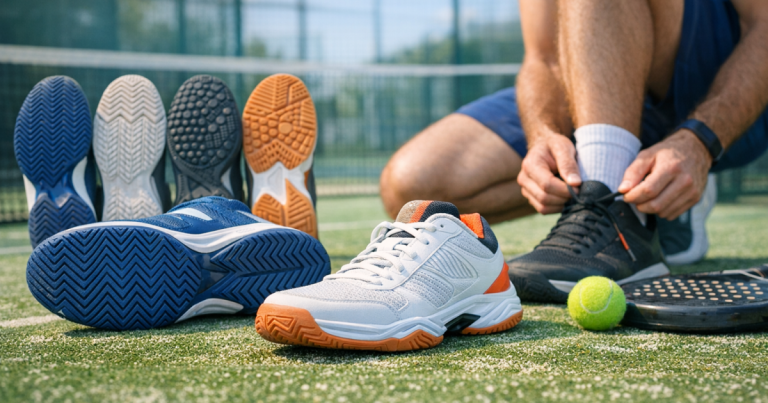
Shoes are different. Rental shoes are uncommon, and ordinary running trainers are not ideal for repeated side-to-side movement on artificial turf. If you already own clean, grippy court shoes from tennis or squash, they may be fine for early games. If not, padel or tennis shoes are often the first worthwhile purchase once you know you are going back.
When renting makes sense
Renting is sensible when you are unsure how often you will play, when you are joining a one-off social session, or when the club includes rackets in the booking. It also helps if you are playing with more experienced friends and want a low-pressure way to try the game before spending money.
Racket hire is most useful for the first stage because beginner preferences change quickly. A racket that feels fine during a taster session may feel awkward once you start defending corners, blocking volleys and playing longer rallies. Hiring also gives you a chance to notice what you dislike: too heavy, too stiff, too hard to control, or simply uncomfortable in the hand.
Borrowing from a friend can work well too, provided the racket is not badly damaged and is not an advanced, unforgiving model. Very powerful rackets can make a new player’s timing worse because the ball flies before they have learnt a controlled swing. A basic, forgiving racket is usually easier to learn with.
When buying becomes the better choice
Buying starts to make sense when you have moved from “trying padel” to “playing padel”. If you have booked several sessions, joined a regular group, or started arranging your own games, owning a few basics saves hassle and helps you build consistency.
The first item to consider is footwear. A shoe designed for court movement can feel more stable during turns, split steps and short sprints. Fit matters more than brand: check comfort around the toes, heel hold and whether the sole suits the surfaces you play on most often. A recognisable padel shoe example is Asics Gel-Padel Pro 3, but do not treat any single model as automatically right for your feet.
Balls are another low-commitment purchase once you start playing without a coach or organised host. Padel balls look similar to tennis balls but are made for the sport’s pace and bounce. A common club-level example is Head Padel Pro. Before buying in bulk, check whether your usual group prefers fresh balls each match or is happy rotating partly used tubes for practice games.
A racket is worth buying when you have played enough to recognise what feels manageable. For most beginners, that means prioritising control, comfort and an easy sweet spot over maximum power. If racket descriptions feel like a maze, the plain-English guide to padel racket specs explains the terms that matter before you commit.
Gear-by-gear decision guide
Racket
Rent first if possible. Buy when you are playing regularly enough that availability, comfort and consistency matter. Avoid choosing only by looks, professional-player branding or the promise of extra power. A beginner-friendly racket should help you keep the ball in play, not tempt you into bigger swings than your timing can handle.
Balls
Use provided balls at lessons, taster sessions and club-organised games. Buy your own once you arrange matches independently. Keep a tube in your bag so a game is not spoiled by old, flat balls, but there is no need to stockpile until you know how often you play.
Shoes
Buy sooner if you are serious about continuing. Padel involves quick stops, small adjustment steps and diagonal movement, so shoes are not just a style choice. Clean court shoes with decent lateral support are preferable to soft running trainers, which are built mainly for forward motion.
Clothing
Do not overcomplicate clothing for first matches. Wear breathable sports kit that lets you stretch, lunge and rotate. Padel-specific tops, shorts and skirts can be useful later, but your first priority is comfort. Bring a spare layer if you are playing outdoors in cooler UK conditions.
Bag and accessories
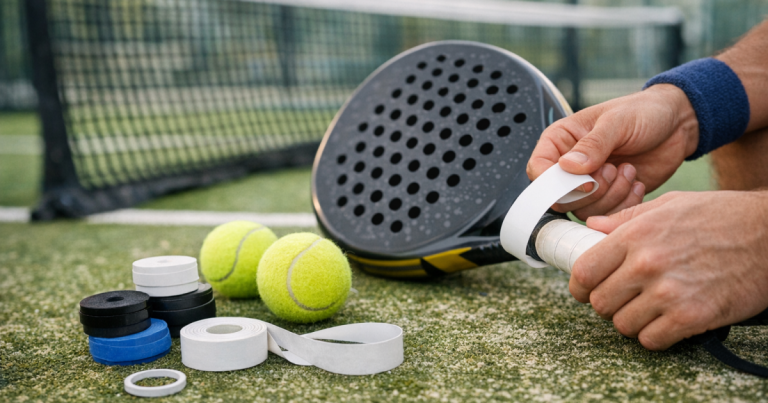
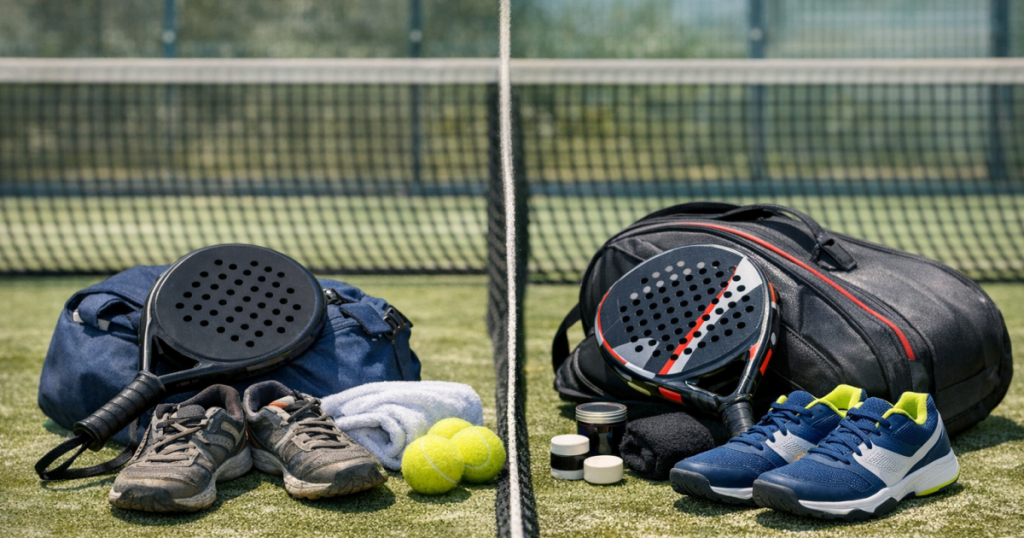
A normal sports bag is fine at first. A dedicated padel bag becomes useful when you carry a racket, balls, towel, water bottle, spare top and outdoor layers. Overgrips can be useful if your hand slips, but you do not need a drawer full of accessories before you have a regular routine.
The hidden cost of buying too early
The biggest risk is not buying a bad product; it is buying before you know what you need. New players often overestimate power and underestimate comfort. They may choose a racket that feels exciting in the shop but tiring over a full match, or shoes that look right but pinch during quick changes of direction.
Buying too early can also lock you into habits. If a racket is difficult to control, you may start guiding the ball nervously or avoiding shots you need to practise. If your shoes do not feel stable, you may stop moving through volleys and become flat-footed. Good gear should make simple padel easier, not distract you from learning.
The hidden cost of renting for too long
There is also a point where renting becomes awkward. You may get a different racket every session, which makes it harder to develop touch. The grip may feel different, the weight may change, and the condition may vary. That inconsistency is not a disaster for a beginner, but it can slow your progress once you are playing weekly.
Relying on club gear can also limit spontaneous matches. If friends invite you to play somewhere without hire rackets, you may have to borrow at the last minute. Owning a simple setup removes friction and makes it easier to say yes to social games, beginner leagues and practice sessions.
What experienced beginners often do
A sensible path is to rent or borrow a racket for the first few hits, then buy shoes once padel becomes part of your routine. After that, buy balls and small accessories. The racket comes when you can describe what you want in plain terms: lighter, more comfortable, easier to control, or more stable on volleys.
This approach avoids the two classic mistakes: turning up with unsafe or unsuitable footwear, and spending too much on a racket before you can tell whether it helps. It also keeps the focus where it belongs: getting rallies going, learning court position and enjoying your first proper games.
Helpful questions
Can I play my first match with a hired racket?
Yes, and it is often the best option. Check with the club before you book, because hire availability, deposits and included equipment vary by venue.
Should I buy a racket before my first lesson?
Usually not. A lesson or taster session is a good chance to try a basic racket and ask what weight and feel would suit your level.
Are running shoes acceptable for one game?
They may be accepted by the venue, but they are not ideal for padel movement. If you plan to continue, court shoes are a more sensible early purchase.
Do I need my own balls for social padel?
Not always. Organised sessions often provide balls, but for private matches it is courteous and practical to bring a tube.
When should I upgrade from borrowed gear?
Upgrade when you are playing regularly and can feel what borrowed gear is stopping you from doing comfortably, such as controlling volleys or moving confidently.
What stands out
The best answer is not “rent everything” or “buy everything”. For most new UK players, the smart route is to hire the racket first, buy suitable shoes once you are committed, then add balls, a bag and your own racket as your playing routine becomes clearer. If you are deciding how to move from first matches into more structured play, the guide to coaching, social matches and leagues can help you choose the next step without overcommitting too soon.