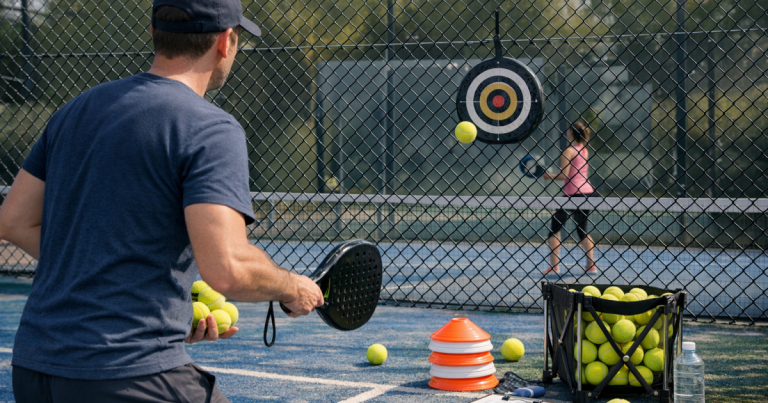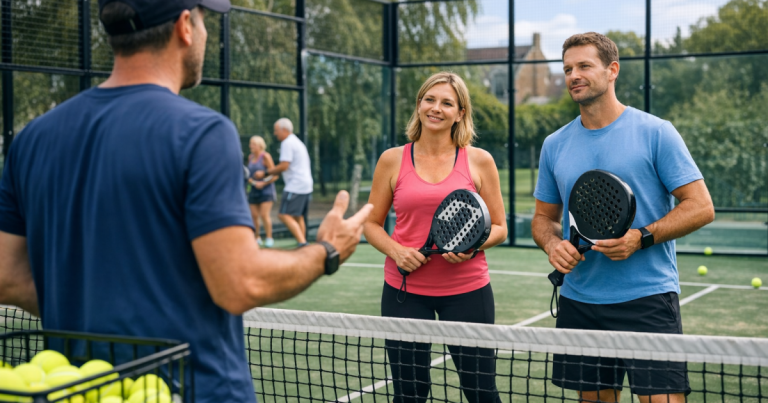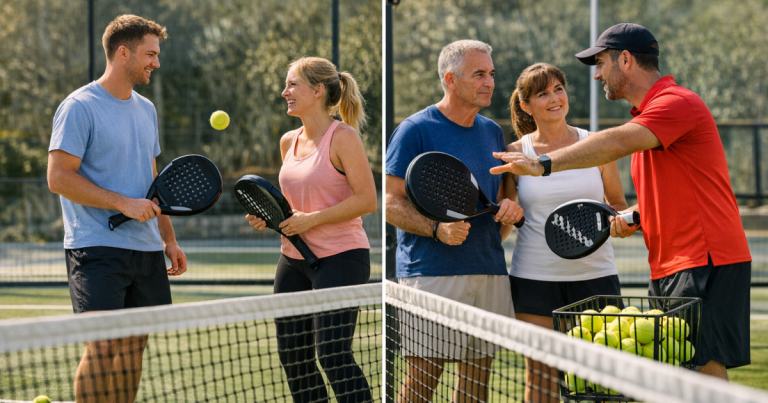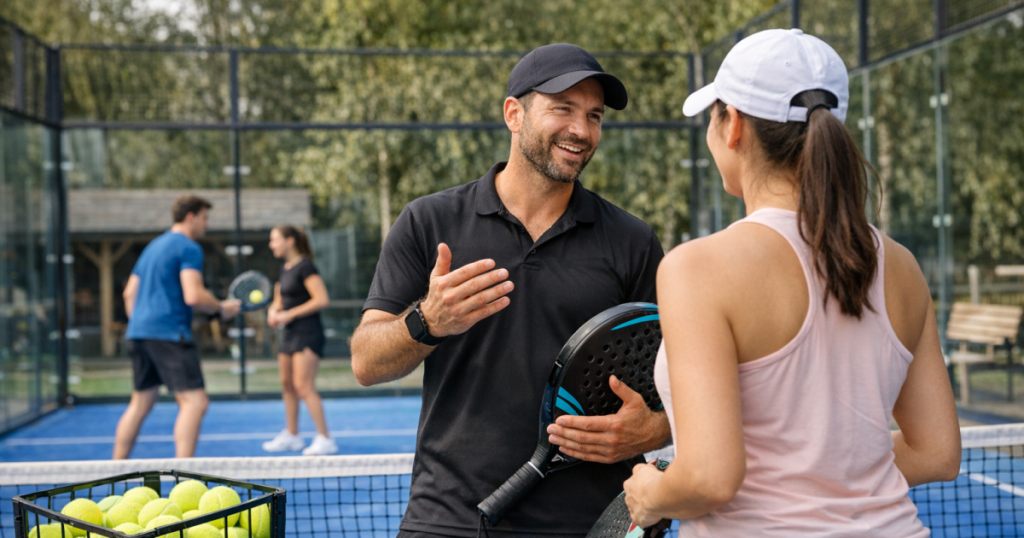
For a complete beginner, the first coaching session should remove confusion rather than add pressure. This Rocks Lane Padel Coaching review looks at whether the set-up is a sensible place to start: clear instruction, beginner-friendly pacing, enough court time, and a path towards regular club play.
Quick verdict: Rocks Lane looks like a strong option for first lessons if you want a structured club environment rather than informal hit-and-hope sessions. The main things to confirm before booking are the exact beginner level, group size, coach availability, session length, equipment expectations and how easy it is to keep playing afterwards.
Product overview
Rocks Lane is best understood as a club-based coaching option rather than a standalone online course or one-off social session. That matters for beginners because your first lesson is rarely just about learning the serve. It is also about getting used to court movement, walls, scoring, partner communication and the rhythm of club play.
The appeal is the setting. A proper coaching environment should give you a clearer route from “I have never played before” to “I can join a beginner game without feeling lost”. For early-stage players, that route is more valuable than a single flashy tip.
The most important booking check is whether the advertised lesson is genuinely aimed at new players. Some clubs use terms such as beginner, improver and intermediate differently, so ask what experience level the session assumes. A true first-lesson group should cover grip, court position, basic shot shape, use of the glass, scoring and safe movement without expecting you to rally for long periods straight away.
If you are still deciding whether the venue itself fits your routine, it is worth reading how to choose your first padel club before booking. Convenience, atmosphere and follow-on sessions matter just as much as the first hour of coaching.
Key specs
- Service type: in-person padel coaching at a club setting.
- Best-known use case: beginner and early-stage player development, subject to the specific session you book.
- Format to verify: group lesson, private lesson, course block or taster session.
- Level to verify: complete beginner, beginner improver or mixed-level group.
- Session length: check the current timetable before booking, as lesson lengths can vary by programme.
- Group size: ask how many players are normally on court with one coach.
- Equipment: confirm whether rackets are provided for first-timers or whether you need to bring your own.
- Footwear: check the club’s court footwear rules before attending.
- Price: confirm the current cost in £, including whether the booking is per session, per course or linked to membership.
- Progression route: ask whether there are follow-on beginner groups, socials, matchplay sessions or coaching blocks.
Pros and cons
Pros
- Good first-lesson structure: club coaching is usually better than trying to learn only through casual games, because a coach can correct grip, positioning and shot choice before habits settle.
- Clearer pathway into regular play: a club environment can make it easier to meet other beginners and move from lessons into organised games.
- Useful for nervous starters: a beginner group can feel less intimidating than turning up to an open match where everyone already knows the rhythm.
- Practical court learning: padel makes much more sense once someone shows you how the glass, spacing and partner movement work in real time.
- Potentially less gear pressure: many first lessons do not require you to own a racket straight away, though you should always confirm this before booking.
Cons
- Beginner level can be unclear: “beginner” does not always mean “never played”, so the wrong group may feel too fast.
- Group size affects attention: larger groups can be sociable, but you may get fewer individual corrections.
- Availability may shape your choice: the best session for your level is only useful if the timing works around your week.
- Follow-on options need checking: a good first lesson is less valuable if there is no obvious next session at the right level.
- Costs can add up: beginner courses, private lessons and club play can become a regular expense, so check the full route rather than only the first booking.
Performance in real use
For a first lesson, performance is not about how elite the coaching sounds. It is about whether you leave with fewer questions, more confidence and a realistic next step. On that basis, Rocks Lane’s club-style coaching format has a lot going for it, provided you book the right level.
Coaching clarity
A good beginner session should explain padel in simple, playable terms: where to stand, when to let the ball hit the glass, how to serve legally, and how to avoid crowding your partner. Watch for coaches who give short corrections rather than long lectures. Beginners usually improve faster when feedback is immediate and focused on one adjustment at a time.
Beginner pacing
The best first lessons start slowly and build into rallies. If a session jumps straight into competitive drills, new players can spend the hour chasing mistakes rather than understanding the game. Before booking, ask whether the session is suitable for someone who has never played padel before. That one question can prevent a poor first experience.
Court time and group size
Group coaching can be excellent value when the coach keeps everyone active. It becomes less useful when players spend too long waiting at the back of the court. A small group usually means more feedback, while a larger group can be more social and less intense. Neither is automatically better; the right choice depends on whether you want confidence, technique or a softer introduction.
Learning environment
For beginners, the environment matters more than many people expect. You want a session where it is normal to miss the glass, frame volleys and ask basic questions. A friendly group can make the difference between “I tried padel once” and “I’m going again next week”. Rocks Lane’s coaching is most attractive when it gives you that bridge into regular play.
Gear expectations
Do not rush into buying a racket before your first lesson unless the club says you need one. It is more sensible to learn what weight, balance and feel you like after a few sessions. Footwear is different: court grip and lateral support matter from day one, so confirm the shoe rules before attending. If you already own tennis shoes, ask whether they are accepted for the specific court surface.
Who it’s best for / who should skip it
Rocks Lane’s padel coaching is best for:
- Complete beginners who want proper instruction before joining games.
- Players who feel unsure about rules, scoring, glass rebounds and court positioning.
- Adults looking for a social but structured way into padel.
- Beginners who want a club pathway rather than a one-off hit with friends.
- Players who prefer learning in person rather than through videos alone.
You may want to skip it, or ask more questions first, if:
- You need a session specifically labelled for total beginners and the timetable only shows mixed-level coaching.
- You want intensive one-to-one technical work and only group sessions are available at suitable times.
- You cannot see a clear follow-on route after the first lesson.
- The venue is difficult to reach regularly, because consistency matters more than the name of the club.
- You mainly want competitive matchplay rather than coaching fundamentals.
For most first-timers, the decision should come down to fit rather than reputation alone. If the timing, level and coach-to-player ratio look right, it is a strong candidate for a first proper padel lesson.
Alternatives
If Rocks Lane is not convenient, or if the available session does not match your level, compare it with other structured beginner coaching routes. The most useful alternative is another local club that offers a clearly labelled first-timer session, because convenience makes it easier to attend regularly.
For a different style of club-based coaching, our David Lloyd padel lessons review is a helpful next comparison. It can give you a clearer sense of how coaching attached to a larger leisure-club environment may differ from a more focused racket-sports setting.
You can also consider a private first lesson if you feel nervous or want faster individual feedback. It will usually cost more than a group session, but it can be worthwhile if you want to understand the basics before stepping into a social group.
Helpful questions
Is Rocks Lane suitable for someone who has never played padel?
It can be, but only if the session is genuinely aimed at complete beginners. Ask the club whether the lesson covers rules, grip, court positioning and basic use of the glass from scratch.
Should I book a group lesson or a private lesson first?
A group lesson is usually the friendlier, more social starting point. A private lesson is better if you want focused attention, feel anxious about joining a group, or have specific technical issues from tennis or squash.
Do I need my own racket for a first lesson?
Do not assume either way. Ask before booking whether rackets are available for beginners. If you are not sure you will continue, borrowing first is usually the sensible move.
What should I check before paying?
Check the level, session length, group size, cancellation terms, footwear rules, whether equipment is provided and what the recommended follow-on session is after your first lesson.
How many lessons do beginners usually need?
Many players feel more comfortable after a few coached sessions, but progress depends on practice, confidence and how often you play. The key is to combine coaching with regular beginner-friendly games.
Verdict + score
Rocks Lane Padel Coaching is a strong first-lesson option if the available session is clearly matched to complete beginners and gives you a route into regular play afterwards. Its biggest strength is the club setting: you are not just learning shots, you are learning how padel works in a real playing environment. The main caution is to verify the exact level, group size, equipment policy and next-step pathway before booking. If those details line up, it is a confident choice for early-stage players. Score: 8.1/10.
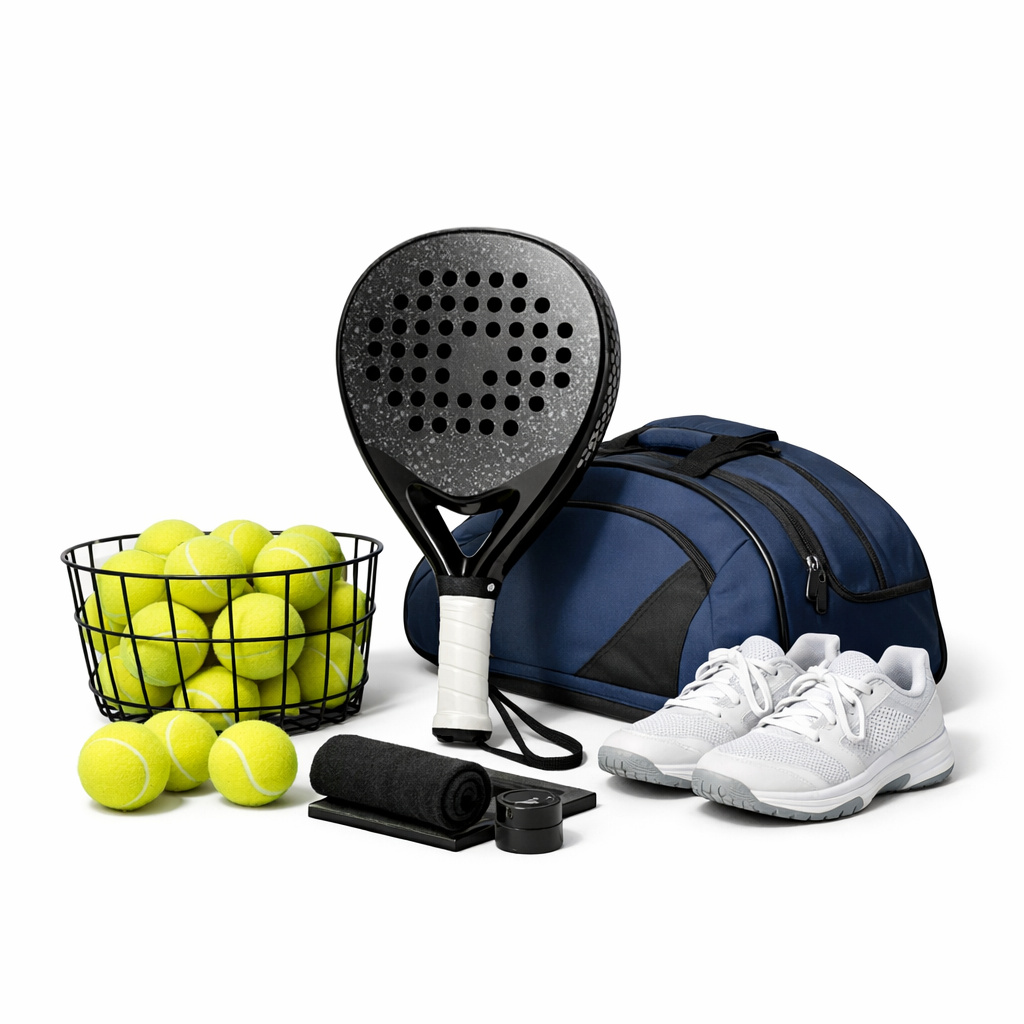
Rocks Lane Padel Coaching
Trusted resourcesHelpful exte rnal resources related to this topic.British Padel — associationPadel Magazine — mediaSport England — government agency You might also like: Hello Padel Academy Review: Worth It for Beginner Improvement?.
You might also like: Hello Padel Academy Review: Worth It for Beginner Improvement?.