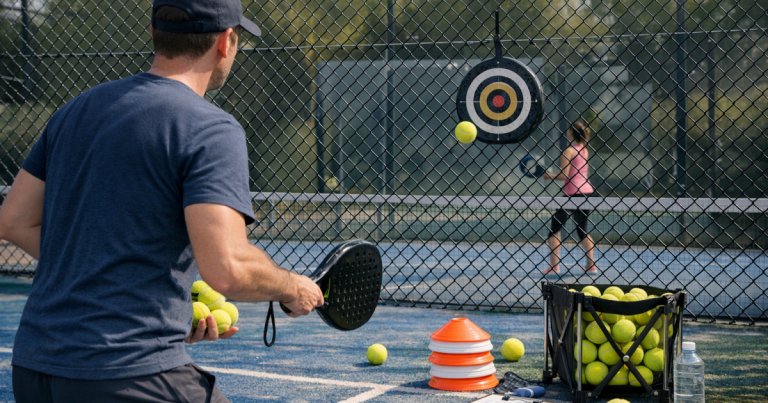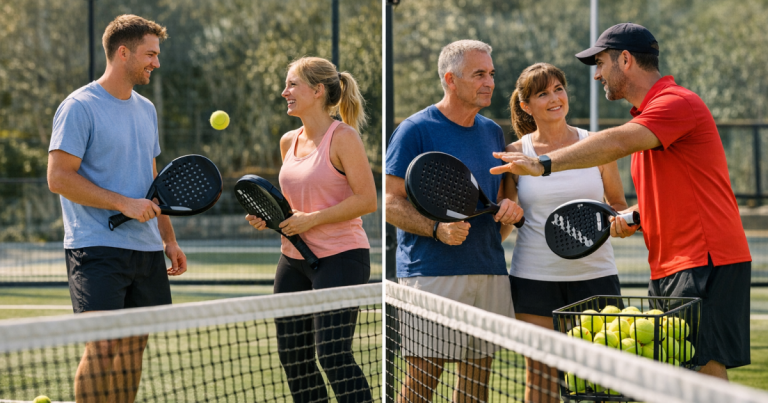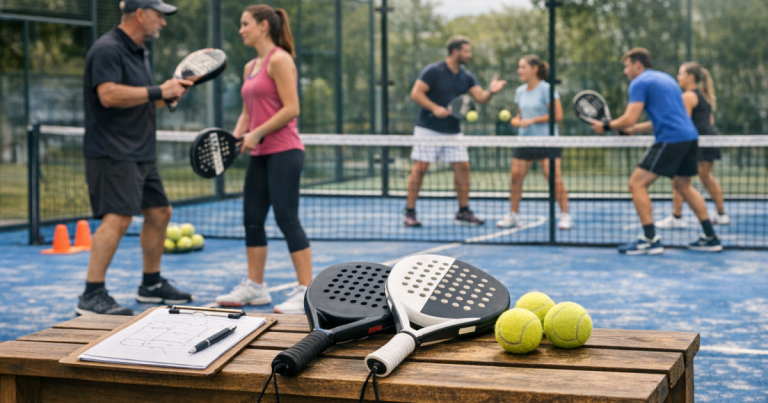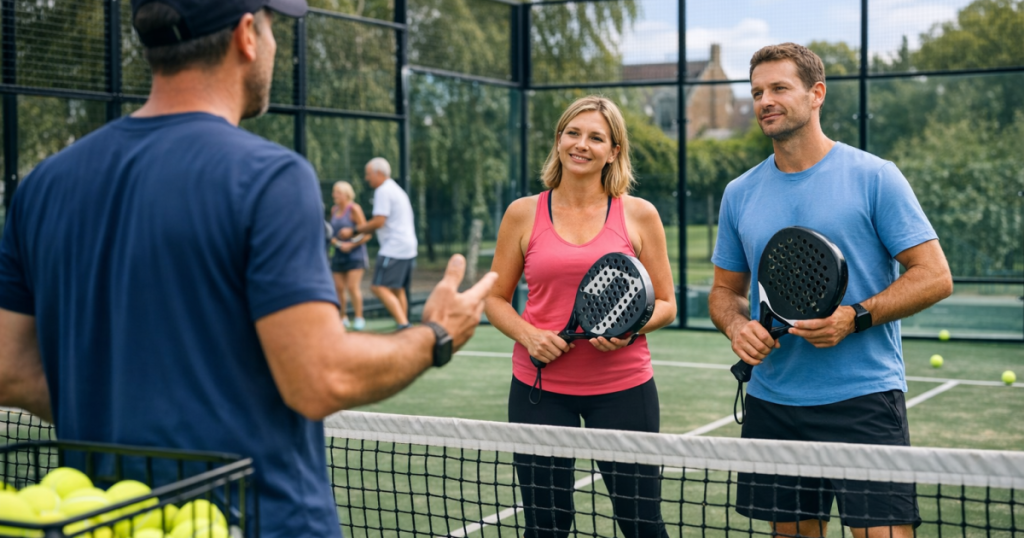
Booking a first coaching session can feel like a bigger step than it really is. You want enough structure to learn properly, but not so much pressure that the hour feels like a test. This Rocks Lane Padel Lessons review looks at whether the experience makes sense for complete beginners, early-stage players and anyone trying to move from casual rallies into more confident club play.
Quick verdict: Rocks Lane Padel Lessons are a sensible first step if you want guided basics, a more organised start than trial-and-error matches, and a venue-led route into regular play. The main things to check before booking are the exact lesson format, group size, coach availability, equipment policy and whether the session is genuinely aimed at beginners.
Product overview
Rocks Lane is a recognised racket-sports name in London, and its padel lessons sit in a useful middle ground for new players: more structured than turning up to a social game, but less intimidating than joining a competitive club session before you know the rules, scoring and court positioning.
The strongest reason to consider Rocks Lane Padel Lessons is that first-timers usually need more than just a court and a racket. Padel looks simple from the outside, but the glass walls, underarm serve, doubles positioning and slower tactical rhythm can confuse players coming from tennis, squash or no racket background at all. A coached session can tidy that up quickly.
This is not the kind of purchase where you should judge purely by brand name. The quality of the experience will depend on the coach, the lesson level, the player mix and how clearly the session is framed. A beginner lesson should give you enough hitting time, clear feedback, simple drills and a realistic sense of what to practise next.
Before booking, check Rocks Lane’s current booking information directly. Lesson availability, formats, venues, equipment provision and scheduling can change, and those details matter more than any general review.
Key specs
- Reviewed item: Rocks Lane Padel Lessons.
- Category: Padel coaching and beginner lesson sessions.
- Best use case: First lesson, confidence-building, basic technique, rules awareness and court positioning.
- Skill level to check: Look specifically for beginner, improver or introductory sessions if you are new to padel.
- Format to verify: Individual coaching, shared coaching or group lesson options may vary by venue and schedule.
- Equipment to verify: Check whether loan rackets and balls are included or whether you need to bring your own.
- Venue details to verify: Confirm the exact Rocks Lane location, court surface, session time and arrival process before travelling.
- Cost to verify: Check current lesson prices directly before booking, as session rates can change.
Pros and cons
Pros
- Good first-step environment: A lesson is usually less awkward than joining a random match when you do not yet know where to stand or how the walls work.
- Useful for tennis converts: Players with tennis habits often need help softening shots, using the glass and playing with patience rather than power.
- Structure helps beginners progress faster: A coach can explain serving, scoring, positioning and shot selection in a clearer order than most casual games will.
- Potential route into regular play: If the venue runs social sessions or group pathways, lessons can help you meet other players at a similar level.
- Less gear pressure: Many first-timers can start with basic sportswear and verify equipment details before buying their own racket.
Cons
- Experience may vary by coach and group: A great beginner lesson depends heavily on how well the session is pitched.
- You need to check the level carefully: An improver session may feel too quick if you are completely new.
- Group lessons can mean less individual feedback: They can still be valuable, but you may get fewer personalised corrections than in a one-to-one lesson.
- Availability may not match your routine: Convenient lesson times can be limited depending on venue demand.
- It is not a substitute for match practice: Coaching gives you tools, but you still need real games to build timing and decision-making.
Performance in real use
The best part of a beginner padel lesson is the removal of guesswork. Instead of spending the first few games wondering whether you are allowed to use the back glass, where to stand after serving, or why everyone keeps talking about the net, a coach can give you a simple framework.
For first-timers, the most valuable areas are usually serve routine, ready position, compact swings and basic doubles movement. If Rocks Lane structures the lesson around those basics, it should leave a new player feeling calmer and more capable, even if the technique is still rough. That matters because confidence is often the barrier that stops beginners from joining their next session.
Where lessons can be less effective is when the group contains too wide a spread of ability. A complete beginner sharing court time with confident improvers may either feel rushed or spend too much of the session retrieving balls rather than learning. If you are unsure, choose the most beginner-friendly option available rather than trying to stretch into a higher level too early.
A good first session should also explain padel behaviour, not just strokes. That includes calling the score, rotating fairly, respecting doubles partners and not apologising after every missed shot. These small social details help new players settle into club play. If that is your next step, it is worth reading about how to handle your first mixed-level padel match before you say yes to a social game.
Comfort also matters. You do not need to arrive with a bag full of specialist kit, but clean court shoes, breathable sports clothing and a water bottle will make the session easier. If you begin playing regularly, padel-specific footwear such as Asics Gel-Padel Pro 3 is worth considering, but it is not something most first-timers need to rush into before one lesson.
The lesson’s value is highest when you leave with one or two clear practice points rather than a long list of corrections. For example, “shorter backswing on volleys” or “recover to the middle with your partner” is useful. A vague feeling that you “need to get better” is not. If feedback is not offered automatically, ask the coach what you should focus on next time.
Who it’s best for / who should skip it
Rocks Lane Padel Lessons are best for players who want a low-friction way to start properly. If you are nervous about joining strangers, unsure of the rules, or coming from tennis and struggling to adapt, a coached session is a smart use of time. It can also suit pairs or small groups of friends who want to learn together before booking their own court.
It is also a good option if you have played once or twice and realised that padel is more tactical than it first looked. Early coaching can stop common habits becoming fixed: swinging too big, standing too deep, overhitting from the back, or trying to win every point with a hard shot.
You might skip it, at least for now, if you already have access to a patient group of similar-level players and simply want relaxed rallies. You may also prefer a private coach elsewhere if your goal is highly personalised technical work, tournament preparation or detailed video feedback. For most beginners, though, the bigger priority is getting comfortable enough to play regularly.
Alternatives
The closest alternative is a beginner social session at a local padel club. That can be cheaper or more flexible depending on the venue, and it gives you immediate match experience. The trade-off is that you may receive less instruction, so mistakes can go uncorrected for longer.
Another option is to book a court with friends and learn the basics together. This works well if someone in the group already knows the rules and can keep things organised. If everyone is new, a lesson first will usually save time and reduce frustration.
If your main aim is finding people to play with after a lesson, start building that habit early. The guide on how to find people to play padel with is a useful next step once you have enough confidence to join regular games.
Questions people ask
Do I need my own racket for Rocks Lane Padel Lessons?
Check with Rocks Lane before booking. Some beginner sessions may offer loan equipment, but you should confirm the current policy for the exact venue and lesson type.
Are padel lessons worth it before my first match?
Yes, if you want to understand the rules, positioning and basic shot choices before playing with others. Even one lesson can make your first match feel much less chaotic.
Should I choose a group lesson or private lesson first?
Choose a group lesson if you want a sociable, lower-pressure introduction. Choose a private lesson if you want more individual feedback or feel very nervous about starting.
What should I ask before booking?
Ask about the session level, group size, equipment, court location, cancellation terms and whether the lesson is suitable for complete beginners.
What should I do after the lesson?
Book another hit within a week or two if possible. Padel improves quickly when you practise the same basics again before they fade.
Verdict + score
Rocks Lane Padel Lessons are a strong option for first-timers who want a structured, confidence-building start rather than guessing their way through early games. The experience is most appealing if you choose the right level, verify the practical details before booking and treat the lesson as a launchpad into regular play. It is not the only route into padel, and the quality will depend on the coach and group mix, but for beginners who want clarity and reassurance, it makes a lot of sense. Score: 8.2/10.
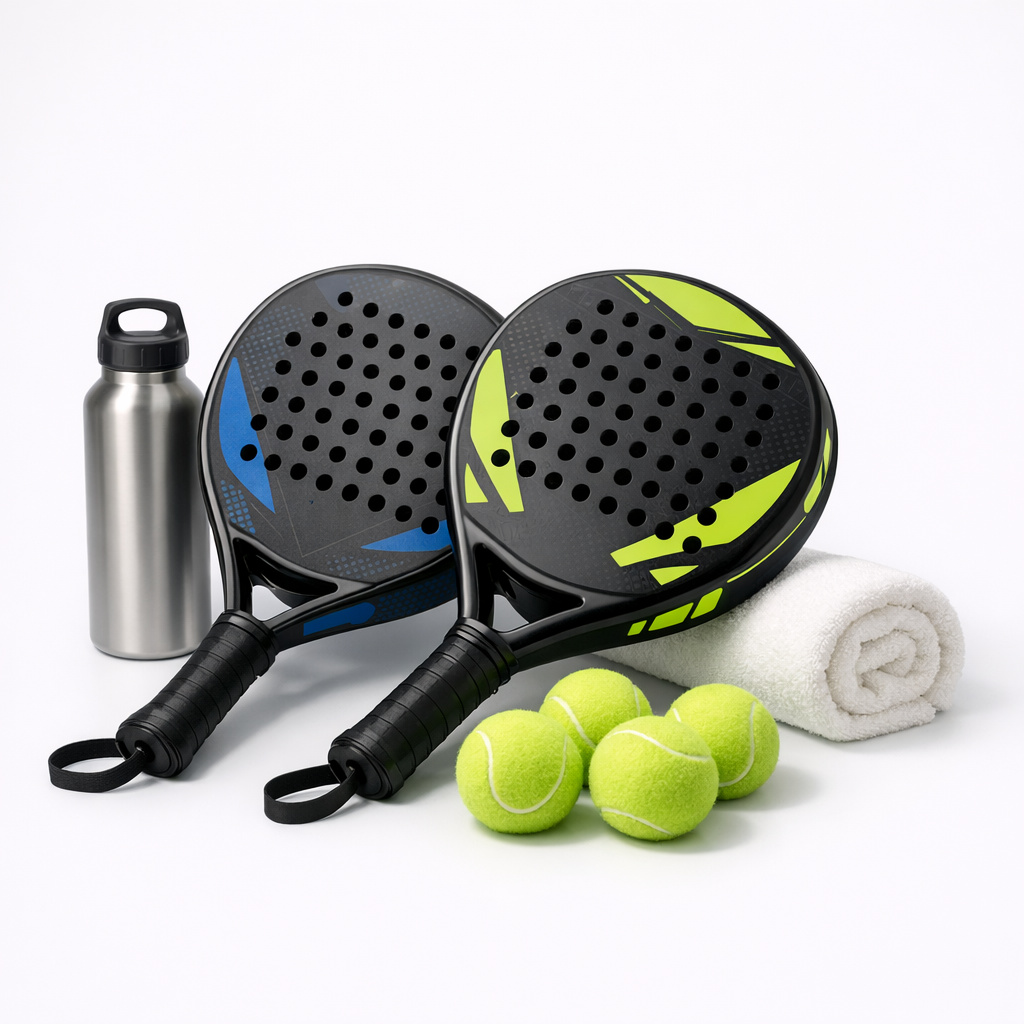
Rocks Lane Padel Lessons
Trusted re sourcesHelpful external resources related to this topic.British Padel — associationPadel Magazine — mediaSport England — government agency You might also like: Spinfire Pro 2 Review: Worth Using for Solo Padel Drills?.
You might also like: Spinfire Pro 2 Review: Worth Using for Solo Padel Drills?.