Your first regular club nights reveal quickly whether your trainers are helping or holding you back. This Nox AT10 Lux Padel Shoes review looks at whether a padel-specific pair gives beginners enough comfort, grip and confidence to justify moving on from general gym shoes.
The short version: the Nox AT10 Lux Padel Shoes are worth considering if you want a more padel-focused first club pair without jumping straight into an ultra-stiff, competition-feeling shoe. The main appeal is the balance of court confidence and everyday wearability, but fit and outsole suitability are the two things to check carefully before buying.
Product overview
The Nox AT10 Lux Padel Shoes sit in the useful middle ground for newer players: more court-specific than running trainers, but not so specialist that they feel intimidating for a first proper pair. That matters because beginner padel is full of awkward stops, small recovery steps and sideways pushes, rather than long straight-line movement.
For a player who has been using running shoes, gym trainers or old tennis shoes, the biggest change should be how settled the foot feels during direction changes. Padel shoes are generally designed around lateral support and grip on artificial-turf courts, which is exactly where casual footwear can feel vague. You still need to check the exact outsole shown by the retailer, because padel shoe listings can vary by colourway, production run or regional stock.
The AT10 name also gives the shoe instant visibility among padel fans, but beginners should avoid buying on branding alone. The real question is simpler: does the shoe feel secure, comfortable and suitable for the courts you actually play on in the UK? If the answer is yes, it can be a sensible first upgrade.
Key specs
- Product type: padel-specific court shoe for recreational and club players.
- Best use: artificial-turf padel courts, including the sand-dressed surfaces commonly found at UK clubs.
- Closure: lace-up fit, with the usual benefit of being able to fine-tune pressure across the foot.
- Fit check: confirm your size against the retailer’s current Nox size guide, and allow for the socks you normally wear for padel.
- Outsole check: verify that the listed sole pattern is suitable for your club’s padel courts before ordering.
- Upper and cushioning: check the current product listing for material and cushioning details rather than assuming every colourway is identical.
- Care: brush off loose sand and let the shoes air naturally after play to help keep the upper and sole in better condition.
Pros and cons
Pros
- Feels like a logical step up from general trainers for early-stage club padel.
- Padel-specific design should give better movement confidence than most running shoes on court.
- Beginner-friendly if you want support without a harsh, overly rigid feel.
- Works well as a dedicated padel pair, helping you keep outdoor grime and sand away from everyday footwear.
- The Nox AT10 styling will appeal to players who want a recognisable padel brand rather than a generic court shoe.
Cons
- Fit is the make-or-break factor, so buying without checking size guidance is risky.
- Some players may prefer a firmer, more planted competition shoe once they play faster matches.
- Outsole details should be checked carefully against your usual club surface.
- Not the right purchase if your current court shoes already fit well, grip properly and feel stable during lateral movement.
Performance in real use
Comfort: The AT10 Lux makes most sense as a first serious club shoe because it aims at everyday comfort rather than only high-intensity match play. For beginners, comfort is not a luxury feature. If your shoes pinch, rub or feel too narrow, you will stop moving properly and start reaching for balls instead of taking small adjustment steps.
When trying them on, pay attention to the forefoot and heel rather than only overall length. Your toes should not be crushed during quick stops, and the heel should not lift every time you push sideways. Padel involves lots of split steps and short shuffles, so a shoe that feels fine standing still can still feel sloppy once rallies begin.
Grip: On UK padel courts, the surface can feel quite different depending on how much sand is present, how recently the court has been brushed and whether it is indoors or outdoors. The important point is not to chase maximum grip at all costs. Beginners need enough bite to feel secure, but also enough give to rotate and recover without feeling stuck.
Before buying, compare the outsole shown in the product listing with what your club recommends. Some venues are relaxed, while others are more particular about suitable non-marking court footwear. If you are working on movement basics, this guide to padel movement drills with training cones is a useful next step once your footwear feels stable.
Support: The main advantage over running trainers is lateral confidence. Running shoes are built mainly for forward motion, while padel asks you to brake, turn and push off in several directions. A dedicated padel shoe like the AT10 Lux should feel more reassuring when you move to defend the glass, step into a volley or recover towards the centre after a lob.
Durability: Beginners often underestimate how rough padel can be on footwear. Dragging the toe, brushing the side of the shoe against the turf and carrying sand in the sole all add up. The AT10 Lux should be treated like sports equipment rather than casual trainers: loosen the laces properly, avoid leaving them damp in your bag, and clean off grit after play.
Value: Value depends less on the cheapest available price and more on how often you play. If you play once every few weeks, a dedicated pair may feel like a nice-to-have. If you are now playing weekly, taking lessons or joining club sessions, the case becomes much stronger. Footwear affects every point, including the points where you barely touch the ball.
Who it’s best for / who should skip it
The Nox AT10 Lux Padel Shoes are best for beginners and improving club players who are ready to stop using general trainers on court. They make particular sense if you have started playing regular matches, feel unsure during sideways movement, or want a dedicated pair that lives in your padel bag.
They are also a good fit for players who value comfort and confidence over a very aggressive match-day feel. If you are still learning positioning, defending the corners and recovering after volleys, a comfortable shoe that encourages better movement is usually more useful than the stiffest option available.
Skip them if you already own a court shoe that grips well, supports lateral movement and feels comfortable for full sessions. You might also skip them if you have a very specific foot shape and cannot try them on or return them easily. Shoes are personal, and no review can replace checking the fit on your own feet.
Alternatives
If you like the idea of a padel-specific shoe but want to compare fit, the Asics Gel-Padel Pro 3 is a recognisable alternative to look at. Do not treat it as automatically better or worse; use it as a fit and feel comparison, especially around heel hold, forefoot width and how secure the shoe feels when you push sideways.
If shoes are only one part of your first proper setup, it is worth sorting priorities before buying everything at once. A stable pair of shoes may help your movement immediately, while your racket choice affects control, comfort and confidence on the ball. For that decision, read the site’s guide to control versus power padel rackets.
Common questions
Can I use running shoes for padel instead?
You can for a very first taster session, but they are not ideal for regular play. Running shoes are usually designed for forward movement, while padel involves repeated sideways pushes, turns and small recovery steps.
Are the Nox AT10 Lux Padel Shoes only for advanced players?
No. The AT10 branding may look performance-led, but the shoe can still suit beginners if the fit is right and the outsole matches the court surface you use.
Should padel shoes feel tight at first?
They should feel secure, not painfully tight. Your heel should stay stable, but your toes need enough room for stopping, turning and playing a full session without rubbing.
How should I look after padel shoes?
Remove loose sand after play, let them air naturally and avoid leaving damp shoes zipped inside your bag. Simple care helps the sole and upper stay in better shape.
Verdict + score
The Nox AT10 Lux Padel Shoes are a strong candidate for a first dedicated club pair if you want comfort, recognisable padel styling and more confidence than general trainers can offer. They are not a magic fix for footwork, and the fit still needs checking carefully, but they make sense for beginners who are starting to play more often and want footwear that matches the demands of the game. Score: 8.1/10.
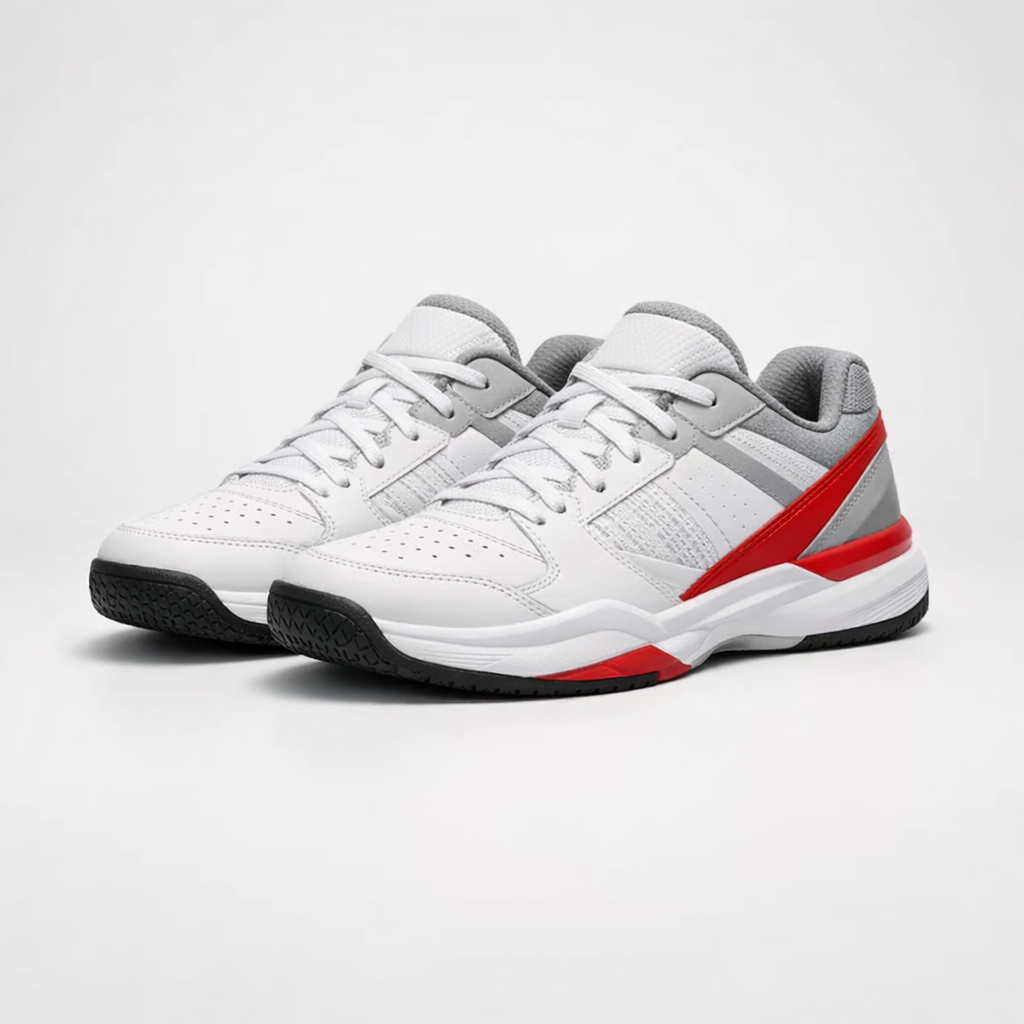
Nox AT10 Lux Padel Shoes
They are not a magic fix for footwork, and the fit still needs checking carefully, but they make sense for beginners who are starting to play more often and want footwear that matches the demands of the game.
You might also like: Padel Tie-Break Rules: How Sets and Matches Are Decided.