A drill-heavy evening can make tired balls feel obvious: feeds sit up, volleys lose their bite, and rallies start to feel flatter than they should. This Head Padel Pro Balls review looks at the question beginners actually care about: can one tin cope with coaching baskets, serve practice and a few sets afterwards?
What to know first
Quick verdict: Head Padel Pro Balls are a sensible, club-friendly choice if you want a ball that feels familiar, lively enough for proper rallies, and dependable through a normal training session. They are not magic: repeated basket feeding, cold conditions, damp courts and long storage after opening will all shorten useful life. But for beginners moving from casual hits into regular drills, they feel like a reliable step up from random, tired balls found at the bottom of a bag.
The main reason they make sense for early-stage players is consistency. When you are working on bandejas, lobs, returns or controlled volleys, you need the ball to behave predictably. A lively-but-manageable ball helps you judge timing without blaming every mishit on equipment. If your coach or club already uses Head balls, staying with a similar feel also makes practice transfer more cleanly into match play.
Product overview
Head Padel Pro Balls are pressurised padel balls from Head, aimed at regular padel use rather than being a novelty training item. They are commonly seen around club courts, coaching sessions and social matches, which matters because beginners benefit from practising with a ball that feels close to what they are likely to meet in real games.
The feel is the important part. Fresh from a sealed tin, they offer enough bounce to keep drills moving without feeling wildly springy. In feeding drills, that helps the feeder keep a rhythm and gives the hitter a fair read on the ball. In point play, they give decent response off the glass, the racket face and the court, so you can work on placement rather than simply chasing dead rebounds.
Do not judge any padel ball only by how it feels in the first five minutes. The better test is whether the bounce stays usable once several players have rotated through drills, the balls have hit the glass repeatedly, and the felt has picked up court dust. For a broader explanation of how pressure, speed and bounce affect play, the site’s guide to padel balls and when to replace them is a useful companion read.
For UK buyers, the practical shopping checks are simple: make sure you are buying padel balls rather than tennis balls, check whether the listing is for a single tin or a multipack, and avoid tins that look damaged or poorly stored. Pressurised balls depend on a good seal before opening, so the cheapest listing is not always the best value if the stock has been handled badly.
Key specs
- Product name: Head Padel Pro Balls.
- Brand: Head.
- Product type: pressurised padel ball.
- Primary use: padel drills, coaching sessions, social matches and club play.
- Player level: suitable for beginners through regular club players who want a familiar, predictable ball.
- Surface context: designed for padel courts; performance will vary with court condition, temperature, moisture and how heavily the balls are used.
- Buying check: verify the tin count, pack size and packaging condition before ordering, especially when buying multipacks online.
Pros and cons
Pros
- Predictable enough for drills: the ball gives beginners a fair read when repeating the same shot pattern many times.
- Good club familiarity: Head balls are widely recognised in padel, so the feel should not be strange if you move between coaching and social games.
- Useful bounce when fresh: they have the liveliness needed for realistic rallies, glass rebounds and overhead practice.
- Not too specialist: you do not need to be an advanced player to benefit from them; the appeal is straightforward consistency.
- Easy to rotate into match play: after drills, they can still be used for games if the bounce remains even and the felt is holding up.
Cons
- Heavy basket work still wears them down: no standard pressurised padel ball stays fresh indefinitely when hit hundreds of times in a session.
- Storage matters: once opened, the useful bounce drops over time, particularly if the balls are left loose in a bag.
- Cold or damp conditions can make them feel flatter: UK winter sessions and outdoor moisture can affect perceived bounce.
- Not a fix for poor feeding: if the drill rhythm is rushed or inconsistent, a better ball will not solve the session on its own.
- Value depends on how you use them: players who only play occasional casual games may not notice enough difference to justify always using fresh tins.
Performance in real use
During repetitive drills
This is where Head Padel Pro Balls make the strongest case. In a typical beginner or improver drill, you might repeat the same shot for several minutes: cross-court forehands, volley-to-volley control, lobs into the back corner, or bandeja feeds from the coach. A ball that starts lively but settles into a predictable rhythm is helpful because the player can focus on footwork, contact point and recovery position.
They hold up well enough for a normal club training block, provided expectations are realistic. If a coach is feeding from a basket to four players for a full session, the balls will lose some of that new-tin pop. That is normal. What matters is whether they remain even across the group. When one ball starts dropping short while another jumps off the glass, drills become less useful. With these, the decline tends to be gradual rather than immediately distracting.
For serves, returns and point play
Serve practice is a good durability check because the same balls are struck firmly over and over. Fresh Head Padel Pro Balls give enough response to practise depth and direction without making the serve feel artificial. For beginners, that is valuable: you want to learn how a legal, controlled padel serve behaves, not how to bully a dead ball over the net.
In return drills and short points, the bounce remains clear enough to train decision-making. You can see whether the ball is sitting up, skidding, or dropping after the glass, which helps you choose between blocking, lobbing or stepping in. As they wear, expect the game to slow slightly. That can still be useful for controlled practice, but once the bounce becomes uneven, it is time to demote them to warm-ups.
Felt, sound and replacement signs
Beginners often wait too long before changing balls because a worn ball still looks “fine”. Better signs are sound, height and consistency. If the ball starts landing with a duller note, struggles to come up after the glass, or behaves differently from the other balls in the same tin, it has moved past its best for quality drills.
Felt wear is also worth watching. Court sand, glass contact and repeated smashes all roughen the outside. Some fluffing is normal, but if the ball feels noticeably slow through the air or starts producing lazy rebounds, it is no longer giving you the feedback you need. Keep those older balls for gentle warm-ups, hand-feed technique work or solo touch practice, but use fresher ones when you are trying to improve timing.
Value for weekly club players
For someone playing once a week, the value is strongest when you treat the balls as part of the session quality rather than a luxury. Fresh, consistent balls make drills cleaner. They also reduce the common beginner problem of adjusting to a dead ball in practice and then feeling rushed when match balls are livelier.
If you are trying to stretch life between sessions, storage is the part to control. Keep opened balls together, avoid leaving them rolling loose in a damp boot, and separate fresher match balls from older drill balls. Some players also use pressure storage containers between games; if that interests you, our Pascal Box review for weekly club games explains what to think about before relying on one.
Who it’s best for / who should skip it
Head Padel Pro Balls are best for beginners and improvers who attend lessons, join weekly club nights, or practise structured drills with friends. They suit players who want a dependable ball for realistic rallies, rather than a bargain option that feels fine for ten minutes and then drops off sharply.
They are also a good fit for small groups sharing the cost of fresh balls. If four players are doing an hour of drills followed by a match, starting with a known, consistent padel ball makes the session feel more organised. It is not glamorous, but it improves the quality of the practice.
You might skip them if you only have the occasional casual knockabout and are not bothered by ball feel, or if your club supplies balls for every session. You should also skip buying in bulk until you know you like the feel. Padel balls are personal enough that some players prefer a slightly softer or slower response, especially while learning control.
Things readers ask
Can one tin last a full drill session?
For a normal beginner or improver session, yes, it should usually remain usable. For intensive basket feeding or multiple back-to-back groups, expect the bounce to fade and rotate in fresher balls sooner.
Are Head Padel Pro Balls suitable for complete beginners?
Yes. They are not reserved for advanced players. Beginners benefit from predictable bounce because it makes timing, positioning and shot feedback easier to understand.
Should I use old balls for drills?
Use older balls for gentle warm-ups or slow technical feeds. For drills where you are learning depth, glass rebounds or match-speed reactions, fresher balls give better feedback.
How do I know when to replace them?
Replace them for serious practice when the bounce becomes uneven, the sound turns dull, or the ball no longer rebounds cleanly from the glass and court.
Alternatives
If you want to try a different feel without turning this into a full ball cupboard, two recognisable options are Wilson X3 Padel Balls and Babolat Court Padel Balls. Check what your local club uses before switching, because matching your practice ball to your usual match environment is often more useful than chasing tiny differences between fresh tins.
The main alternative is not necessarily another ball; it is better ball management. Keep one fresher set for match-like drills, one older set for warm-ups, and retire balls properly when they stop behaving consistently. That habit will do more for your practice quality than squeezing every last rally from a tired tin.
Verdict + score
For this Head Padel Pro Balls review, the useful answer is yes: they can last through drills well enough for beginner and improver club sessions, as long as you do not expect them to feel freshly opened forever. Their strengths are predictable bounce, familiar club feel and good usefulness across drills and games. Their limits are the same limits every pressurised padel ball faces: heavy repetition, poor storage and damp or cold conditions will wear them down. Score: 8.4 out of 10.
Final thoughts
Overall, Head Padel Pro Balls earns a score of 8.4/10. It is a strong option for readers who want the benefits discussed above, while still being worth comparing against the alternatives before buying.
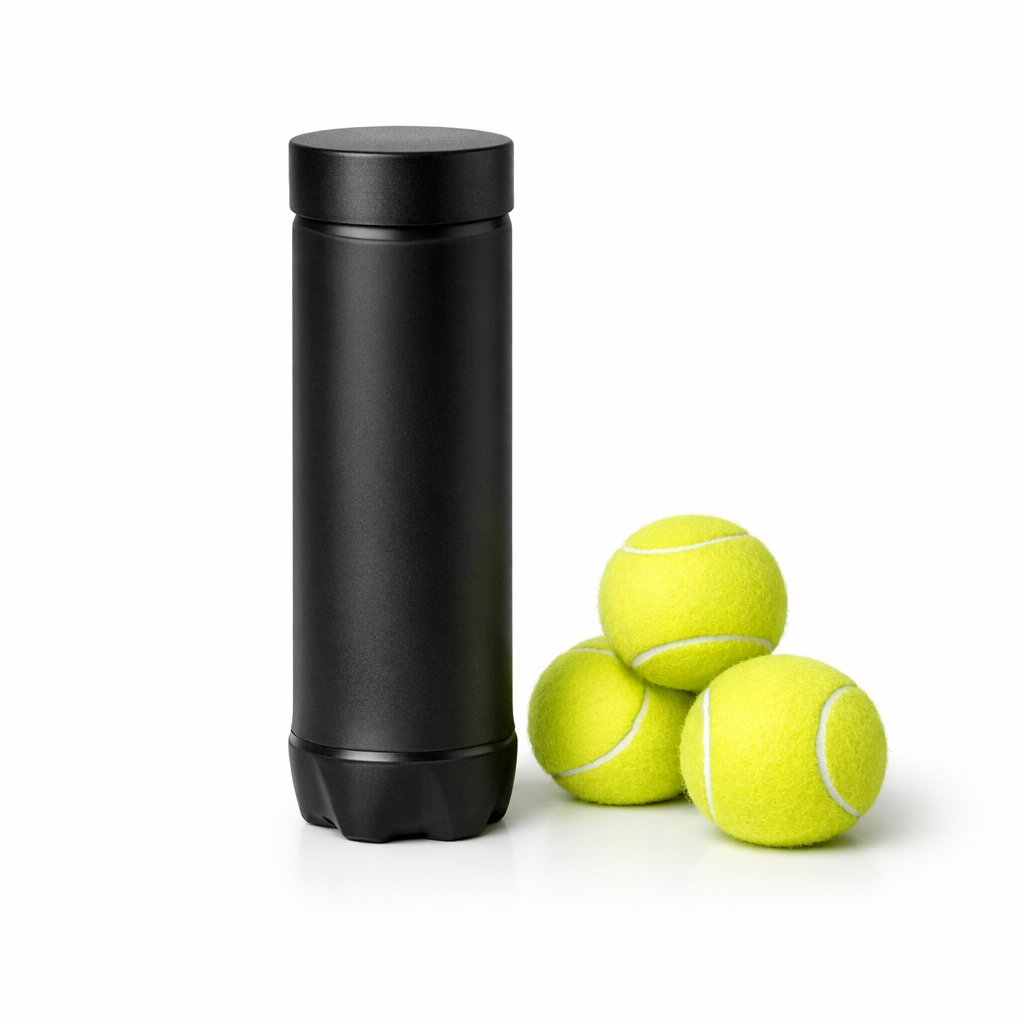
Head Padel Pro Balls
Their limits are the same limits every pressurised padel ball faces: heavy repetition, poor storage and damp or cold conditions will wear them down.
You might also like: Bullpadel Padel Bag vs Head Padel Racket Bag: Which Should Beginners Choose?.