A worn or slippery grip can make a perfectly sensible beginner racket feel harder to control than it really is. This Babolat VS Original Overgrip review looks at a simple accessory that can sharpen the feel in your hand without asking you to change racket, shoes or technique.
The short verdict: Babolat VS Original is a good option if you like a thin, clean-feeling overgrip and do not want to build up the handle too much. It is less convincing if you want a very cushioned, sticky or sweat-heavy grip for long indoor sessions.
What Babolat VS Original is trying to do
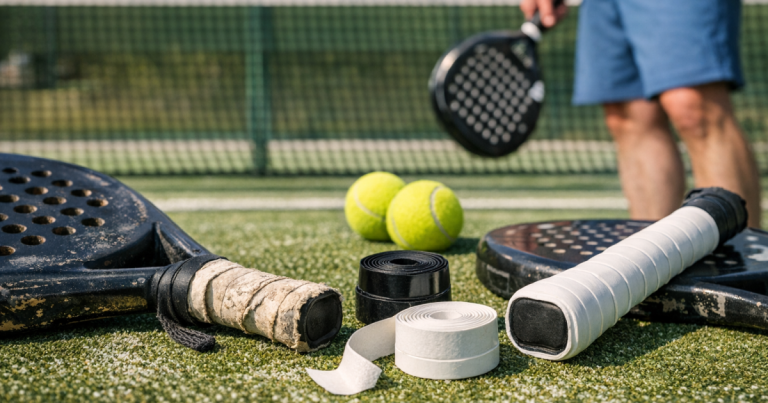
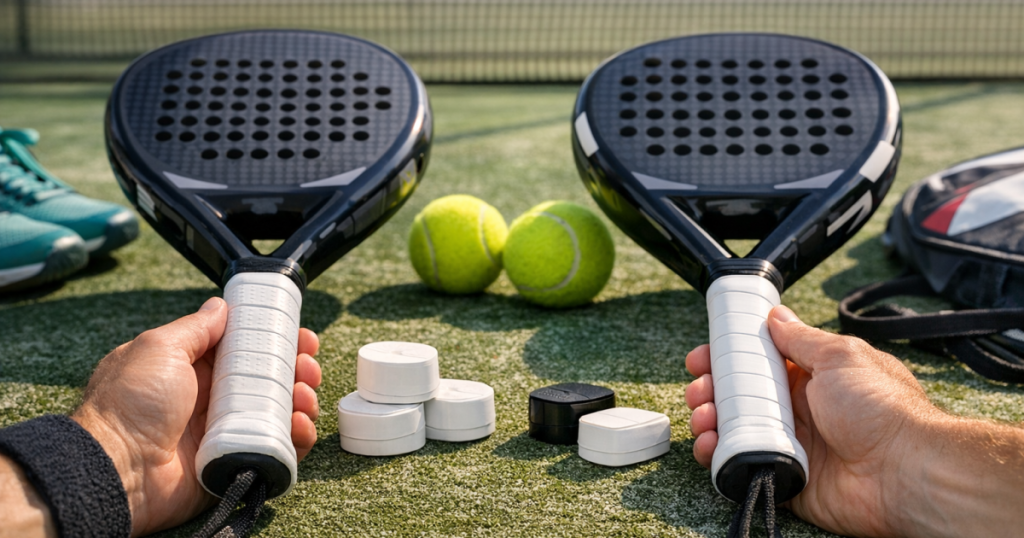
Babolat VS Original Overgrip is a replacement layer that sits over the existing grip on your padel racket handle. It is not the same thing as the base replacement grip, which is the thicker grip fitted directly to the handle. An overgrip is the part most players change regularly because it gets sweaty, compressed and dirty first.
This particular overgrip is best understood as a feel-first option. It aims to keep the handle slim and direct rather than adding a plush, sponge-like layer. For padel beginners, that matters because handle feel affects how confidently you hold the racket during volleys, bandejas, returns and quick defensive blocks off the glass.
If you are still working out your preferred racket type, it is worth remembering that a grip can change the way a racket feels in the hand, but it will not fix the wrong racket choice. For the bigger picture, our guide to padel racket weight and shape explains the core beginner decisions before you start fine-tuning the handle.
How it feels on a beginner padel racket
The standout feature is the thin, connected feel. On a typical beginner racket, Babolat VS Original lets you feel the handle edges more clearly than a bulkier overgrip. That can help with grip awareness, especially when switching between a neutral ready position and a slightly adjusted volley or serve grip.
The feel is smooth rather than aggressively tacky. If you like the sensation of your palm being almost glued to the handle, this may not be your favourite choice. If you dislike very sticky grips and prefer something that lets you adjust your hand position without a fight, it is much easier to appreciate.
For early-stage players, the main benefit is control rather than power. A secure, correctly sized handle helps you relax your forearm. That matters because many beginners squeeze too tightly, which can make touch shots harder and can reduce racket-head speed on simple overheads. A fresh overgrip will not correct technique on its own, but it can remove one irritating source of tension.
Step-by-step: how to judge it before committing
1. Fit it to a racket you already know
The easiest way to test any overgrip is to put it on a racket you have already used for a few sessions. If you change racket and grip at the same time, it becomes difficult to know what is improving or annoying you. Wrap it neatly, avoid big overlaps, and finish it securely so the top edge does not peel during play.
2. Check handle thickness after fitting
After fitting, hold the racket in your normal continental grip. The handle should feel secure without forcing your fingers too far open. Babolat VS Original is a sensible choice when you want a modest change rather than a noticeably chunkier handle. If your current handle already feels too narrow, you may prefer a more cushioned overgrip or a second layer, though stacking layers can reduce handle definition.
3. Play a normal club session, not just a warm-up
A few forehands in the warm-up will not tell you much. Use it through serves, returns, volleys, lobs and at least a few defensive points from the back glass. If your hand starts sliding only when the rally becomes quicker, that is the useful information. Padel grips need to work when you are moving, reacting and slightly late, not just when you are standing still.
4. Notice sweat and comfort honestly
If you play in a warm indoor centre, sweat management matters. Some players will find this overgrip perfectly fine for short or moderate sessions; others may want something more absorbent or tacky. Do not judge it by looks alone. If you are wiping your palm between every point, the feel may be too dry or too smooth for your conditions.
5. Replace it before it ruins your timing
An overgrip is a wear item. When the surface looks polished, feels slippery, or starts to twist under your fingers, it has stopped doing its job. Beginners often blame mishits on technique when the handle is simply past its best. Keeping a spare in your bag is a small habit that can save a frustrating match.
What it does well
- It keeps the racket feeling precise: the slim feel helps preserve the handle shape, which can be useful for learning consistent grip positions.
- It suits players who dislike bulky handles: if cushioned overgrips make your racket feel vague, this is a cleaner alternative.
- It is easy to understand: there are no complicated choices once you know you want a thin overgrip rather than a padded one.
- It works well as a diagnostic change: if your racket feels slippery but otherwise comfortable, changing the overgrip is a cheaper first step than changing the whole racket.
Where it may fall short
- It is not the most cushioned option: players who want extra softness in the palm may find it too minimal.
- It may not suit very sweaty hands: if your grip usually becomes wet quickly, compare it with a more absorbent or tackier alternative.
- It will not correct poor handle size: if the racket handle is fundamentally too small or too large, an overgrip can only help so much.
- It needs regular replacement: like any overgrip, it is not a fit-and-forget accessory.
How it compares with other overgrip styles
The closest alternatives are tackier all-round overgrips such as Wilson Pro Overgrip and more cushioned-feeling options such as Yonex Super Grap. Those are not automatically better or worse; they simply solve a slightly different problem.
- Choose Babolat VS Original if you want a thinner, more direct handle feel and do not need a lot of padding.
- Choose a tackier overgrip if your main complaint is the racket twisting or slipping during faster exchanges.
- Choose a more cushioned overgrip if the handle feels harsh, too narrow, or uncomfortable in longer games.
- Try before changing racket if your only issue is grip security. A fresh overgrip can make an old racket feel far more usable.
If you are testing rackets at a club or demo event, pay attention to the grip condition before judging the frame itself. A tired grip can make a good racket feel poor. Our advice on trying a padel racket before you buy is a useful next step if you are comparing racket feel properly.
Best fit for beginner padel players
Babolat VS Original is best for beginners who already like the size of their handle and simply want a fresher, cleaner contact point. It suits players who value control, grip awareness and a compact handle feel. It is also a good option if you are moving from hire rackets to your own racket and want a tidy setup without making the handle feel unfamiliar.
It is less ideal for players who use a very tight grip, sweat heavily, or want the overgrip to hide vibration and roughness. In those cases, a softer or more absorbent option may feel more forgiving. For most new players, the right test is simple: after one full match, did you think about your grip less? If yes, the overgrip is doing its job.
Care and storage checks
Overgrips wear out faster when they stay damp in a closed compartment. After a match, let the handle air for a few minutes before packing it tightly away. If the grip is sweaty, do not leave it pressed against clothing or a towel for days. That is a quick route to odour and a tacky, tired surface.
Good bag habits matter more than many beginners realise. If your racket, shoes and clothing all live in the same compartment after indoor club sessions, smell builds up quickly. The tips in our guide to stopping your padel bag smelling between matches also apply to sweaty grips and towels.
Verdict: a neat grip upgrade, not a miracle fix
For a beginner-friendly padel setup, Babolat VS Original is a strong choice when you want a thin, controlled overgrip that keeps the racket handle feeling sharp. It is not the safest pick for players who want maximum cushioning or a very sticky hold, but it does its main job well: refreshing the handle without changing the character of the racket too much.
Our beginner-focused rating is 4.1 out of 5. The score reflects its clean feel, easy fit and usefulness as a low-cost upgrade, balanced against its limited cushioning and the fact that sweat-heavy players may need a different texture.
Things readers ask
Is Babolat VS Original good for padel, or is it only for tennis?
It can be used for padel. Padel and tennis overgrips serve the same basic purpose: adding a fresh outer layer to the handle. The important question is whether the feel suits your hand and playing conditions.
How often should a beginner change an overgrip?
Change it when it looks shiny, feels slippery, smells stale, or starts moving under your fingers. Some players replace grips after a few sessions; others can go longer depending on sweat, court conditions and playing frequency.
Can I put it over the grip already on my racket?
Yes, an overgrip is designed to go over the existing base grip. Remove old overgrips first, but do not remove the base grip unless you are deliberately replacing it with a new replacement grip.
Will a thinner overgrip help me hold the racket correctly?
It can make the handle edges easier to feel, which may help grip awareness. It will not teach the correct grip by itself, so combine it with basic coaching or focused practice if your hand position keeps changing.
The big picture
Babolat VS Original is a sensible overgrip for beginners who want a cleaner, more precise handle without adding much bulk. Buy it for feel and control, not for maximum padding. If your racket is slipping, fit a fresh overgrip before blaming the racket; if your hand still feels insecure after that, the next step is to look at handle size, grip style and racket choice more broadly.