Starting padel is exciting until the basket fills up with rackets, shoes, balls, bags, grips and clothing you are not sure you need. Understanding padel equipment costs early helps you spend on the kit that improves comfort, control and confidence, while leaving the nice-to-have extras for later.
Main points
- For most beginners, the first priority is safe, comfortable footwear and a forgiving racket, not premium accessories.
- A sensible starter setup can be built gradually rather than bought all at once.
- Club hire rackets are useful for your first few sessions, but regular players usually benefit from owning their own racket.
- Clothing, big racket bags and advanced rackets are easy places to overspend.
- Ongoing costs such as balls, grips, court hire and lessons matter as much as the first purchase.
Start with the real beginner budget
As a rough UK planning range in 2026, a new beginner can often get started with very little kit if the club provides racket hire. Once you are playing regularly, a realistic starter gear budget is usually built around a racket, suitable shoes, a small supply of balls and a few low-cost comfort items.
A sensible first setup might look like this:
- Racket: around £50 to £100 for a beginner-friendly model, though prices vary by brand and retailer.
- Shoes: around £45 to £90 for court shoes with decent grip and lateral support.
- Balls: around £5 to £8 for a tube, depending on brand and retailer.
- Overgrips: around £5 to £10 for a multipack.
- Bag: £0 if you use an existing sports bag, or roughly £15 to £40 for a basic option.
- Clothing: £0 if you already own breathable sports kit.
These are planning ranges, not live price promises. Padel gear is frequently discounted, and UK club shops, sports retailers and online stores can vary a lot. The goal is not to hit an exact number; it is to avoid spending heavily before you know how often you will play.
What padel equipment costs actually include
The headline cost is usually the racket, but the equipment budget is bigger than that. Padel is quick, stop-start and played on an enclosed court, so comfort and movement matter. A cheap racket with the right shape can be more useful than an expensive one that feels hard to control. Likewise, an old pair of running trainers may feel fine in warm-up but become slippery or unstable during side-to-side movement.
Think of your spending in three layers: must-have for regular play, helpful soon, and optional later. Regular players should prioritise a racket they can control, shoes that suit the court surface, and fresh-enough balls for consistent rallies. Helpful extras include overgrips, a water bottle and a simple bag. Optional later purchases include premium clothing, large racket bags, advanced rackets and specialist accessories.
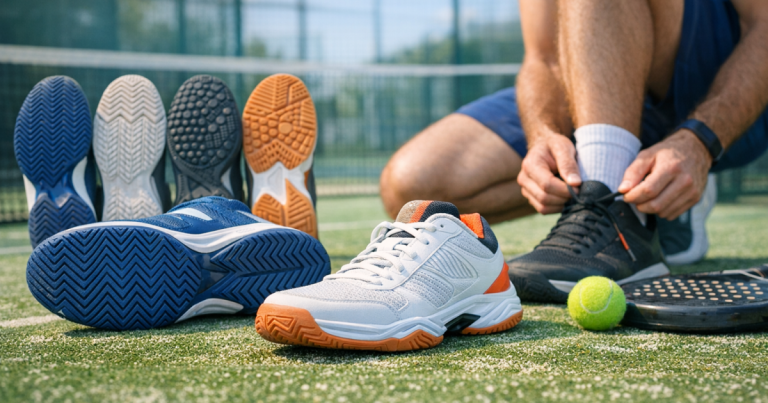
Spend on shoes before flashy extras
If you already have sports shoes, it is tempting to delay buying padel shoes. For a one-off taster session, that may be fine if your club allows them and the soles are clean. Once you start playing every week, footwear becomes one of the better places to spend money because padel involves short sprints, quick stops and sideways recovery steps.
Look for court-appropriate grip, a stable feel during lateral movement and a fit that does not slide when you brake. You do not need the most expensive pair on the wall, but you do need shoes that feel secure on the surface you play on. If you are unsure how strict your club is, read our guide to whether padel shoes are required for club sessions.
A recognisable starter example is the Asics Gel-Padel Pro 3, but do not buy any shoe on name alone. Check the fit, return policy, sole type and whether the shoe feels stable when you move sideways.
Spend enough on a forgiving racket, not a superstar racket
Your first racket should make rallies easier, not punish every mishit. Beginners normally benefit from a round or teardrop shape, a comfortable weight and a forgiving sweet spot. The mistake is assuming that a powerful racket used by advanced players will help you improve faster. It usually does the opposite: less control, more tension in the arm and more frustration when defending.
For many new players, a mid-priced beginner racket is a better investment than a discounted advanced racket. You want something you can swing comfortably for a full session, use at the net without feeling rushed, and control when the ball comes off the glass. Before buying, it is worth checking the common traps in our guide to padel racket buying mistakes.
There is nothing wrong with aspirational rackets, but models such as the Bullpadel Hack 02 2022 Padel Racket are better treated as examples to research carefully rather than automatic first buys. Check the shape, weight range, balance and comfort against your level before spending more.
Do not overlook balls and grips
Balls and grips are small costs, but they affect how enjoyable a session feels. A tube of decent padel balls is worth buying once you play regularly because dead balls make timing harder and rallies less realistic. A familiar option is Head Padel Pro, though any suitable padel ball from a reputable brand can do the job if it is fresh and appropriate for normal club play.
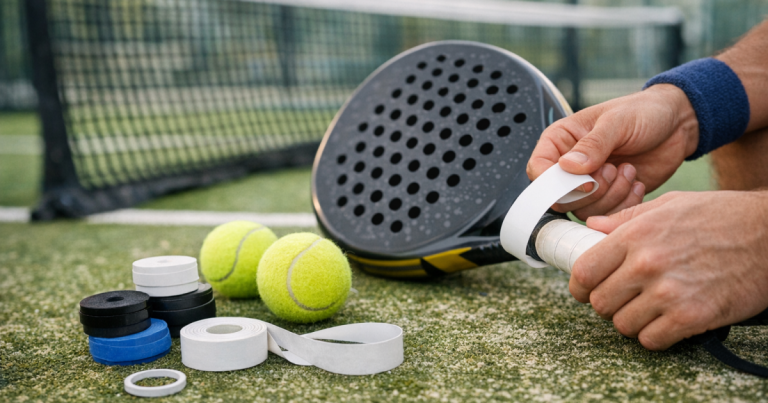
Overgrips are also excellent value. If your hand slips, the racket twists, or the handle feels too thin, a fresh overgrip can make the racket feel more secure without replacing anything expensive. Wilson Pro Overgrip is one well-known example, but the main thing is finding a thickness and feel you like.
Skip bulk buying at the start. Buy a small number of balls and grips, see how quickly you use them, then stock up only when you know your playing routine.
Where beginners often overspend
Some purchases feel exciting because they make you look more like a regular player, but they do not always improve your padel. These are the easiest areas to delay:
- Large racket bags: useful if you carry multiple rackets, shoes, clothing and accessories, but unnecessary for most first months.
- Premium clothing: breathable sports kit is enough. Padel-specific clothing can wait.
- Advanced rackets: power-focused rackets can be harder to control and less forgiving.
- Lots of accessories: dampeners, protectors, wristbands and spare everything can be added gradually.
- Multiple rackets: one suitable racket is plenty while you are learning your style.
That does not mean these items are bad. It means they become more useful once your habits are clearer. If you play twice a week, carry shoes separately and travel to matches, a better bag starts to make sense. If you play occasional social games, your normal sports holdall may be fine.
New, used or borrowed?
Borrowing or hiring is sensible for the first few sessions. It helps you learn whether you enjoy the game before buying. The downside is inconsistency: one week you may use a light, forgiving racket, and the next week something much harder to control. Once you are booking regular sessions, owning your own racket helps you build feel and confidence.
Used gear can be good value, especially for rackets and bags, but condition matters. Check for cracks, loose rattles, heavy wear around the frame and signs of poor storage. Shoes are less attractive used because fit, cushioning and hygiene are personal. Balls and grips are almost always better bought new.
If you are weighing up second-hand kit, our breakdown of new versus used padel gear for beginners explains where it is worth saving and where false economy can creep in.
A simple spending plan for your first three months
First one or two sessions
Keep spending low. Use hire or borrowed rackets if available, wear clean sports shoes accepted by the venue, and focus on learning the scoring, walls and basic movement. Do not buy a racket before you have hit enough balls to know what feels comfortable.
Weeks three to six
If you are enjoying padel, buy your own beginner-friendly racket and consider proper court shoes. Add a tube of balls if you practise outside organised sessions. A pack of overgrips is a cheap comfort upgrade, especially if the handle feels slippery.
After two or three months
By now, your habits are clearer. If you play often, travel to different clubs or take lessons, a better bag and spare grips make more sense. If your racket feels too heavy, too hard or difficult to control, you will also have a clearer idea of what to change next.
Do lessons change what you should spend?
They can. A few group lessons may save money by stopping you from buying the wrong kit too early. Coaches also see your swing, movement and contact point, so they can often tell whether your racket is helping or holding you back. That does not mean you need a coach to choose equipment, but it can make your next purchase more informed.
If your budget is tight, do not spend everything on gear and leave nothing for court time. Padel improvement comes from playing, practising and learning patterns, not just upgrading equipment. A modest racket plus regular sessions is usually better than a premium racket that leaves you playing less often.
FAQ
How much should a beginner spend on padel gear?
For regular play, many beginners can plan around £100 to £200 for a racket, shoes, balls and basic accessories. Spend less at first if you can hire a racket while you test the sport.
Should I buy a racket before my first padel session?
No. Hire or borrow for your first session if possible. After a few games, you will have a better sense of weight, shape and comfort.
Are expensive padel rackets worth it for beginners?
Usually not. A forgiving beginner racket is normally more useful than a high-powered advanced racket. Control and comfort matter more than status.
Can I use running shoes for padel?
For a taster session, your club may allow clean sports shoes. For regular play, court shoes are a safer and more stable choice for side-to-side movement.
What should I skip if my budget is limited?
Skip premium clothing, large bags, multiple rackets and extra accessories. Put your money into a suitable racket, stable shoes, fresh balls and court time.
Main lessons
Beginner padel spending should be steady, not rushed. Put your first serious money into comfort, control and consistency: a forgiving racket, shoes that suit club play, and small essentials such as balls and grips. Delay anything that mainly looks good or solves a problem you do not yet have.
The smartest budget is the one that keeps you playing. If a purchase helps you move better, enjoy rallies more or practise regularly, it is probably worth considering. If it only makes your kit look more advanced, it can wait.