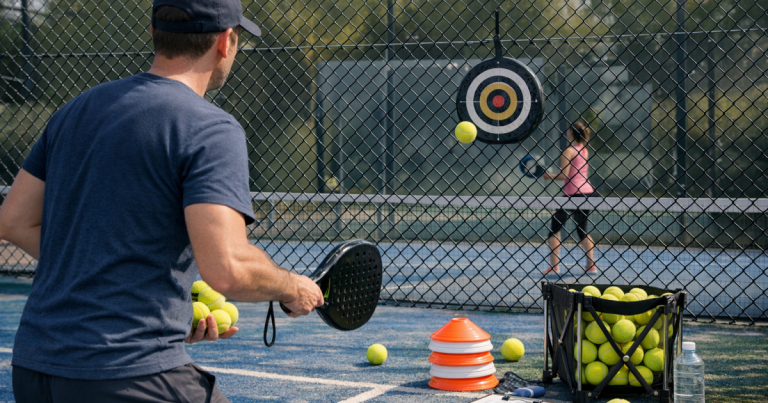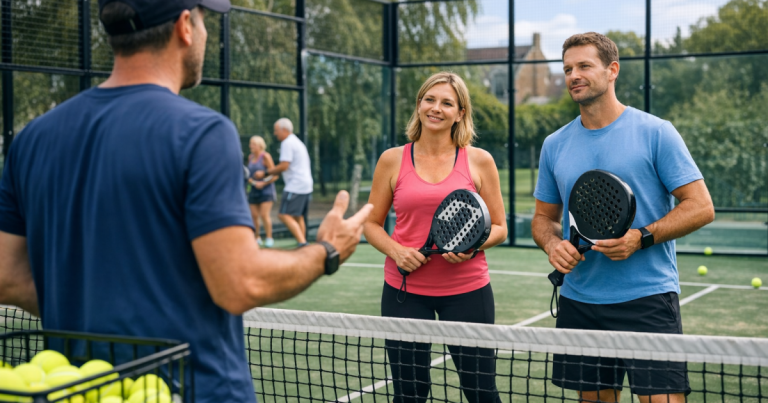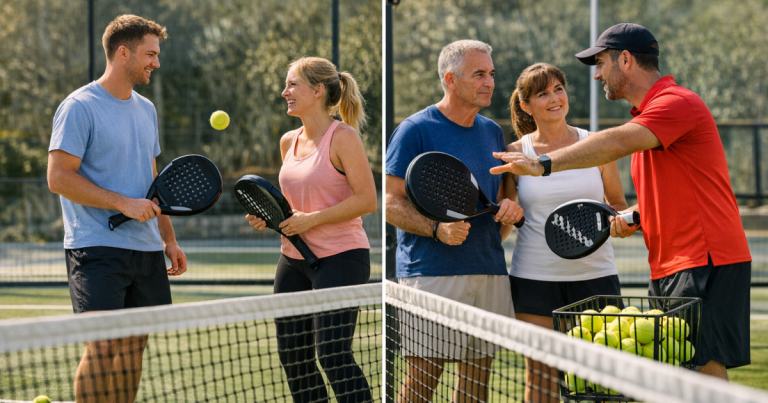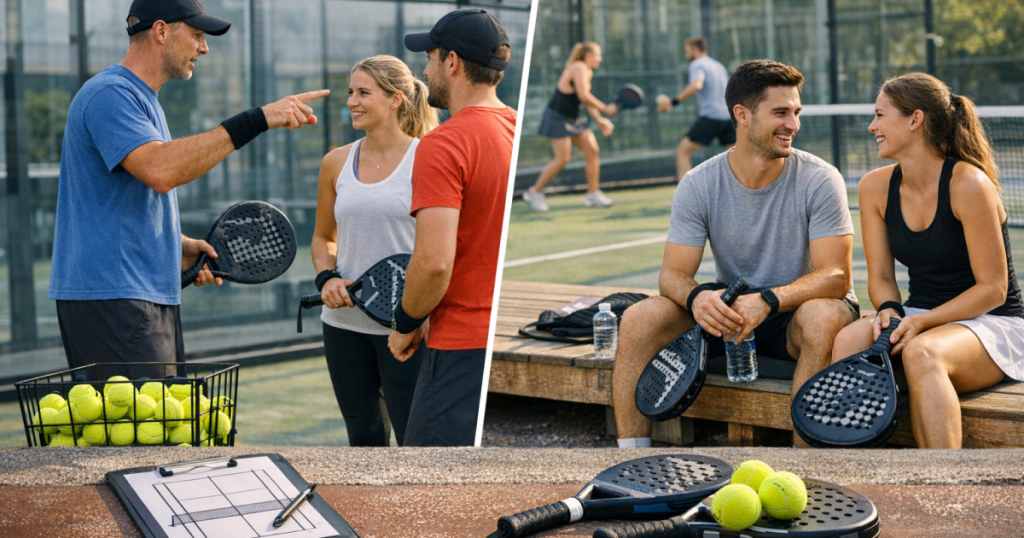
Padel coaching can be brilliant when it gives you structure, confidence and a reason to keep turning up. This Padel Social Club Coaching review looks at the service from a beginner and early club-player point of view: not whether it can turn you into a tournament player overnight, but whether it makes those first months on court clearer, friendlier and more useful.
What to know first
The quick verdict: Padel Social Club Coaching is most appealing if you want coaching that feels approachable rather than intimidating. The strongest fit is likely to be players who learn better in a sociable group setting, want regular court time, and need help turning basic shots into actual match habits. The main caution is that you should verify the details of your local session before booking, because coaching format, group size, venue, coach background, equipment arrangements and level matching can vary.
That matters for beginners. A great first coaching experience should not just demonstrate shots; it should help you understand where to stand, when to play safely through the middle, how to use the glass without panic, and why the serve sets up the whole point. If a session covers those basics in a calm, repeatable way, it can be a strong step towards regular club play.
Product overview
Padel Social Club Coaching is best understood as a coaching-led padel experience with a social-club feel. Rather than framing improvement as a private, technical project, the concept is built around learning with other players, getting court time, and becoming more comfortable in a real game environment.
For newer players, that social element is not a small thing. Many people delay lessons because they feel they are not “good enough” yet, then get stuck playing the same nervous shots at club nights. A more relaxed coaching environment can lower that barrier. You still need useful instruction, but you also need enough repetition, encouragement and game context for the lesson to stick.
The service is not something to book blindly, though. Before committing, check what the session is actually designed for: complete beginners, improvers, mixed-ability club players, or a specific tactical theme. Also ask whether rackets and balls are supplied, whether court fees are included, how many players share a court, and whether the coach is qualified or venue-approved. Those details will affect value more than branding alone.
Clear next step: before booking, ask the organiser which level the session is aimed at and how many players will be on court with one coach.
Key specs
- Reviewed service: Padel Social Club Coaching.
- Category: coaching-led padel sessions for beginners, improvers and club-level players, depending on the local offer.
- Main format to verify: group coaching, one-to-one coaching, themed sessions, social drills or matchplay coaching.
- Most important booking checks: venue, coach credentials, player level, group size, session length, cancellation policy and whether equipment is included.
- Best use case: building confidence, learning court positioning and making the move from casual hitting to structured club play.
- Potential limitation: less individual feedback than a dedicated private lesson if the group is large or mixed in standard.
Pros and cons
Pros
- Beginner-friendly tone: A social coaching setup can feel less daunting than a performance-focused academy environment.
- Good for confidence: Learning alongside others helps normalise mistakes, which is useful when you are still getting used to the glass, corners and net positioning.
- More realistic than solo drills: If sessions include points or conditioned games, players can practise decisions rather than only technique.
- Useful bridge into club play: The format can help you meet players at a similar level and understand how organised sessions usually work.
- Motivating structure: A regular coaching slot can stop practice from becoming random hitting with no clear aim.
Cons
- Local delivery matters: The quality of the experience will depend heavily on the coach, venue and group setup.
- Group size can dilute feedback: If too many players share one court, you may get less personal correction.
- Mixed levels can be awkward: Complete beginners and stronger club players may need different pacing and drills.
- Not always enough on its own: Players who want fast technical changes may still need one-to-one coaching.
- You need to check the practical details: Equipment, balls, court fees and booking terms should be confirmed before you pay.
Performance in real use
The biggest strength of Padel Social Club Coaching is likely to be the way it combines learning with the confidence-building side of padel. For newer players, the problem is rarely just one bad shot. It is usually a mix of uncertain positioning, rushed decisions, poor communication and not knowing which errors matter. A well-run group session can make those patterns easier to spot.
Teaching clarity is the first thing to judge. Good beginner coaching should use simple cues and limited objectives. For example, a useful session might focus on keeping the first volley deep, recovering towards the middle with your partner, or serving legally and then moving into a sensible first position. If a coach tries to fix forehand technique, bandeja shape, glass timing and tactics all at once, beginners can leave with more confusion than confidence.
Level matching is the second big factor. Social coaching works best when the group is close enough in standard that everyone can rally, rotate and practise under similar pressure. A slightly mixed group is fine, and can even be helpful, but a huge gap in ability usually means someone is either bored or overwhelmed. When booking, ask whether the organiser separates complete beginners from improvers.
Feedback is another area where expectations should be realistic. In a group, you probably will not get the same detailed technical attention as a private lesson. What you should get is regular, usable correction: where to stand, what target to aim for, how to recover after a shot, and which mistake to prioritise next. If you come away with one or two clear things to practise, the session has done its job.
The social side can be a genuine performance benefit. Padel is a doubles game, and new players often struggle because they practise shots without practising partnership. Coaching that includes communication, court coverage and point patterns is more useful than drills that only reward hitting hard. If the session helps you feel calmer with a partner, that will show up quickly at club nights.
For players trying to build momentum outside lessons, it pairs well with a simple practice routine. If you need structure between coached sessions, use this guide to build your first month of padel practice so the same skills keep getting repeated rather than forgotten.
Who it’s best for / who should skip it
Padel Social Club Coaching is best for newer players who want instruction without feeling like they have stepped into an elite training environment. It should also suit early club players who can rally but feel unsure about positioning, shot choice and match rhythm. If you enjoy learning with others and want a route into regular games, the social coaching format makes sense.
It is also a good fit if you are nervous about your first few organised sessions. A relaxed coaching group can give you a safer place to ask basic questions: where to stand when your partner serves, how high a serve can bounce, whether you should come to the net, and when to let the back glass help you.
You may want to skip it, or at least supplement it, if you need very individual technical work. For example, if your grip, contact point or movement pattern needs close correction, a private lesson with a qualified coach may be more efficient. Stronger players preparing for league matches may also need more targeted tactical coaching than a broad social session can provide.
Another reason to pause is uncertainty about the session level. If the organiser cannot clearly explain who the coaching is for, how players are grouped, or what the session will cover, wait until you have that information. Good coaching should make the next step feel clearer before you even arrive.
Alternatives
If you like the idea of structured learning but want more flexibility, online coaching can work well alongside court time. The Padel School is a relevant alternative for beginners who want explanations they can revisit before and after playing. It will not replace live feedback, but it can help you understand tactics and technique at your own pace.
The other alternative is a local private coach at your regular club. This is usually the better route if you want focused correction on one or two technical issues, or if you feel stuck despite playing often. Private coaching is less social, but the feedback should be more personal. Many beginners get the best results from mixing both approaches: occasional individual lessons for technique, plus social coaching or club sessions for confidence and match habits.
Questions people ask
Is Padel Social Club Coaching suitable for total beginners?
It can be, provided the specific session is labelled for beginners or the organiser confirms it is suitable for first-time players. Do not assume every group session is beginner-level.
What should I ask before booking?
Ask about the coach, venue, session level, group size, whether equipment is provided, and whether the session includes drills, matchplay or both.
Is group coaching enough to improve at padel?
Group coaching can improve positioning, confidence and basic decision-making. For detailed technical fixes, one-to-one coaching is usually more direct.
Should I bring my own racket?
If you already have one, bring it. If not, ask whether rackets are available to borrow, because equipment policies vary by venue and session.
How often should a beginner take coaching?
One coached session every week or two can work well if you also play or practise between sessions. Consistency matters more than cramming several lessons together.
Verdict + score
Padel Social Club Coaching review verdict: this looks like a strong option for beginners and early club players who want coaching to feel social, structured and less intimidating. Its value depends heavily on local delivery, so the key is to check coach quality, group size and level matching before booking. If those details are right, it can be a very useful bridge between casual hitting and confident club play. Score: 8.1/10.
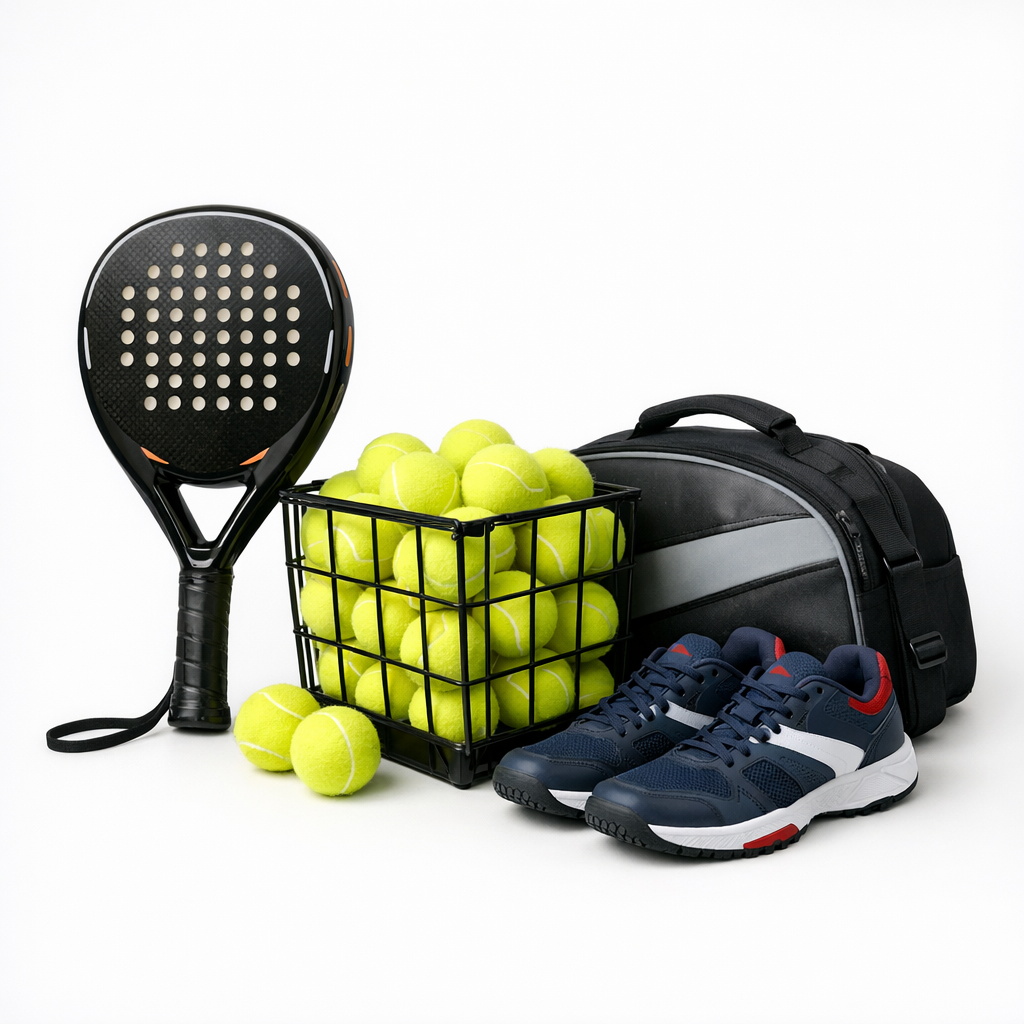
Padel Social Club Coaching
If those details are right, it can be a very useful bridge between casual hitting and confident club play.
You might also like: Bullpadel Hack 02 2022 Padel Racket vs Wilson Blade Padel Racket.