A loose grip can turn an easy volley into a nervous poke, and it usually shows up when the point gets quick. The good news is that overgrip slipping is usually caused by a small setup issue, not by anything dramatic with your racket.
Most fixes take a few minutes: rewrap with better overlap, secure the finishing tape properly, keep the handle dry, and avoid gripping so tightly that the wrap twists under your hand.
The short version
- Remove and rewrap the overgrip if it has moved, stretched, or become shiny.
- Start from the butt cap firmly, then wrap upwards with even tension and consistent overlap.
- Use finishing tape at the top, not halfway down the handle, and press it down fully.
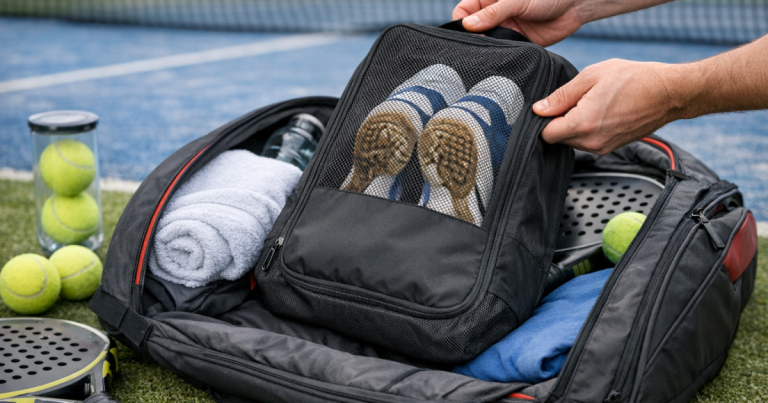
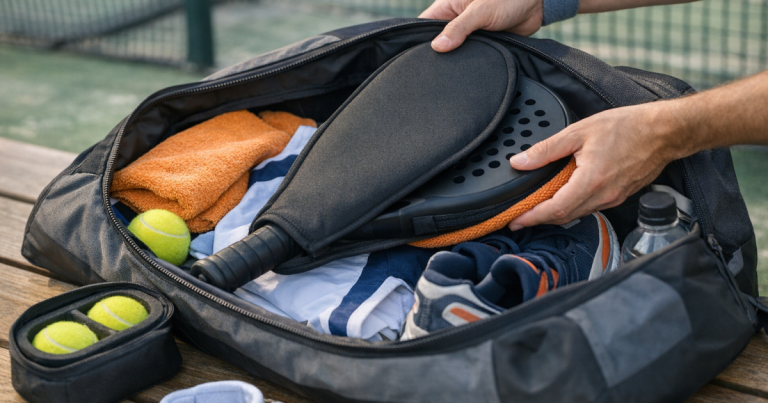
- Keep a small towel and spare overgrip in your padel bag, especially for longer club sessions.
- If the handle still rotates in your palm, check your grip pressure and hand position as well as the wrap itself.
Why the wrap starts moving
An overgrip is a thin layer wrapped over the original grip. It gives you a fresher, tackier surface and helps manage sweat, but it is not glued along the whole handle. It stays in place because of tension, overlap, friction and the finishing tape.
When one of those things is off, the wrap can creep during serves, volleys and defensive blocks. Beginners often notice it most when they are reacting late, squeezing the racket hard, or changing grip quickly near the net.
The usual causes are simple: the overgrip was wrapped too loosely, the overlap is uneven, the finishing tape has lifted, the surface is damp, or the grip has simply worn out. A wrap can also shift if you started too high above the butt cap, because the first turn has nothing solid to lock against.
Step-by-step: fix it before your next match
1. Take the old wrap off properly
Do not keep adding layers over a wrap that is already moving. Peel off the finishing tape, unwind the old overgrip, and check whether the base grip underneath is flat. If the base grip is badly torn, bunched up or lifting at the edges, an overgrip alone may not solve the problem for long.
Wipe the handle with a dry cloth before fitting the new wrap. Avoid soaking it; you are only removing loose sweat, dust and residue so the new layer sits evenly.
2. Start low and lock the first turn
Begin at the butt cap end of the handle. The first angled section of the overgrip should sit low enough that it catches against the wider end of the handle. Pull it snug, then make the first full turn firmly before moving upwards.
Many players blame the product when the real issue is the first few centimetres. If that opening turn is loose, every later turn has less support. For a simple accessory upgrade discussion, the comparison of balls versus a fresh overgrip for beginners is a useful next read.
3. Keep the tension even, not extreme
Pull the overgrip enough that it lies smooth, but not so hard that it stretches into a thin, slippery strip. Over-stretching can reduce comfort and make the wrap feel less cushioned. Under-stretching leaves soft ridges that can roll under your palm.
A steady pull is better than yanking hard every few turns. If the wrap has a tapered end, use that to create a neat start rather than folding a bulky corner under your hand.
4. Use consistent overlap
As you wrap upwards, each turn should cover part of the previous turn. Aim for a tidy, repeated overlap rather than wide gaps in one place and thick ridges in another. You do not need to measure it perfectly, but the spacing should look consistent from bottom to top.
If you feel a ridge under your fingers when you shadow a forehand or backhand, unwind that section and redo it. Small bumps become more annoying once your hand gets sweaty.
5. Finish at the right point
Stop where your top hand position naturally ends. For most adult rackets, that means finishing near the top of the handle, not continuing up towards the throat of the racket. Cut or fold the final edge neatly, then secure it with finishing tape.
Press the tape all the way round the handle. If the end of the tape lifts before you start playing, it will almost certainly peel during a match. If the supplied tape feels weak, a roll of racket finishing tape in your bag can save the session.
6. Test it before you walk on court
Hold the racket as you would for a forehand, backhand, volley and serve. Gently rotate the handle in your palm. The wrap should feel stable, with no loose flap at the bottom and no raised edge at the top.
Then do a few short shadow swings. You are not testing power; you are checking whether the handle moves when your hand changes pressure. If it shifts now, fix it before the warm-up.
7. Match the grip feel to your hands
Some players prefer a tacky feel, while others prefer a drier, more absorbent feel. Popular examples such as Wilson Pro Overgrip and Head Xtreme Soft Overgrip are worth handling in person if possible, because the right choice depends on your hand size, sweat level and preferred feel.
Do not assume thicker is automatically better. Adding too much bulk can make the handle harder to control, especially for quick grip changes at the net.
Mid-match rescue if the grip starts moving
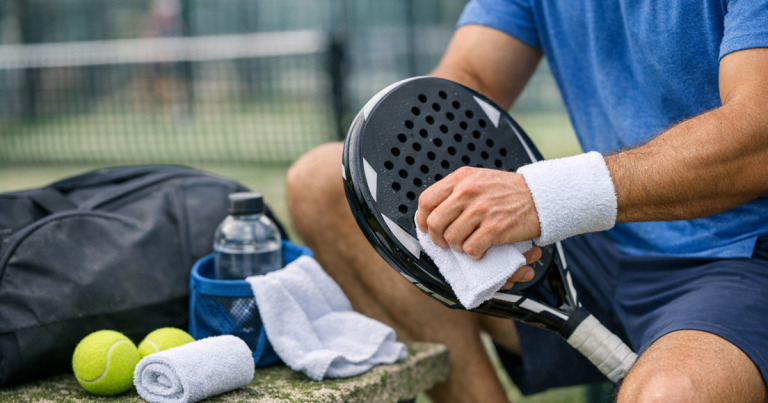
If the wrap shifts during a match, keep the fix simple. Between games, dry your hand and the handle with a towel, press the top finishing tape back down, and smooth the wrap towards the butt cap. If the lower turn has come loose, rewrap it rather than trying to play through it.
A spare overgrip is one of the easiest accessories to keep in a padel bag. It takes little space, weighs very little, and can stop a frustrating equipment issue from spoiling a booked court slot.
If the problem appears only when rallies speed up, the wrap may not be the only cause. Late preparation and rushed contact can make you squeeze the handle harder than needed. Simple partner work, such as these volley control drills, can help you stay softer through the hand while still keeping the racket face stable.
Small habits that prevent it happening again
- Change tired wraps early: if the surface looks shiny, feels slick, or has lost its texture, replace it before match night.
- Dry your hands between games: a small sports towel is more useful than constantly squeezing harder.
- Store spare wraps sealed: keeping them loose in a damp compartment can affect how fresh they feel when you need them.
- Avoid leaving the racket in a wet bag: moisture can make the handle feel unpleasant and reduce grip confidence next time.
- Check the butt cap area: if the bottom edge is loose, the whole wrap is more likely to creep upwards.
- Keep scissors in your kit if club rules allow: a clean final cut makes the top edge easier to tape down neatly.
It is also worth keeping the rest of your racket tidy. If you are already doing a quick maintenance check, the same patient approach applies when you fit a racket protector without bubbles.
Common wrapping mistakes to avoid
The biggest mistake is rushing the job five minutes before a match. A badly fitted new wrap is not much better than an old one. Give yourself enough time to remove the old layer, line up the start, and test the feel.
Another common mistake is wrapping in the wrong direction for your dominant hand. Many right-handed players prefer the wrap to follow the direction their fingers naturally close around the handle, while left-handed players may prefer the reverse. There is no single magic direction for everyone, but the wrap should not feel as if your hand is constantly peeling against the edge.
Finally, avoid turning grip problems into a strength test. If you need to clamp the racket as hard as possible to stop it moving, something is off. A secure handle should let you hold the racket firmly but comfortably, with enough relaxation to react at the net.
Main points
- Most slipping starts with loose wrapping, poor overlap, lifted tape, sweat, or an overgrip that is past its best.
- Start from the butt cap, wrap with steady tension, and secure the top edge neatly.
- Carry at least one spare overgrip and a towel in your padel bag for club sessions.
- If the handle still feels unstable, check your grip pressure and timing, not just the accessory.
FAQ
How often should I change a padel overgrip?
Change it when it feels slick, looks shiny, smells stale, or starts moving. Regular club players may replace overgrips far more often than occasional players, so judge it by feel rather than a fixed timetable.
Can I put a new overgrip over an old overgrip?
You can, but it is usually better to remove the old one if it is slipping. Layering over a loose or damp wrap can make the handle bulky without fixing the movement underneath.
Why does my grip only slip when I serve?
Serving can expose a loose first turn because the racket accelerates quickly and your hand pressure changes. If you are still working on the serve motion, this guide to serving legally in padel without faulting can help you build a calmer routine.
Does overgrip slipping mean my racket handle is the wrong size?
Not always. First check the wrap quality, tension and finishing tape. If the handle still feels too small or rotates in your palm after a fresh wrap, you may need to reassess grip build-up and comfort.
Should I use grip powder or rosin for padel?
Most beginners should start with a fresh overgrip and a towel. If you use any drying product, check your club’s surface and cleanliness expectations, and avoid anything that leaves mess on the court or glass.