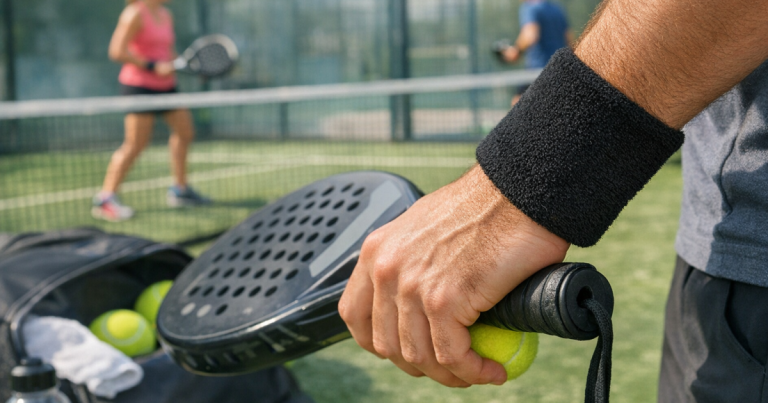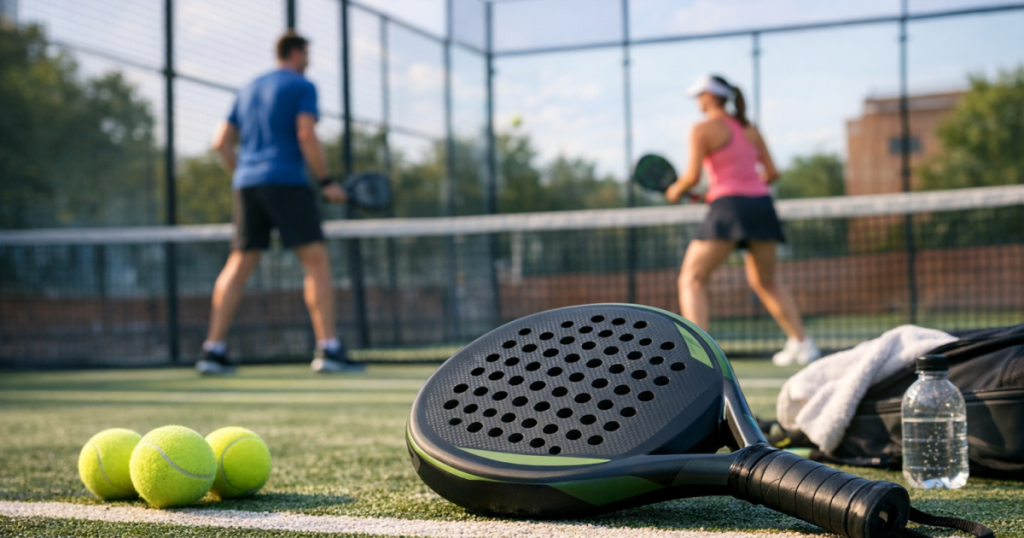
When your hire racket starts to feel vague but a full-on power racket still feels like too much, this Wilson Blade Padel Racket review looks at that interesting middle ground. It is the kind of racket many improving club players notice because the Blade name carries a controlled-attacking feel rather than a beginner-only image.
Quick verdict: the Wilson Blade Padel Racket is best treated as a step-up option, not a magic shortcut. It suits players who are starting to shape points, take the ball earlier and want a firmer response than many entry-level rackets provide. Absolute beginners who still struggle with timing, court positioning or off-centre contact may be happier starting with something softer and more forgiving.
If you are already playing regular club sessions and want one racket to grow with for a while, shortlist it. If you are still learning basic rebounds, lobs and defensive blocks, try before buying and compare it against more control-focused beginner rackets.
Product overview
The Wilson Blade Padel Racket sits in Wilson’s padel line as a more performance-minded choice than a very soft starter racket. The appeal is easy to understand: it looks serious, feels more purposeful than many hire rackets, and gives improving players a platform for a cleaner, more confident swing.
For a beginner site, though, the important question is not whether the racket looks advanced. It is whether it helps the right player make better decisions on court. A racket with a more assertive feel can reward good preparation, compact technique and confident volleys. The same qualities can also punish late swings, loose wristy shots and rushed defensive play.
That makes the Wilson Blade Padel Racket a sensible consideration for early-stage players who are moving beyond their first few sessions. If you are still choosing your first racket, it is worth reading our guide on how to choose your first padel racket before deciding whether this is the right level of commitment.
In practical UK club use, it feels most relevant for players who play once or twice a week, understand the basic rules, and now want better consistency under pressure. It is not the easiest possible option, but it is not a wild, specialist power racket either.
Key specs
- Brand: Wilson.
- Product type: padel racket.
- Range: Blade padel family.
- Best fit: improving beginners, early intermediates and club players who want a controlled-attacking feel.
- Playing style: all-court play with an emphasis on cleaner contact, volleys and controlled power.
- Weight and balance: check the exact retailer or manufacturer listing for the version you are buying, as figures can vary by release and market.
- Shape and construction details: verify the current product listing before ordering, particularly if you are comparing several Wilson Blade padel versions.
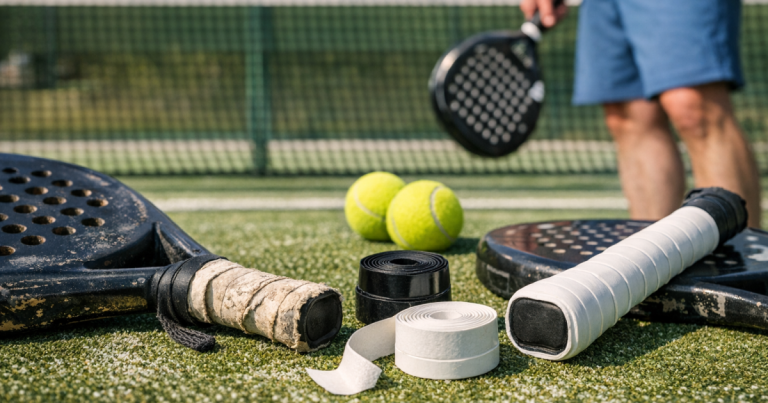
- Grip and wrist strap: inspect comfort, grip thickness and strap feel in person where possible, because these small details affect confidence during longer sessions.
The key point with the specification sheet is simple: do not buy on the Blade name alone. Racket listings can differ by year, region and exact model variant, so confirm the precise weight, balance and face description before paying. For beginners, those details matter more than small marketing phrases.
Pros and cons
Pros
- Gives improving players a more connected, purposeful feel than many basic hire rackets.
- Works well for players who are learning to attack without wanting a very unforgiving power racket.
- Good option for club players who want one racket for volleys, lobs, blocks and controlled smashes.
- Encourages cleaner preparation because the racket rewards more deliberate contact.
- Wilson is a recognisable racket-sports brand, which helps when comparing stock across UK padel retailers.
Cons
- Not the safest choice for a first-ever padel session or for players who still miss the sweet spot often.
- May feel less forgiving than soft, rounder control rackets when defending from the back glass.
- The exact feel can depend on the specific Blade version, so checking the listing is important.
- Players chasing effortless power may still want something more head-heavy and aggressive.
- If you grip too tightly or swing late, the firmer response can make mistakes feel more obvious.
Performance in real use
The Wilson Blade Padel Racket makes the most sense when you start thinking about padel as a point-building game rather than a hitting contest. It is not there simply to blast winners. Its value is in helping a developing player feel more precise when the rally speeds up.
Control from the back of the court
From the back glass, a racket like this rewards calm preparation. If you let the ball come to you, set your feet and keep the swing compact, it gives enough response to send the ball deep without needing to force the shot. That is useful for beginners who are learning that padel defence is about placement, height and patience.
It is less forgiving if you stab at the ball late. A softer, more beginner-focused racket can sometimes cover up a messy contact. The Wilson Blade Padel Racket feels more honest. It tells you when your timing is off, which can be helpful for improvement but less comforting on a bad day.
Volleys and net play
At the net, the Blade personality starts to make more sense. The racket feels suited to players who want to punch volleys into space rather than simply block the ball back. It encourages a shorter, firmer volley action, which is exactly what many newer players need to learn as they move into regular club games.
The main caution is that padel volleys are not tennis volleys. If you swing too big, the extra response can send the ball long or into the glass. The racket gives you enough authority; your job is to keep the action tidy.
Power and overheads
This is not the racket to buy if your only goal is the most explosive smash possible. It can produce good pace when your technique is organised, but it is better described as controlled power than free power. For many improving players, that is a positive. It means you can develop overheads without being pushed into wild, low-percentage hitting.
On bandejas, viboras and high defensive balls, the racket suits players who are beginning to understand spin, height and placement. If those shots are still new to you, expect a learning period. The racket will not do the work for you, but it gives you a stable platform once the movement pattern is there.
Forgiveness and sweet spot feel
The biggest beginner question is forgiveness. The Wilson Blade Padel Racket is not punishing in the way a very advanced power racket can be, but it is also not the softest, easiest padel racket to use. Off-centre hits can feel less helpful than on a comfort-first beginner model.
That makes it a good test of where your game currently sits. If you are already making consistent contact and mostly lose points through poor shot choice, this racket can help you become more deliberate. If you still mishit several routine balls per game, a more forgiving control racket will probably help you enjoy matches sooner.
Comfort over a full session
Comfort depends heavily on the exact model version, grip size, overgrip setup and your own technique. In general, players moving up from very soft rackets should expect a firmer, more direct feel. That is not automatically uncomfortable, but it does mean you should pay attention during a demo or first hit.
For typical UK club sessions of around 60 to 90 minutes, the key is whether your hand stays relaxed. If you find yourself squeezing the grip to control the face, the racket may be slightly too demanding for now. A fresh overgrip and correct grip thickness can make a noticeable difference, but they will not turn the racket into a beginner comfort model.
Durability and finish
As with any padel racket, durability is shaped by court habits as much as product quality. Avoid scraping the frame on the glass, digging at low balls near the fence or using the racket to pick balls up from rough surfaces. Those small habits matter, especially once you move from club hire gear to your own racket.
Before buying, check the edge protection, surface finish and warranty terms from the retailer. Also inspect the racket on arrival for transit damage, rattles or visible defects. Those checks are basic, but they are worth doing before your first match.
Who it’s best for / who should skip it
The Wilson Blade Padel Racket is best for improving beginners and early intermediates who are ready to take more responsibility for their technique. If you are playing regularly, can rally with control, and want to attack more confidently at the net, it is a strong candidate.
It also suits players coming from tennis who already understand racket preparation, compact volleys and using the body rather than the wrist. That said, tennis players should still respect the differences in padel. The court, glass and shorter swing patterns change what a “good” shot looks like.
You should skip it, or at least delay buying it, if you are still in your first few sessions, often lose track of court positioning, or want the most forgiving option possible. A racket that feels exciting in the hand can quickly become frustrating if it asks more of your timing than your current game can provide.
It may also be the wrong fit if you only play casually every few weeks. In that case, comfort and easy depth are usually more valuable than a more performance-led response.
Alternatives
If the Wilson Blade Padel Racket feels slightly too ambitious, the best alternative is not necessarily another famous name. It may be a lighter-feeling, rounder, control-first racket that gives you a bigger margin for error while you build technique. That route is usually wiser for players still learning rebounds and defensive resets.
If you are leaning the other way and want a more explosive, demanding power option, our Bullpadel Hack 02 2022 review shows what happens when a racket prioritises bigger attacking potential with a smaller margin for error.
The practical buying move is to compare how each racket behaves on three shots: a defensive lob from the back glass, a controlled volley at the net and an overhead played at 70% effort. Those shots reveal more than a few big smashes in a warm-up.
Verdict + score
The Wilson Blade Padel Racket is a convincing step-up racket for improving club players who want controlled attack without jumping straight into an extreme power frame. It is not the easiest choice for a first racket, and it will expose rushed technique, but that honesty is part of its appeal. For players who are ready to train cleaner contact, tidier volleys and more purposeful point construction, it has real long-term value. Shortlist it if you are already playing regularly, demo it if you can, and avoid it if forgiveness is still your top priority. Rating: 8.2/10.
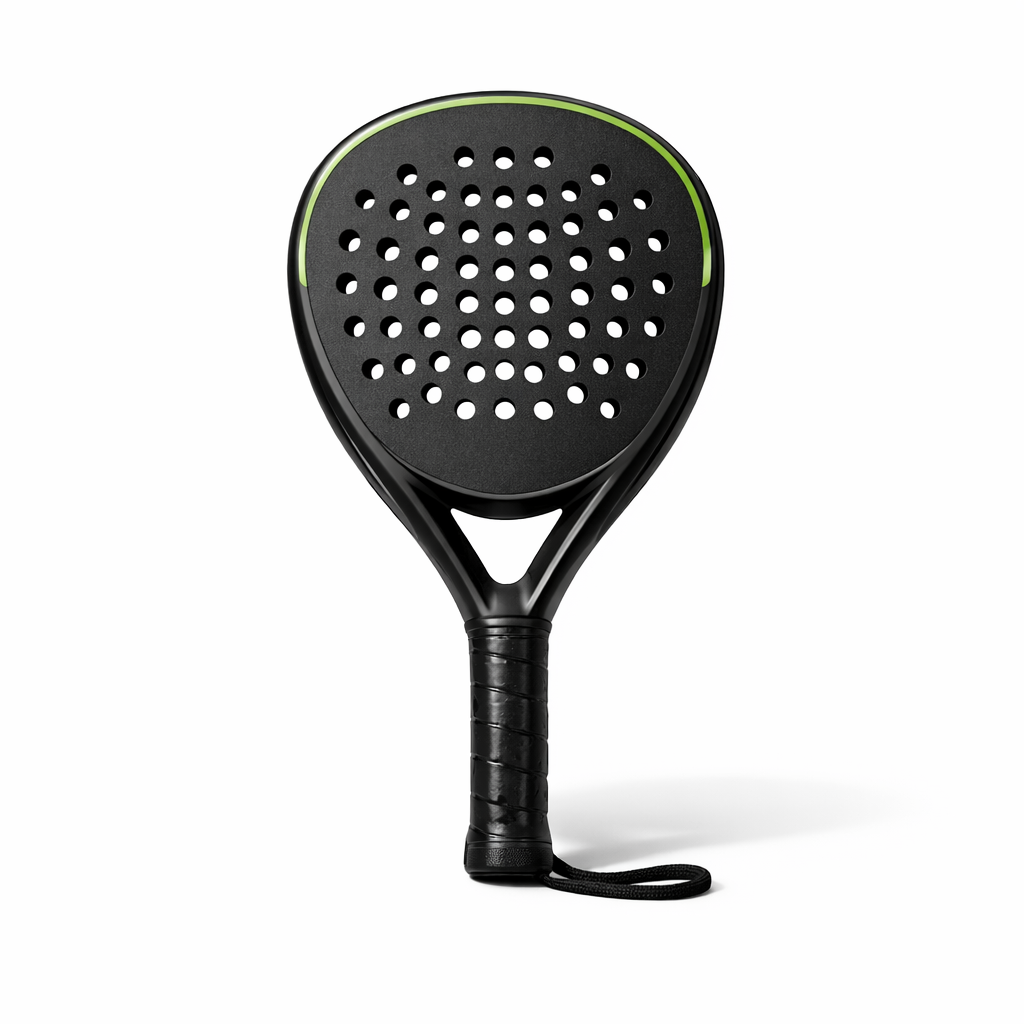
Wilson Blade Padel Racket
Shortlist it if you are already playing regularly, demo it if you can, and avoid it if forgiveness is still your top priority.
You might also like: Should Beginners Choose a Control or Power Padel Racket?.