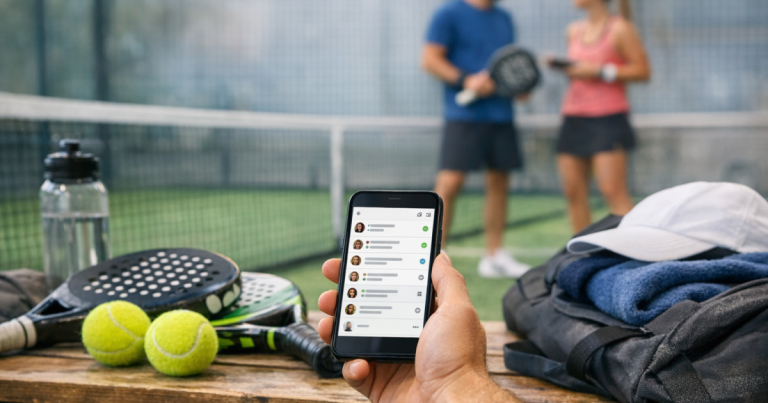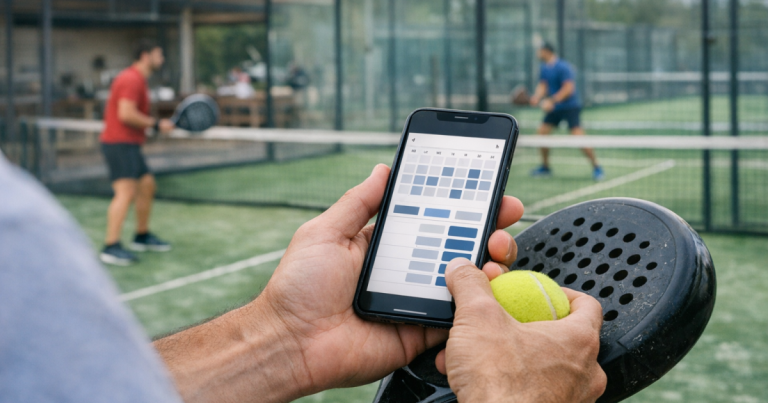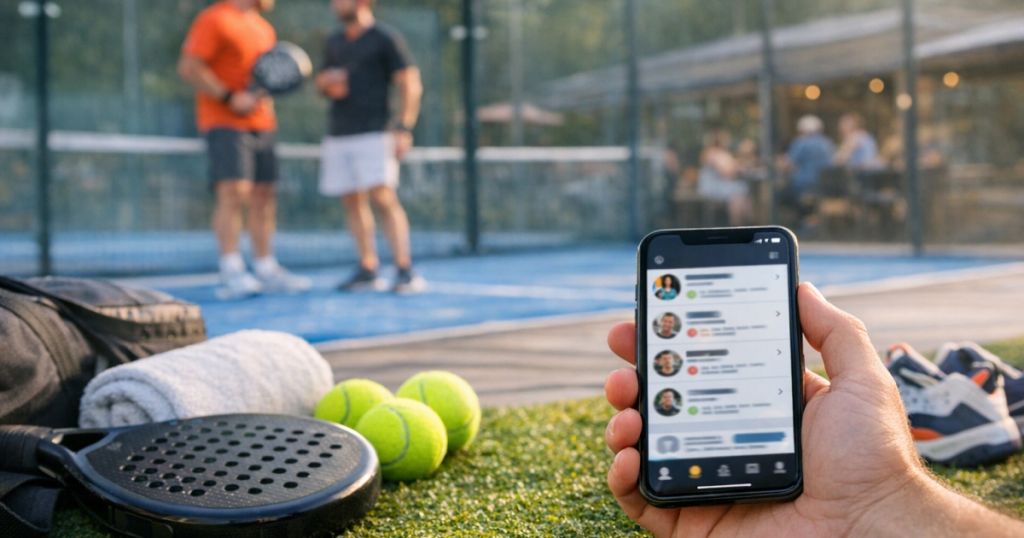
Finding a reliable fourth for padel can be harder than learning the glass. This RacketPal App review looks at whether the app can make that awkward step easier: meeting players at a similar level, arranging games without endless group-chat noise, and feeling more confident turning up to club sessions where you do not know everyone yet.
Quick verdict: RacketPal App is most useful if you already have access to a few local clubs and want a wider pool of players beyond your usual WhatsApp group. It is less convincing if your area has a small padel scene, because partner-finding tools are only as strong as the people actively using them nearby.
Product overview
RacketPal App sits in the practical gap between “I want to play more padel” and “I actually know enough people to make regular games happen”. For beginners and early club players, that gap is real. You might have one friend who plays, a coach who can point you towards a session, and a club group chat that moves too quickly to follow. A dedicated partner-finding app can make the process feel less random.
The main attraction is not fancy training content or coaching theory. It is the promise of connection: finding people who are interested in similar games, at compatible times, and ideally at a level where rallies are fun rather than frustrating. For a UK beginner, that can mean filling a weekday evening game, joining a mixed social match, or building enough contacts to stop relying on the same three people every week.
The key caution is local density. Before treating RacketPal App as your main route into club play, check how active it is around the clubs you can realistically reach. Search your nearest padel venues, look at how recent player activity appears, and see whether people describe their level clearly enough to make a sensible invitation. If the local pool looks lively, it can be a useful shortcut. If it looks quiet, it may work better alongside club socials, coaching groups and box leagues.
One simple next step is to use it before your next social session: set up or respond to one realistic game request, then arrive prepared. If you are still new to match routines, a short safe warm-up before your first padel game helps you look organised and protects the flow of the session.
Key specs
- Reviewed product: RacketPal App.
- Product type: Mobile app for finding racket-sport playing partners, reviewed here for padel use.
- Best use case: Finding local padel partners, arranging club games and widening your playing circle.
- Skill level fit: Most relevant to beginners, improvers and social club players who want more regular matches.
- Local usefulness: Depends heavily on active users near your preferred clubs and travel area.
- Cost and access: Check the current app store listing for availability, pricing and any account requirements before relying on it.
- Important checks: Look for recent activity, clear player levels, location accuracy, privacy settings and how easy it is to organise a game.
Pros and cons
Pros
- Solves a real beginner problem: It gives newer players a route beyond waiting to be added to a club chat.
- Good for filling games: If your local player base is active, it can help you find a fourth or join sessions that need one more player.
- Useful confidence bridge: Messaging through an app can feel less intimidating than walking into a club and asking strangers to play.
- Can support steady progress: More regular games usually mean more touches, better positioning and a quicker feel for match rhythm.
- Helps separate social and competitive aims: Clear listings can make it easier to find relaxed rallies, beginner games or more serious matches.
Cons
- Depends on local activity: In quieter padel areas, there may not be enough nearby users to make it reliable.
- Level matching still needs judgement: Beginner, intermediate and advanced labels can mean different things from one club to another.
- It will not replace etiquette: You still need to confirm times, turn up promptly and communicate clearly if plans change.
- Not a coaching substitute: It helps you find people to play with, but it will not fix technique, movement or tactical habits by itself.
- Privacy and notification settings matter: As with any social app, check what information is visible and how contact requests are handled.
Performance in real use
The first thing to test is whether RacketPal App reflects your real padel geography. A player in a dense club area has a very different experience from someone whose nearest court is a longer drive away. For UK beginners, the sweet spot is usually a realistic travel radius: the clubs you would actually visit after work, on a weekend morning or for a social evening.
Where the app has active users, its biggest practical win is removing friction. Instead of asking five different group chats whether anyone is free, you can look for people already signalling that they want a game. That matters because beginners often drop out not because they dislike padel, but because arranging matches feels awkward. A tool that makes invitations clearer can help turn occasional play into a habit.
Level matching is the area to treat with care. Padel levels are informal in many club settings, and two players calling themselves “beginner plus” may not mean the same thing. A good game request should mention the kind of session you want: relaxed rallies, first match practice, mixed ability social padel, or a more competitive club game. If the app lets you add context, use it. If it does not, put that detail into your messages before agreeing a court time.
Communication quality matters just as much as the technology. Confirm the venue, start time, booking responsibility, expected format and whether balls are being provided. If you are the person organising the match, be clear early. Turning up with the wrong assumptions is one of the quickest ways to make a first game with new partners feel uncomfortable.
RacketPal App can also help with confidence if you use it as a stepping stone rather than a total solution. After you find one or two compatible players, try to build a small regular circle. That is where progress starts to feel easier: you get familiar partners, repeatable game times and less stress around every booking.
There is also a club etiquette angle. New partners will remember the player who communicates well, brings suitable balls, respects warm-up time and serves legally. If your serve is still a source of nerves, brush up on how to serve legally in padel before arranging competitive games with people you have not met before.
Who it’s best for / who should skip it
RacketPal App is best for beginners who are ready to play more often but do not yet have a reliable padel network. It suits players who can travel to more than one club, are comfortable sending short messages, and want to find people at a similar stage without waiting for invitations.
It is also useful for improvers who have outgrown purely coached sessions and want more match experience. If you are trying to learn positioning, glass use and shot selection, regular games with varied partners can expose you to different speeds and styles without making every session feel like a formal lesson.
You should skip it, or at least keep expectations modest, if your local area has very few active padel players on the app. You may also find it less useful if you already have a strong club network, a regular foursome and access to well-run social sessions. In that case, the app becomes an occasional backup rather than an essential tool.
It is not ideal for anyone who wants the app to do all the organising. You still need to be proactive, polite and specific. The best results will come from clear game posts: where you play, when you are free, your approximate level and whether you want a relaxed or competitive session.
Helpful questions
Can RacketPal App help if I have never played a padel match before?
It can, but start with beginner-friendly listings and be honest about your experience. A coached beginner session or club social may still be the easiest first step before arranging private games with new partners.
How should I describe my padel level?
Use plain language. Say how long you have played, whether you can keep a rally going, and whether you understand the basic rules. That is more helpful than a vague label on its own.
What should I confirm before meeting new padel partners?
Confirm the club, court time, booking details, match format, cancellation expectations and who is bringing balls. Clear messages prevent most first-game awkwardness.
Is it better than a club WhatsApp group?
It depends on your club. WhatsApp groups are often faster when they are active, but an app can be easier for finding people outside your existing circle.
Alternatives
The most direct alternative is your local club’s own social ecosystem: WhatsApp groups, beginner mix-ins, box leagues, coached matchplay sessions and open social evenings. These are often the strongest options because everyone is already linked to the same venue, court booking system and playing culture.
Another route is to use broader racket-sport or community channels where local players already organise games. The trade-off is that these can be noisier and less padel-specific, so you may need to ask more questions before you know whether a game is suitable.
For many beginners, the best approach is not choosing one route. Use RacketPal App to widen your circle, then use club socials to build trust and repeat games. Once you have a few reliable contacts, partner finding becomes much less stressful.
Verdict + score
RacketPal App is a genuinely useful idea for beginner and club-level padel players, provided there is enough local activity to make it work. Its strength is simple: it can turn the vague wish to “play more” into real invitations, clearer arrangements and a bigger playing circle. Its weakness is also simple: no app can create a thriving padel network where there are not enough active players using it.
For UK players near busy clubs, it is well worth trying as a practical partner-finding tool. For quieter areas, treat it as one part of your plan alongside club socials, coaching groups and regular matchplay sessions. Overall score: 7.8/10.
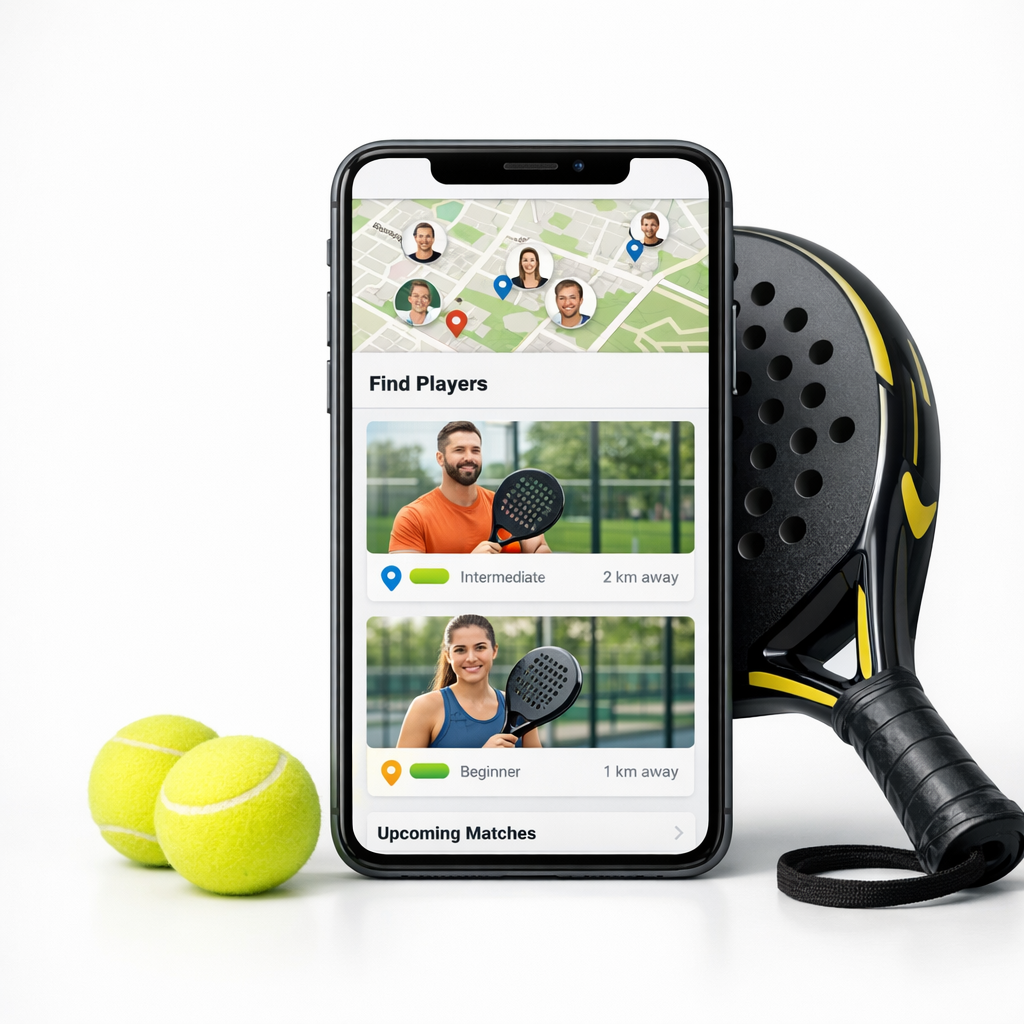
RacketPal App
Trusted reso urcesHelpful external resources related to this topic.British Padel — associationPadel Magazine — mediaSport England — government agency You might also like: How to Store Padel Balls So They Last Longer.
You might also like: How to Store Padel Balls So They Last Longer.